Custom Application-Specific Mats Built Around Your Specification
When a standard mat format does not fit the product or end use, Ninghow Mats develops custom application-specific mats from a technical brief. We are Ninghow’s specialized custom mat division, supplying made-to-specification products for engineers, product developers, brands and procurement teams.
When to Choose a Specification-Led Mat
An application-specific mat is suitable when the design is controlled by a unique combination of fit, structure, surface, printed information and end-use requirements. Instead of adapting the project to an existing format, the mat is developed around the required dimensions, thickness, materials and finished shape.
This route may be appropriate when the mat needs to:
If your requirement fits an established product family, review our custom mat products . If the product cannot be defined through a standard category, send the complete application brief for a manufacturing review.
Fit around equipment, controls, housings or defined work areas.
Use a surface, cushioning layer and base with different functions.
Include openings, cut-outs, non-standard corners or an irregular outline.
Carry instructions, diagrams, alignment marks or functional zones.
Match a buyer-defined thickness, softness or surface requirement.
Use a specific edge treatment or packaging format.
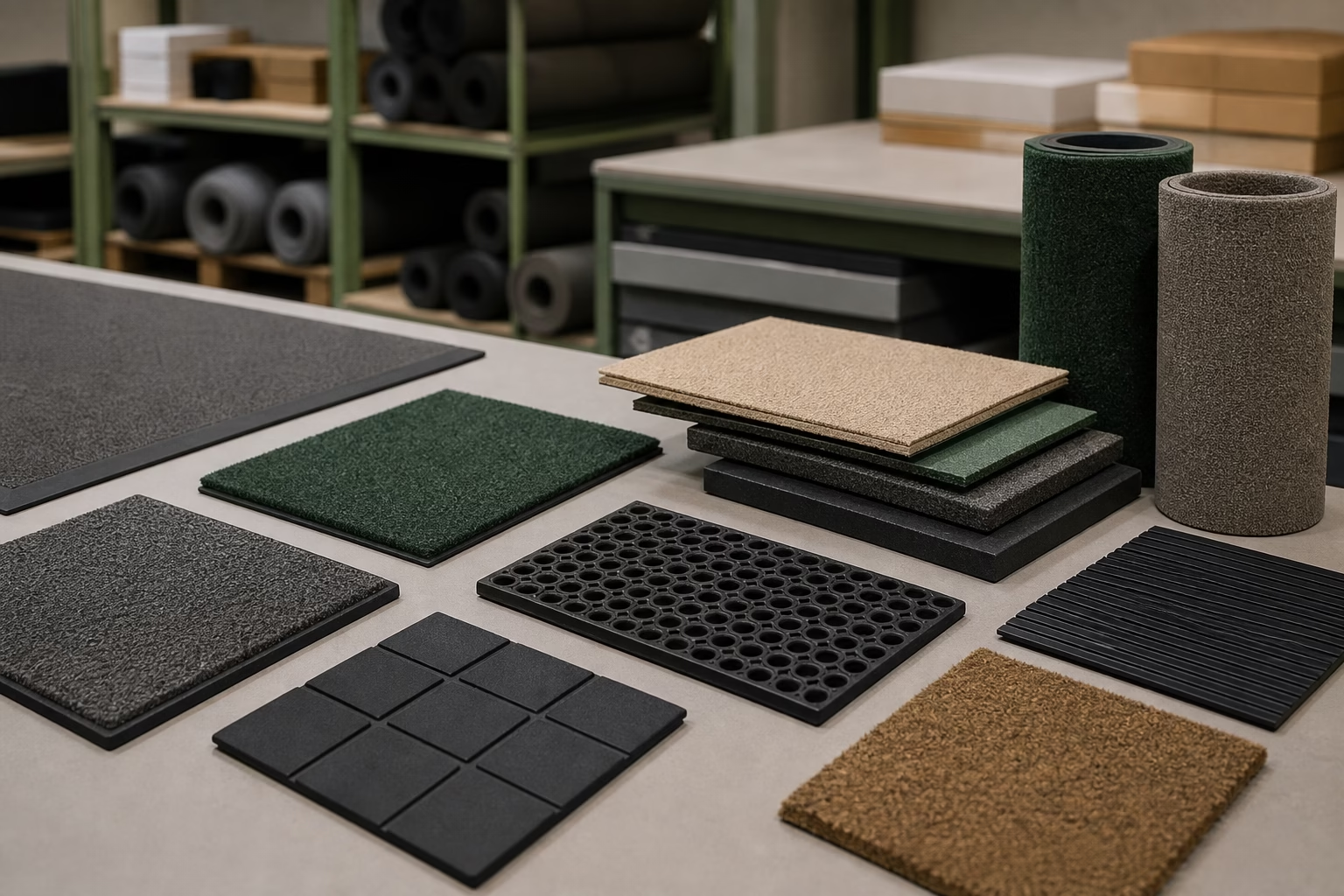
Our supported options include natural rubber, PORON and microcellular PU foam, silicone, EVA foam and PVC anti-slip materials. We can combine material preparation, lamination, digital printing, heat-transfer processing, cutting, shaping, edge finishing, inspection and packaging according to the project requirements.
Send us your drawing, dimensions, target thickness, intended use or initial material concept. Our team can review the application and identify which specification points must be confirmed before sample development.
Turn the End Use into a Practical Mat Specification
A useful development brief describes what the mat must do, where it will be used and how it must fit. It does not need to contain every final production decision. Ninghow Mats can support application analysis, material and structure selection, custom size and shape development, surface-to-base matching and artwork review.
End Use
Information to provide: Describe the product, contact surface, working area and expected use.
Why it affects development: The application guides the material, structure and finishing review.
Dimensions
Information to provide: Provide length, width, diameter or a dimensioned drawing.
Why it affects development: Dimensions affect material planning, print layout and the cutting route.
Thickness and Softness
Information to provide: State the target or describe the required feel and support role.
Why it affects development: These requirements influence material and layered-structure selection.
Finished Shape
Information to provide: Show the outline, corners, openings, slots and cut-outs.
Why it affects development: Geometry must be reviewed against the material and conversion process.
Surface
Information to provide: Define the required contact, visual or printed surface.
Why it affects development: The surface may control printing, appearance and interaction with the end use.
Base
Information to provide: Describe the supporting surface and the required stability or anti-slip role.
Why it affects development: The base must be matched with the application and other material layers.
Layer Structure
Information to provide: Provide a layer diagram or identify the role of each layer.
Why it affects development: Lamination and total construction must be considered as one product system.
Printing
Information to provide: Supply logos, instructions, diagrams, zones and placement requirements.
Why it affects development: Artwork must align with the final shape, cutting lines and edges.
Edge Treatment
Information to provide: State whether the design requires a cut edge or stitched-edge finish.
Why it affects development: The suitable finish depends on the material, geometry and appearance requirement.
Order and Packaging
Information to provide: Provide the expected quantity and packaging needs.
Why it affects development: These details support production, packing and project-condition review.
The following inputs give our team a clear starting point:
You can also use the custom mat design and specification guide to prepare dimensions, surfaces, bases, edges and artwork before submitting your enquiry.
Plan the Surface, Cushioning Layer and Base as One Structure
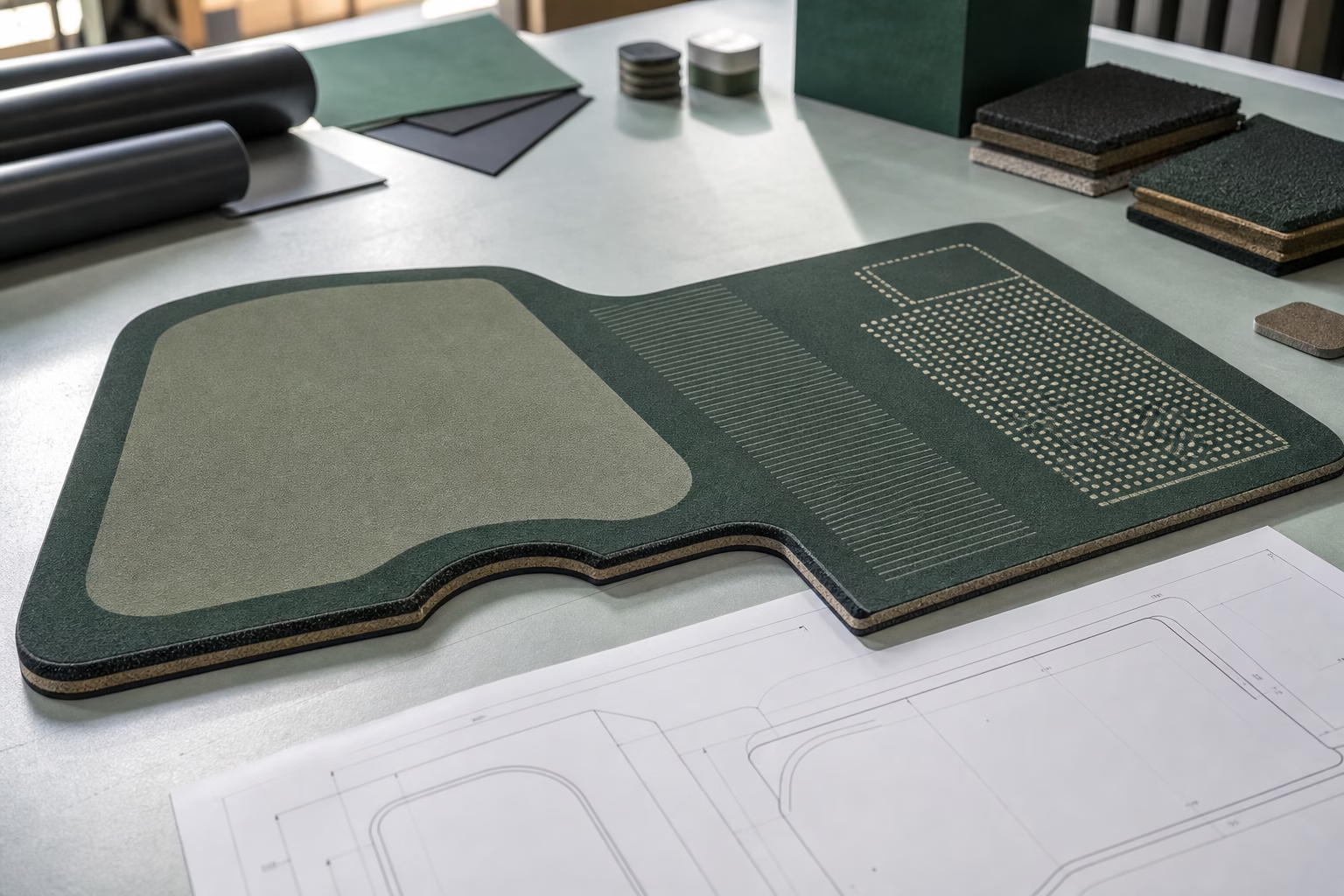
A specialized mat may use one material or a laminated construction. In a layered product, the surface, internal layer and base can serve different purposes. Defining the role of each layer before selecting the final material helps prevent conflicts between appearance, softness, stability, printing and finished thickness.
Surface Layer
The surface is the part that interacts with the user, component or application. It may also carry printed graphics, operating instructions or alignment marks. Its material and finish must be considered together with artwork, lamination and cutting.
Cushioning or Support Layer
An internal layer can contribute softness, cushioning, support or surface stability. Ninghow Mats processes natural rubber and PORON or microcellular PU foam structures for these roles. The final construction depends on the required feel, thickness and relationship between the surface and base.
Base Layer
The base connects the mat to the supporting surface. Natural rubber bases can be used for anti-slip, cushioning and support applications. Silicone provides a flexible anti-slip material route, while PVC anti-slip materials can be considered for suitable projects. The application and sample must be reviewed before the final base is approved.
EVA foam and PVC also provide lightweight and cost-oriented routes for selected consumer, promotional and general-purpose constructions. For a detailed comparison of the supported material families, visit custom mats by material .
Define Custom Shapes, Openings and Edge Details
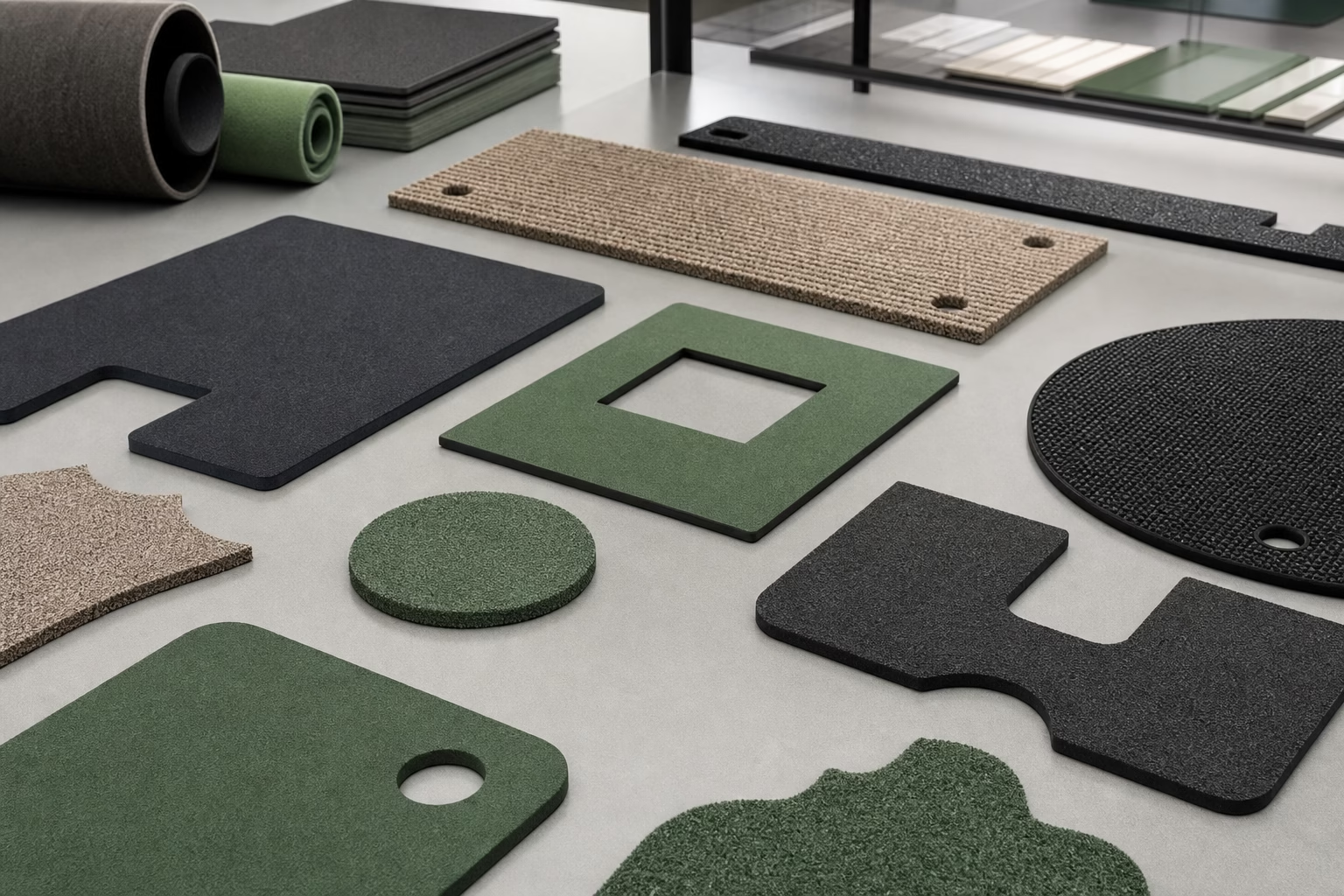
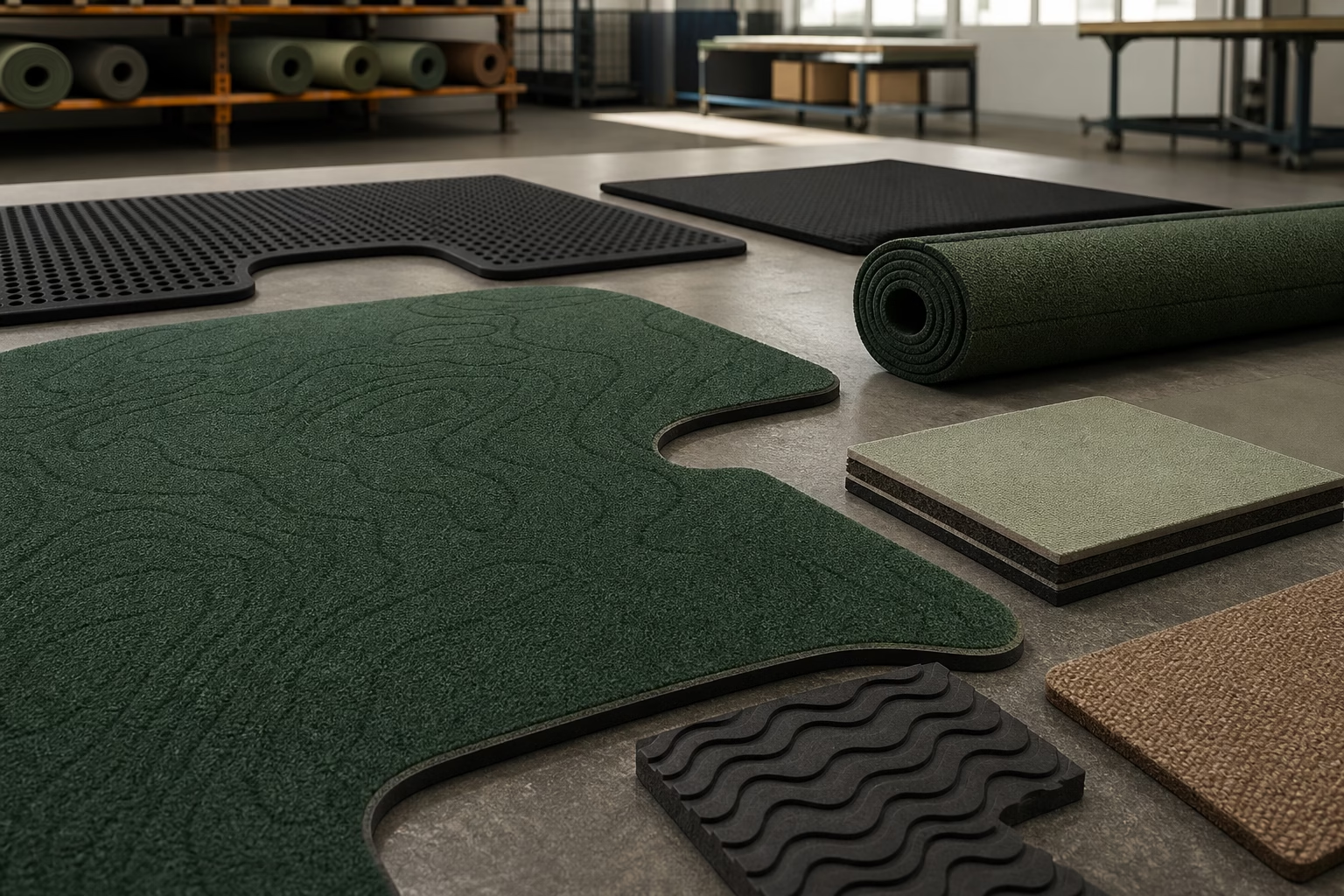
A dimensioned drawing is the clearest way to communicate how a mat must fit around a product, work area or piece of equipment. The drawing should identify the overall size, reference points, radii, corners, openings, slots, internal cut-outs and any edge features that affect fit.
Ninghow Mats supports laser cutting, die cutting and custom shaping. Stitched-edge finishing is also available for suitable constructions. The selected route depends on the material, geometry, edge requirement and planned production method.
For manufacturing review, include:
Do not rely only on a visual rendering when fit is important. A rendering can show the intended appearance, but a dimensioned technical file is needed to assess the finished shape.
Overall dimensions and the units used in the drawing.
Locations and dimensions of openings, slots and cut-outs.
Corner shapes, curves and critical reference points.
Orientation of the top surface and base.
Print boundaries and artwork alignment points.
The required edge appearance or stitched-edge expectation.
Any buyer-defined fit or dimensional acceptance criteria.
Integrate Functional Printing with the Finished Shape
Printing on an application-specific mat may be decorative, instructional or directly connected to how the product is used. Ninghow Mats supports digital printing, heat-transfer processing, artwork review and print development for suitable mat constructions.
Functional artwork can include logos, instructions, alignment marks, work zones, diagrams or product-reference information. These elements must be positioned in relation to the final dimensions and conversion lines. A design that looks correct on a rectangular artwork file may change when the mat includes curved edges, openings or stitched borders.
Artwork planning should establish:
When print quality or color consistency is important, define the approval standard before sample development. More information about artwork preparation and production routes is available through our custom mat printing and branding service .
The purpose of each printed element.
The finished print area and orientation.
The relationship between graphics and cut lines.
Required clear space around openings and edges.
Critical alignment points or printed zones.
Buyer-supplied color references and review criteria.
Move from an OEM or ODM Brief to an Approved Sample
You can approach Ninghow Mats with a fixed specification or an application that still requires material and structure decisions. Our OEM and ODM support covers application analysis, material selection, custom dimensions, thickness and shape development, surface and base matching, artwork review, sample development, project management and bulk order coordination.
Application Review
We review the end use, fit, surface, base and structural requirements.
Material and Construction Planning
The proposed materials and layer roles are matched to the specification.
Drawing and Artwork Review
Dimensions, cut-outs, print placement and edge details are checked together.
Specification Confirmation
The agreed product details are recorded before sample preparation begins.
A sample is prepared after the specifications, materials and artwork are confirmed.
Approval and Production Planning
Bulk production is coordinated after sample approval and order confirmation.
Some buyers provide all technical decisions at the start. Others define the application and ask our team to recommend a practical structure. The OEM and ODM mat development service explains how these two project routes are managed.
Set Feasibility and Quality Criteria Before Production
Manufacturing feasibility is reviewed across the complete construction rather than one feature at a time. Material choice can affect lamination, printing, cutting and edge finishing. Shape can affect artwork placement. Total thickness can affect how the layers and edges are processed.
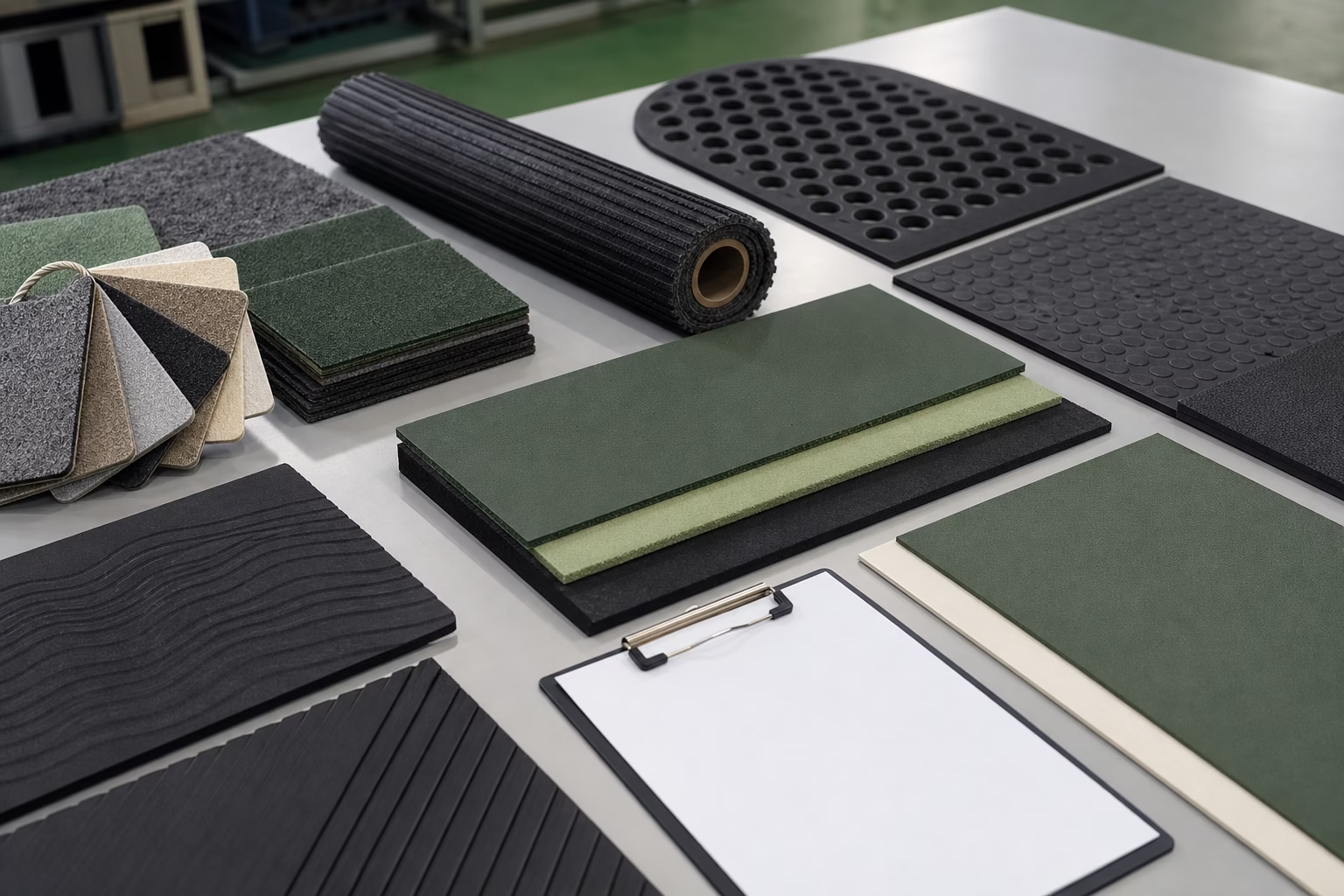
Relevant quality checkpoints may cover incoming materials, dimensions, thickness, appearance, printing, color consistency, cutting, edge stitching, lamination, finished products and packaging. The checkpoints used for a project should reflect the characteristics defined in the approved specification and sample.
For a specialized design, establish acceptance criteria for the features that matter to the application. These may include:
Quality and compliance resources include ISO9001, RoHS and REACH documentation. Their relevance must be reviewed for the selected material, finished construction and buyer-defined market requirements. A document available for one material or project should not be treated as automatic confirmation for every custom design.
Material and layer identification.
Overall dimensions, thickness and shape.
Placement of openings and cut-outs.
Lamination and finished-edge appearance.
Print position, appearance and color consistency.
Finished-product presentation and packaging.
Questions About Specialized Mat Development
Start with the end use, dimensions, target thickness, finished shape, surface and base requirements. Add a layer diagram, artwork, edge details, expected quantity, packaging needs and any buyer-defined test or compliance requirements. Material samples and finished-edge references are also useful when the required feel or appearance is difficult to describe in writing.
Yes. Our team supports application analysis, material and structure selection, surface-to-base matching and custom size, thickness and shape development. Provide the intended use and the requirements that are already fixed. We can then review which remaining decisions need to be confirmed through technical discussion or sample evaluation.
Each layer is considered according to its role in the complete mat. The surface may control contact and printed presentation, an internal layer may provide cushioning or support, and the base may contribute stability or anti-slip behavior. Material compatibility, lamination, thickness, cutting and the finished edge are reviewed together before the construction is confirmed.
Include overall dimensions, units, reference points, opening locations, cut-out sizes, corner geometry, radii and orientation. Mark critical dimensions and show how printed elements relate to the finished shape. If fit is controlled by another component, identify the relevant contact or alignment points.
Sample preparation begins after the specifications, materials and artwork are confirmed. Bulk production planning follows sample approval and order confirmation. Final order conditions and timing depend on the product, material, size, construction, quantity and customization requirements, so they are confirmed through the project review rather than applied as a general promise.
Submit Your Technical Brief for Manufacturing Review
Send the clearest available record of the proposed mat. This may include a dimensioned drawing, material reference, layer diagram, print-placement file or image showing the required edge. If some decisions are still open, identify which requirements are fixed and where you need a material or construction recommendation.
Your submission should cover the end use, dimensions, thickness, shape, surface, base, layer structure, artwork, edge treatment, expected quantity and packaging. Include any restricted materials and buyer-defined testing or documentation requirements that may affect the design.
We will use this information to review the construction, relevant production processes and the details needed for sample development and a project-specific quotation.