Custom Mat Manufacturer for OEM, Private Label and Bulk Programs
Ninghow Mats is Ninghow’s specialized custom mat division. We manufacture consumer, commercial, promotional and application-specific mats for global brands, importers, distributors, private label businesses and B2B sourcing teams.
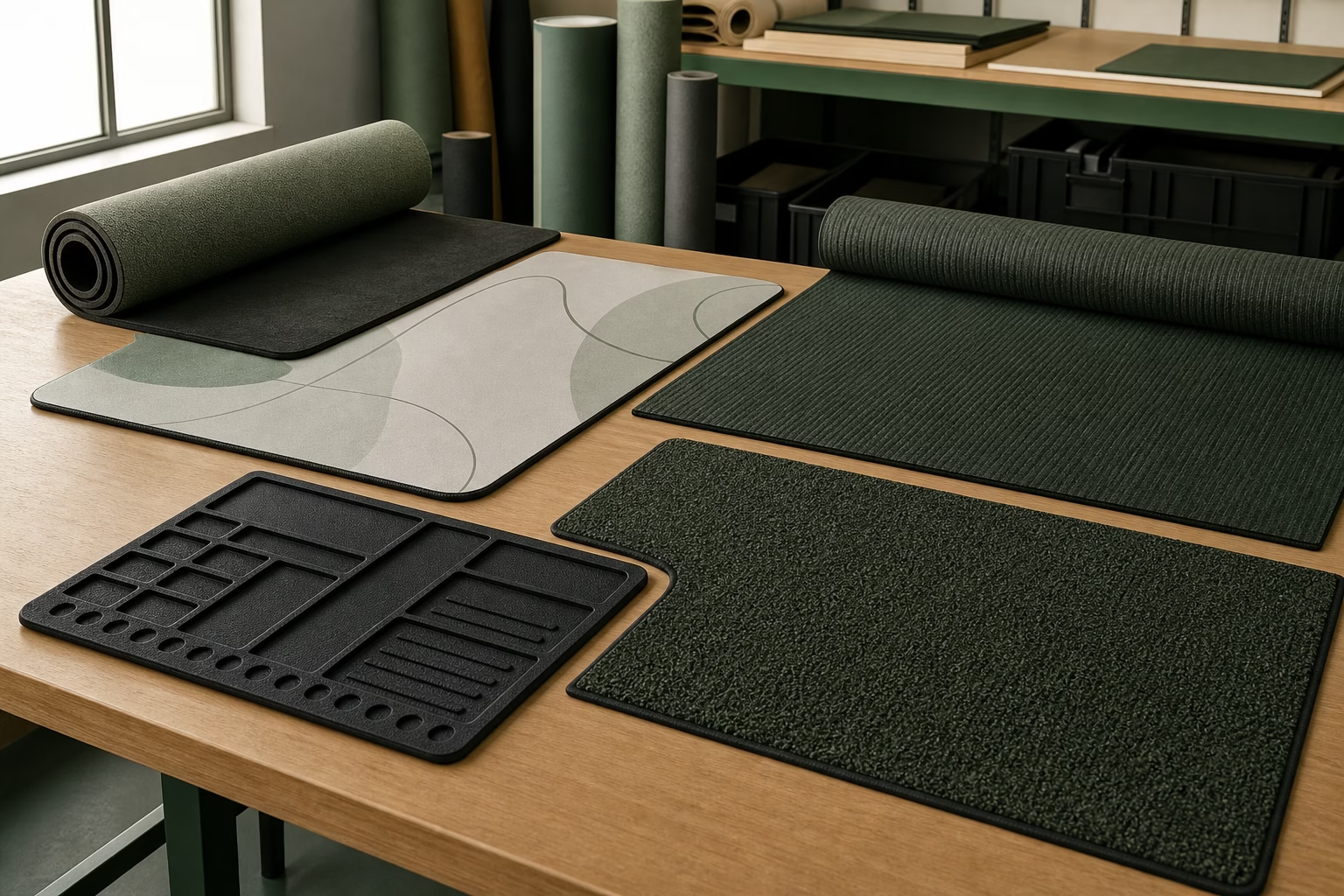
Manufacturing Scale
Manufacturing Capacity at a Glance
Ninghow Mats is supported by wider manufacturing experience dating to 1988, an approximately 18,000 m² facility and eight production lines. Monthly capacity is approximately 80,000–200,000 pieces and varies by product size, material, construction and order mix.
Made-To-Specification Mats for B2B Product Programs
Ninghow Mats supplies custom mats for branded product ranges, retail programs, promotional campaigns, commercial use and specialized applications. Buyers can start with an existing mat format or provide a new requirement based on the intended use.
Manufacture based on confirmed product specifications, materials, artwork and packaging requirements.
Support for turning an end-use brief into a defined mat structure, size, thickness, softness and finish.
Product customization combined with branding, labels and retail or shipping packaging.
Sample development, approved production specifications and coordination for ongoing order programs.
Choose the Mat Family That Fits Your Product
Our product range covers mats for computing accessories, exercise and fitness, tools and maintenance, commercial counters, promotional programs and specialized uses. The following routes provide a practical starting point without requiring you to select a material first.
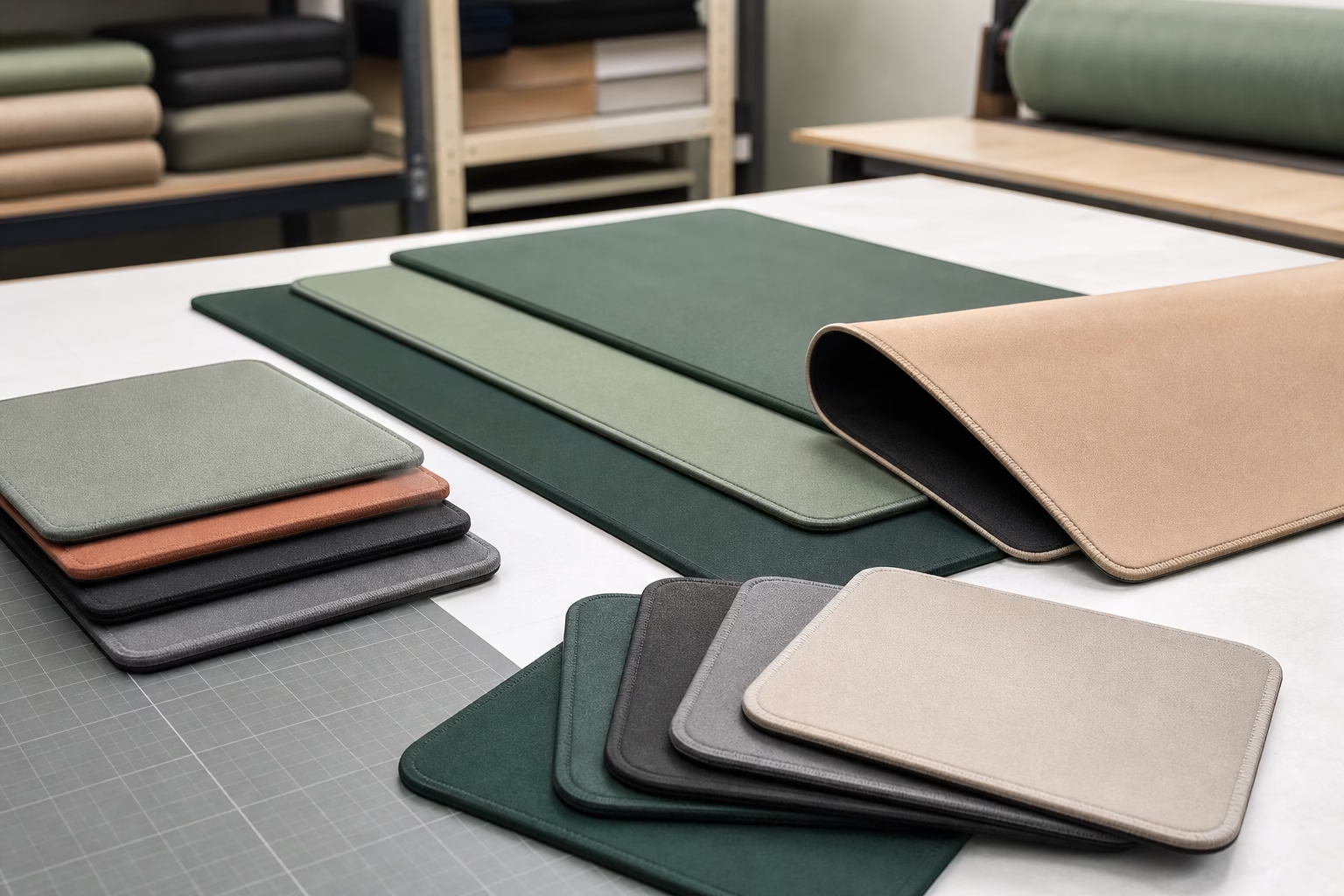
Typical product scope: Standard, gaming, extended, ergonomic and wrist-support formats
Best starting point: Computer accessory and branded desktop programs
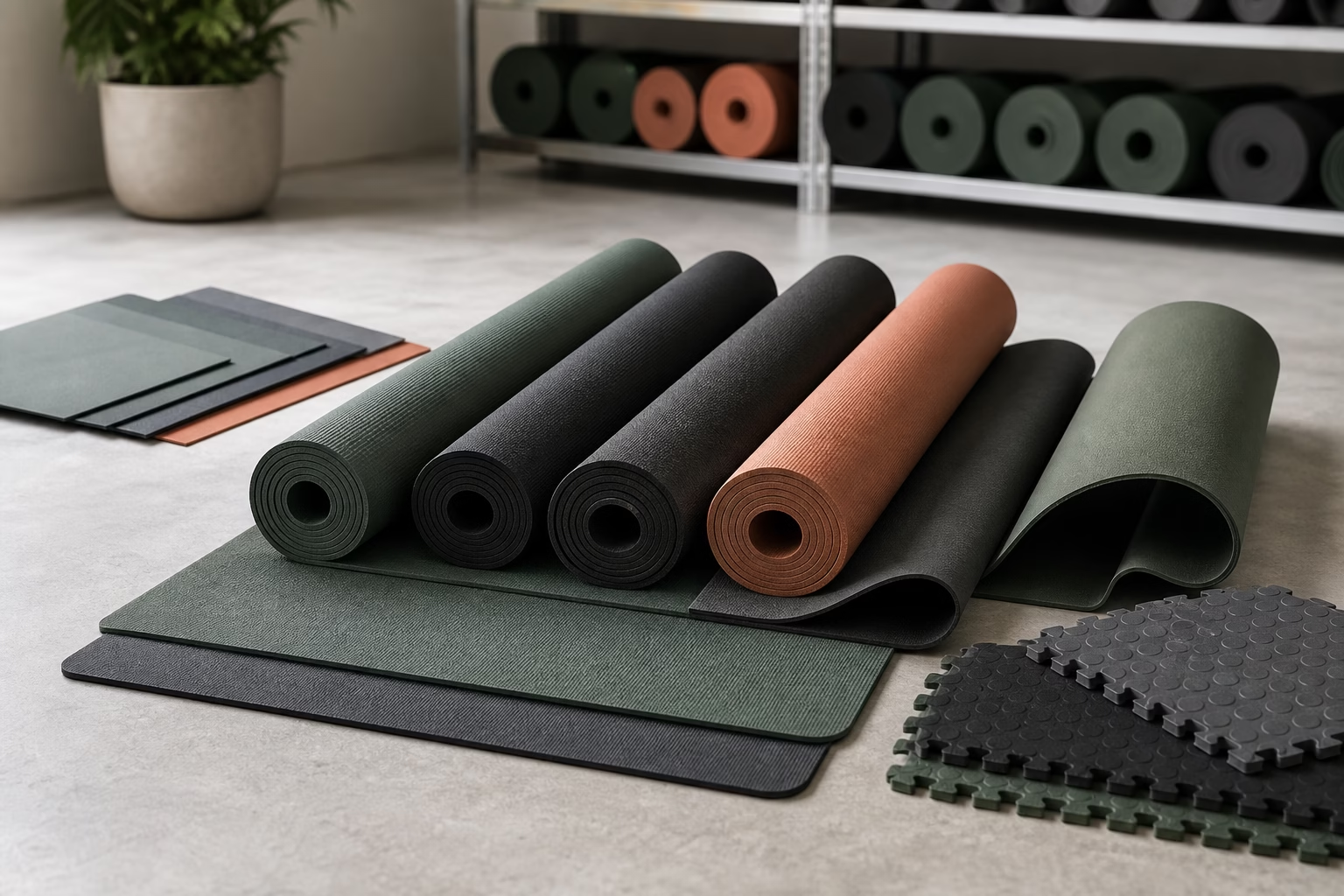
Typical product scope: Yoga, exercise, Pilates, stretching and fitness training mats
Best starting point: Fitness brands, retail ranges and training products
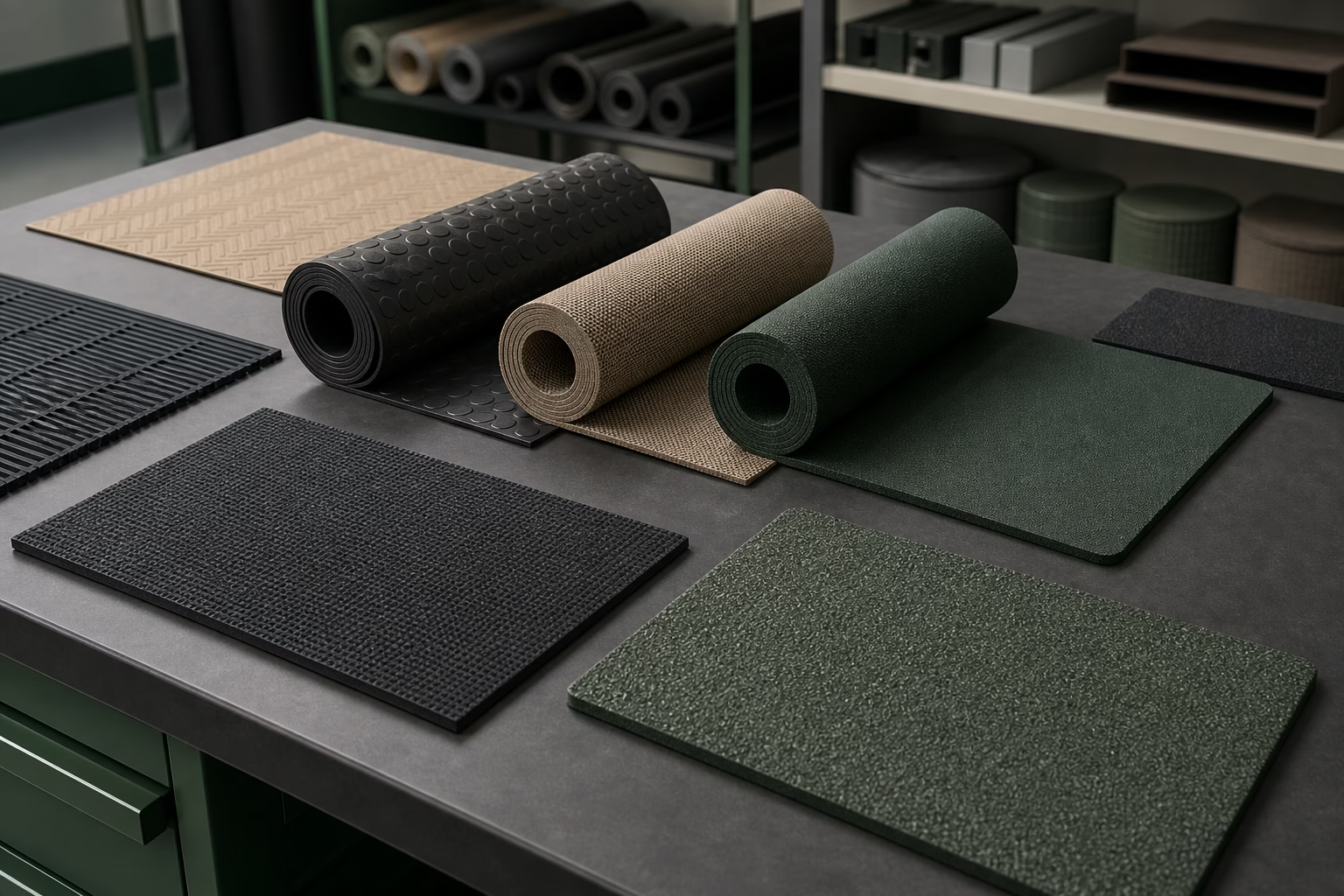
Typical product scope: Tool, magnetic, workbench, maintenance and assembly mats
Best starting point: Tool organization and work-surface applications
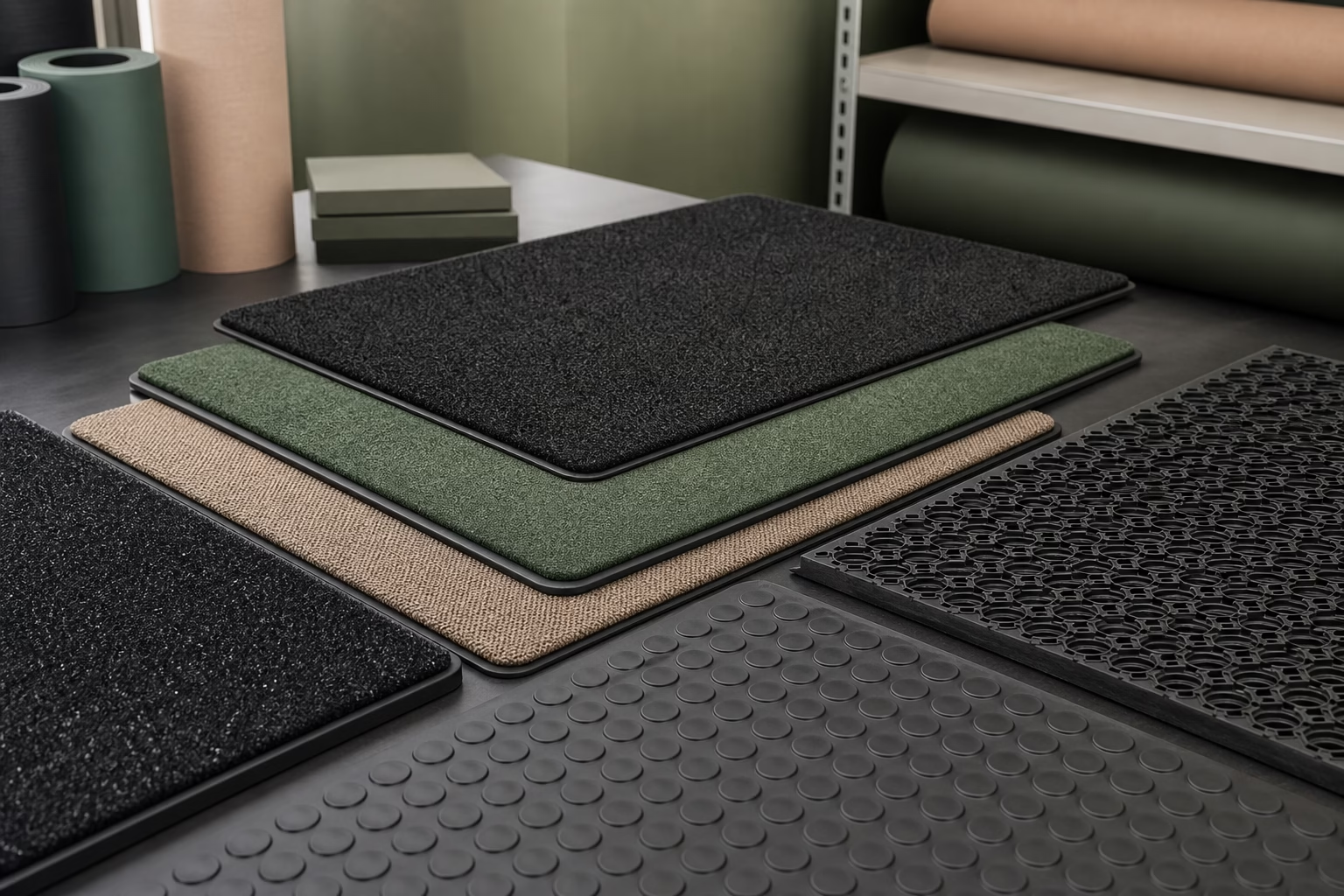
Typical product scope: Counter, point-of-sale, bar and service mats
Best starting point: Branded commercial and service environments
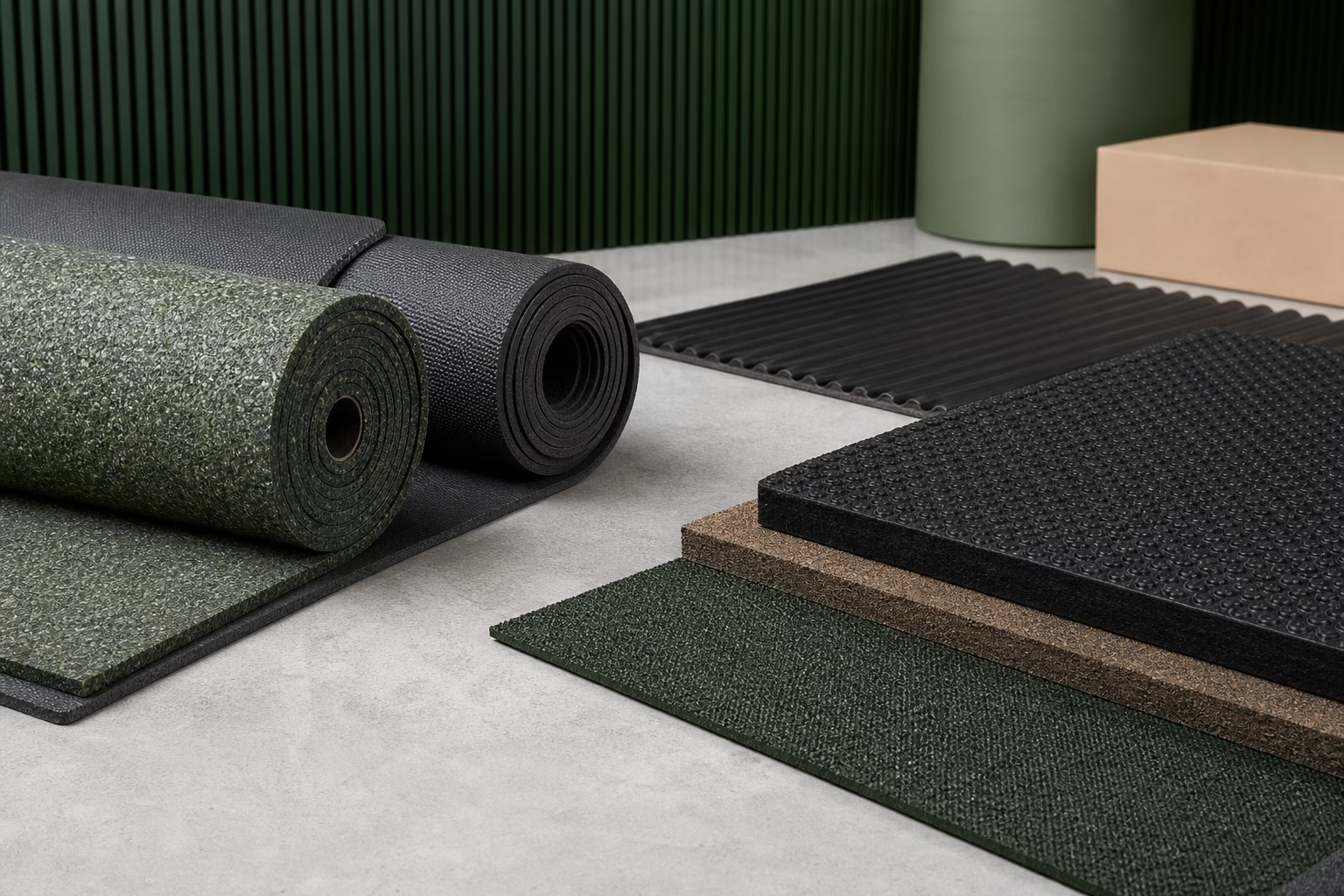
Typical product scope: Printed mats, advertising products and corporate merchandise
Best starting point: Campaign, merchandise and distributor programs
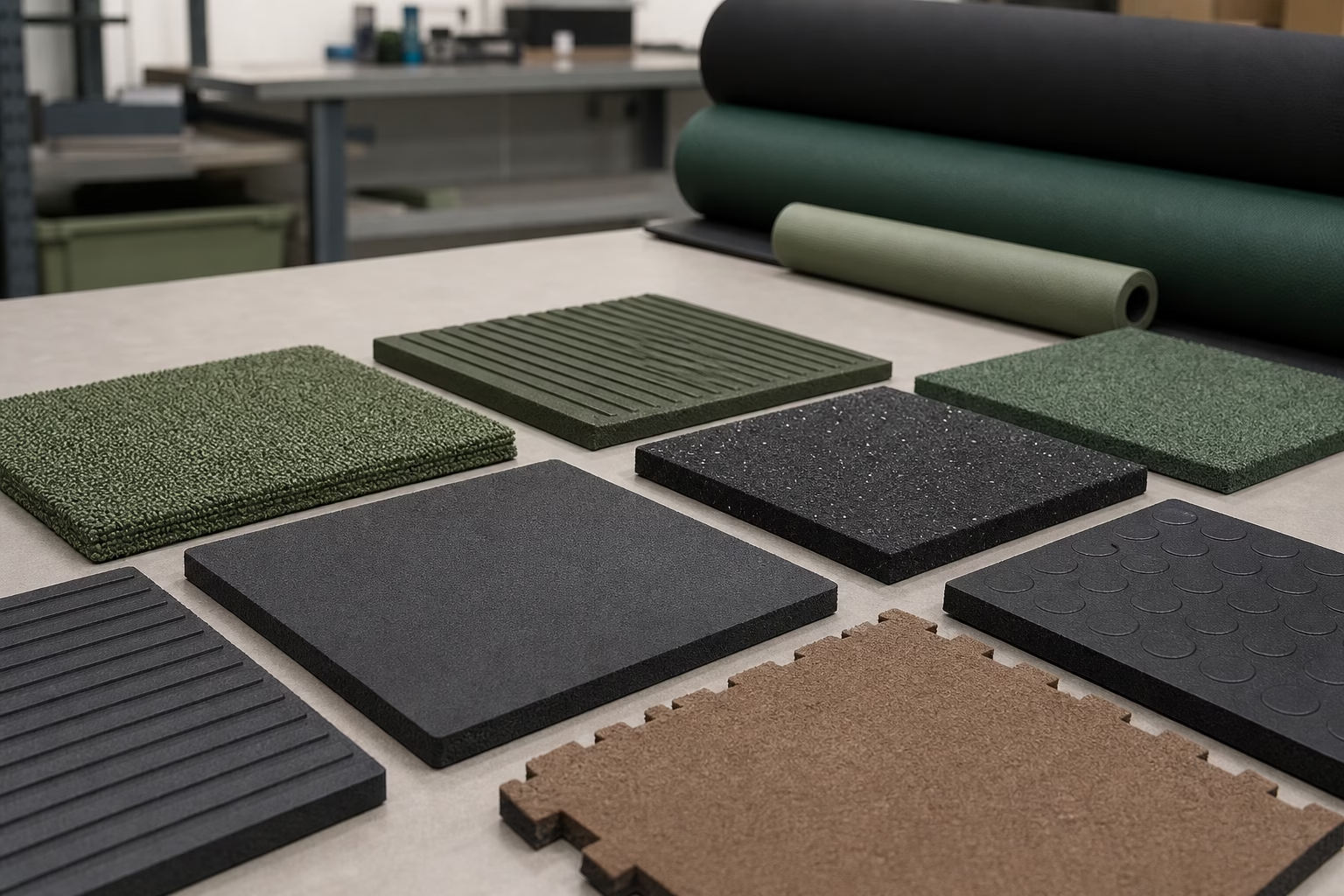
Typical product scope: Mats defined by unique dimensions, materials, surfaces or structures
Best starting point: Projects that do not fit a standard product category
Start with the Application or Required Performance
A product name does not always define the right mat construction. Some projects begin with a performance need, such as anti-slip support, controlled cushioning, surface stability or work-surface protection. Other projects are defined by the equipment, work area or accessory range in which the mat will be used.
For application-led development, buyers can review paths for computer peripheral accessories , automotive accessory programs and industrial equipment applications .
For application-led development, buyers can review paths for computer peripheral accessories , automotive accessory programs and industrial equipment applications .
For application-led development, buyers can review paths for computer peripheral accessories , automotive accessory programs and industrial equipment applications .
If the project is defined by grip, support, stability or protection rather than a named product, review our custom mat performance solutions .
OEM, ODM and Private Label Development Options
Our development support can begin with a drawing, reference sample, artwork file or written application brief. The required path depends on how much of the product has already been defined.
For ODM and application-specific projects, our team reviews the intended use and helps define the material combination, surface and base, dimensions, thickness, softness, shape and edge construction. The result must be confirmed through specification and sample review before bulk production.
For OEM projects, we work from confirmed requirements covering product construction, dimensions, materials, artwork and packaging. Production preparation begins after the relevant inputs are reviewed and the sample is approved.
Private label support combines product customization with brand presentation. Available services include artwork and printing development, branding customization, labels and customized private label, retail or shipping packaging according to project requirements.
Materials, Printing and Construction Processes
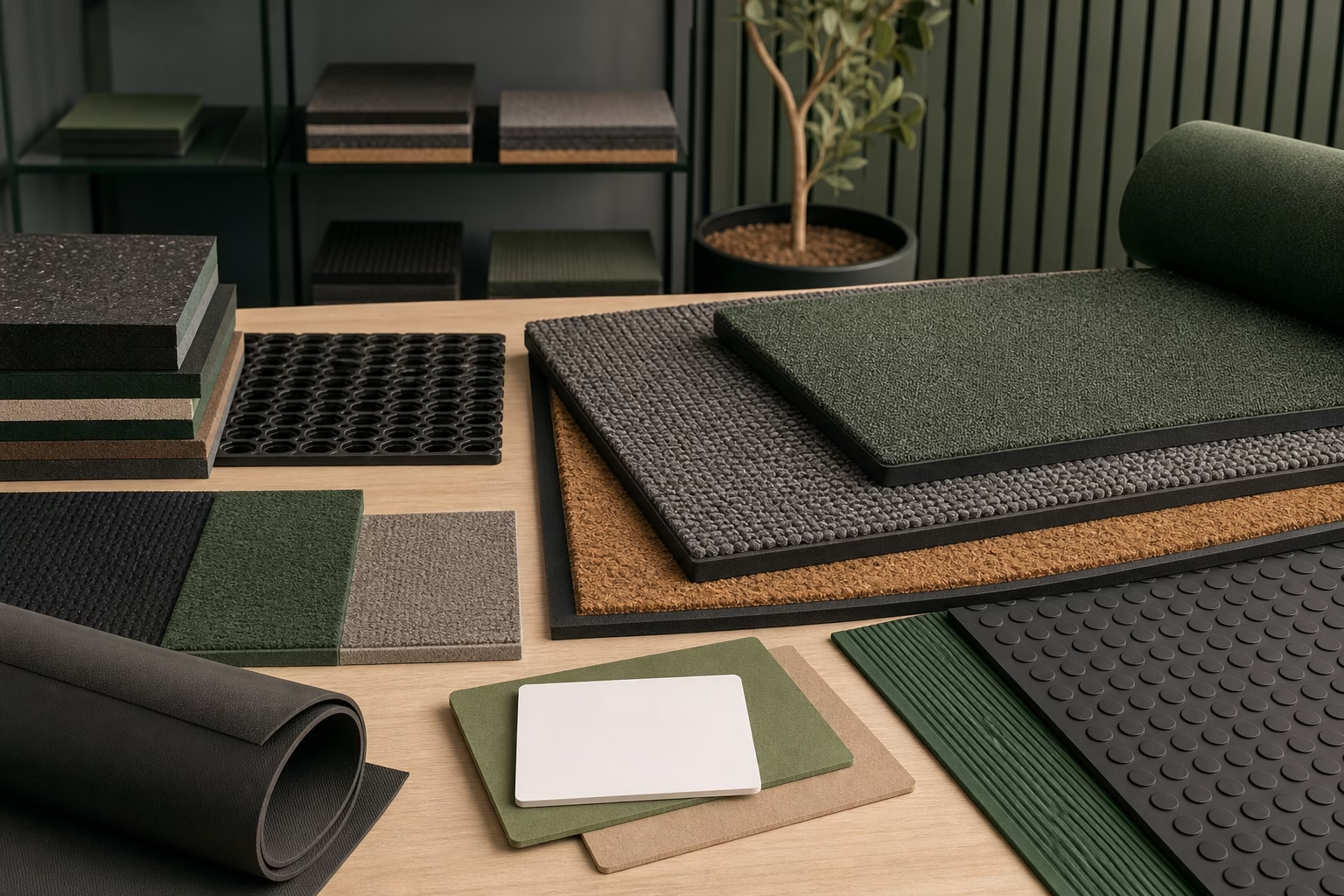
Ninghow Mats processes natural rubber, PORON and microcellular PU foam, silicone, EVA foam and PVC anti-slip materials. These materials can serve different roles within a mat, including the printed surface, cushioning or support layer, and anti-slip base.
Used for mat bases where anti-slip support, cushioning or support is required.
Used in structures requiring controlled softness, support and surface stability.
Used for flexible and anti-slip mat structures in ergonomic, consumer, commercial and specialized applications.
Used for lightweight and cost-oriented promotional, consumer and general-purpose mat projects.
Manufacturing Evidence for Supplier Qualification
Ninghow’s manufacturing operations were established in October 1988. Ninghow Mats operates as the specialized vertical business for custom mouse pads, gaming mats, yoga and fitness mats, tool and work mats, promotional mats and other application-specific mat products. This history relates to the wider manufacturing operation and does not mean that every current mat format has been produced since that date.
The mat business is supported by an approximately 18,000 m² manufacturing facility, eight production lines and a workforce of approximately 100–200 people. These resources support product development, production coordination, inspection, packaging and bulk order programs.
Named Production Equipment
Eight wide-format high-precision digital printing machines.
Two industrial continuous roller heat-transfer machines.
Four high-speed high-frequency laser cutting machines.
Twenty-five to thirty-five automatic computerized edge-stitching machines.
Two pneumatic four-column die-cutting machines.
This combination supports the connected production steps required for printed and converted mat products, from material preparation and lamination through cutting, edge finishing and packaging. Buyers can assess each production area in more detail through our capability review .
Quality control covers incoming materials, dimensions, thickness, appearance, printing, color consistency, cutting, edge stitching, lamination, finished products and packaging. Checking these stages helps identify material, construction, print and packing issues before order completion.
Available quality and compliance resources include ISO9001, RoHS and REACH test reports. Colorimeters are used for color-difference measurement with a Delta E <1.5 color-control target. This is a control target rather than a universal result or product guarantee. Project-specific quality and compliance requirements should be reviewed before production.
See mat quality control and color consistency for the inspection scope and available documentation.
From Sample Approval to Bulk Production
A custom mat project moves forward through confirmed inputs and approval gates. Specifications, materials and artwork must first be agreed so the sample represents the intended production construction.
Confirm the product format, structure, material direction and customization needs.
Review dimensions, print files, shape, edges and other relevant details.
Samples are typically developed in 3–5 days after specifications, materials and artwork are confirmed.
The buyer evaluates the agreed product and presentation requirements before bulk production.
Production is typically 12–18 days after sample approval and order confirmation. Final timing depends on product specifications, quantity and customization requirements.
Finished products and packaging are checked against the confirmed order requirements.
Prepare the Right Information Before Supplier Review
A clear development brief allows the manufacturing team to assess material fit, production steps and quotation inputs more efficiently. Buyers who are still defining the product can use our custom mat resources to prepare the main decisions.
Use the material selection guide to compare natural rubber, PORON and PU foam, silicone, EVA foam and PVC.
Use the design and specification guide to define size, thickness, softness, surfaces, bases, edges and artwork.
Review the custom mat product catalog for an overview of product families and construction routes.
Check the manufacturing FAQ for common questions about materials, samples, production, packaging and shipment support.
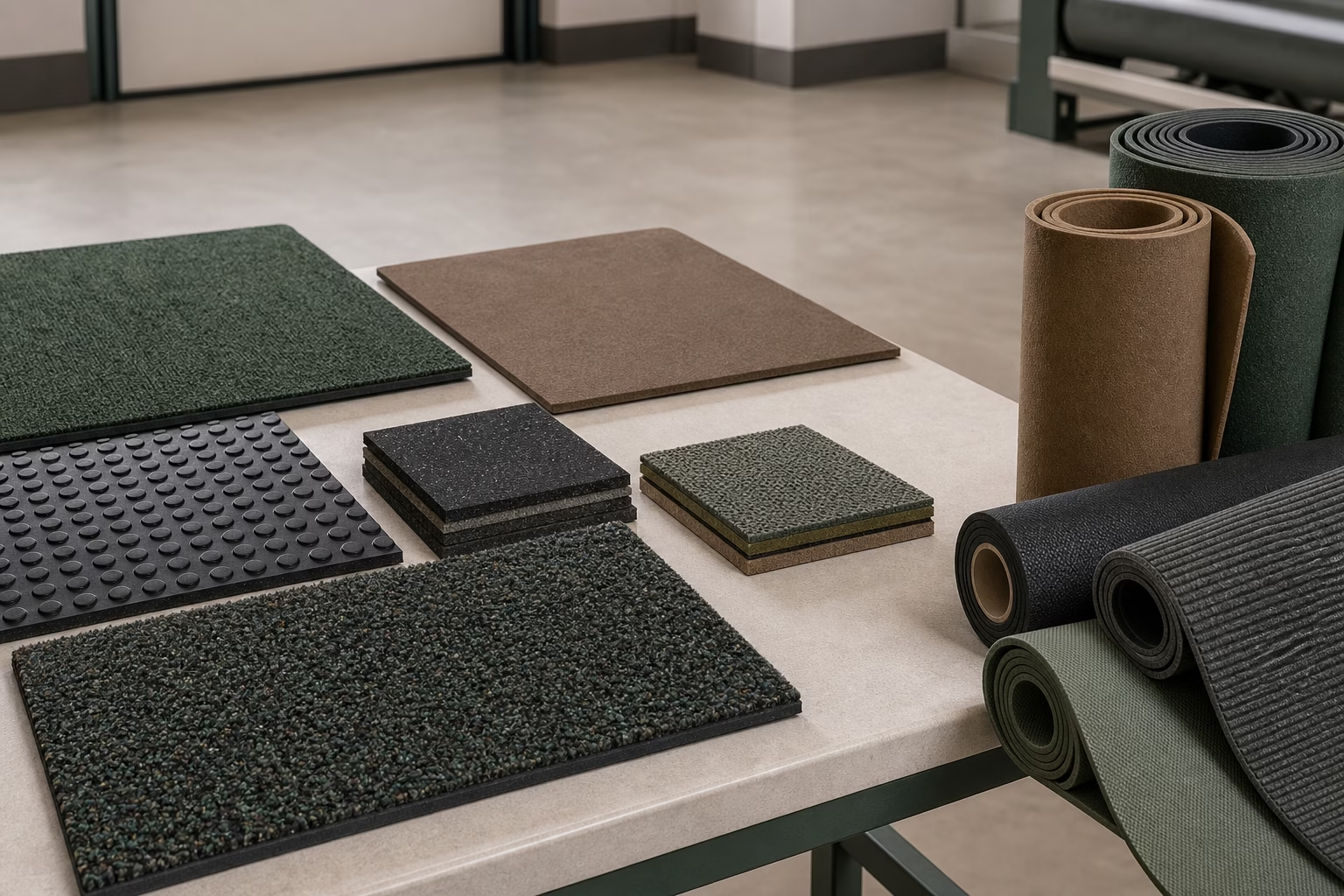
Review Ninghow Mats or Submit a Qualified Enquiry
Procurement teams can learn more about the specialized mat division, manufacturing background, global B2B focus and project support on the About Ninghow Mats page.
When you are ready for project review, include the product type, dimensions, material preferences, layered construction, artwork, expected quantity, packaging needs and shipment destination. These inputs help our team determine which production route and commercial details require confirmation.
Prices, schedules, payment terms, trade terms and shipment arrangements are confirmed only after the project requirements have been reviewed.
FAQ
Frequently Asked Questions
We manufacture mouse pads and desk mats, gaming mats, ergonomic mouse pads, yoga and fitness mats, exercise and Pilates mats, tool and work mats, magnetic tool mats, workbench mats, counter and service mats, promotional mats and application-specific products. The final range available for a project depends on its material, structure and customization requirements.
Yes. OEM support covers production from confirmed specifications, materials and artwork. ODM support includes application analysis, material and structure selection, custom sizing, thickness, softness and shape development. Private label support can include branding, labels and customized packaging.
Supported materials include natural rubber, PORON and microcellular PU foam, silicone, EVA foam and PVC anti-slip materials. Production processes include material preparation, lamination, digital printing, heat transfer, laser cutting, die cutting, custom shaping and stitched-edge finishing.
Sample development starts after the specifications, materials and artwork are confirmed. The typical development time is 3–5 days from that confirmation point. The sample is then reviewed as the approval gate before bulk production.
Minimum order requirements depend on the product, material, size and customization needs. Bulk production timing is affected by the product specification, quantity and construction. Production is typically 12–18 days after sample approval and order confirmation, but final timing is confirmed for the specific project.
Provide the mat type, intended use, dimensions, material preferences, thickness or softness requirements, surface and base construction, artwork, quantity, packaging needs and destination. If some details are not yet defined, describe the application and the decisions for which you need recommendations.
Discuss Your Custom Mat Project
Send your specifications, artwork or application brief for a project-specific review. Our team can assess the required development, material, printing, finishing, sampling and packaging route before commercial terms are confirmed.