Custom PORON Foam Mats Built Around Your Product Specification
Ninghow Mats is a B2B supplier of custom PORON and microcellular PU foam mats for performance product development. We work with brands, product developers, importers and distributors that need a mat structure designed around specific softness, support and surface-stability requirements.
How PORON and Microcellular PU Foam Work Within a Mat
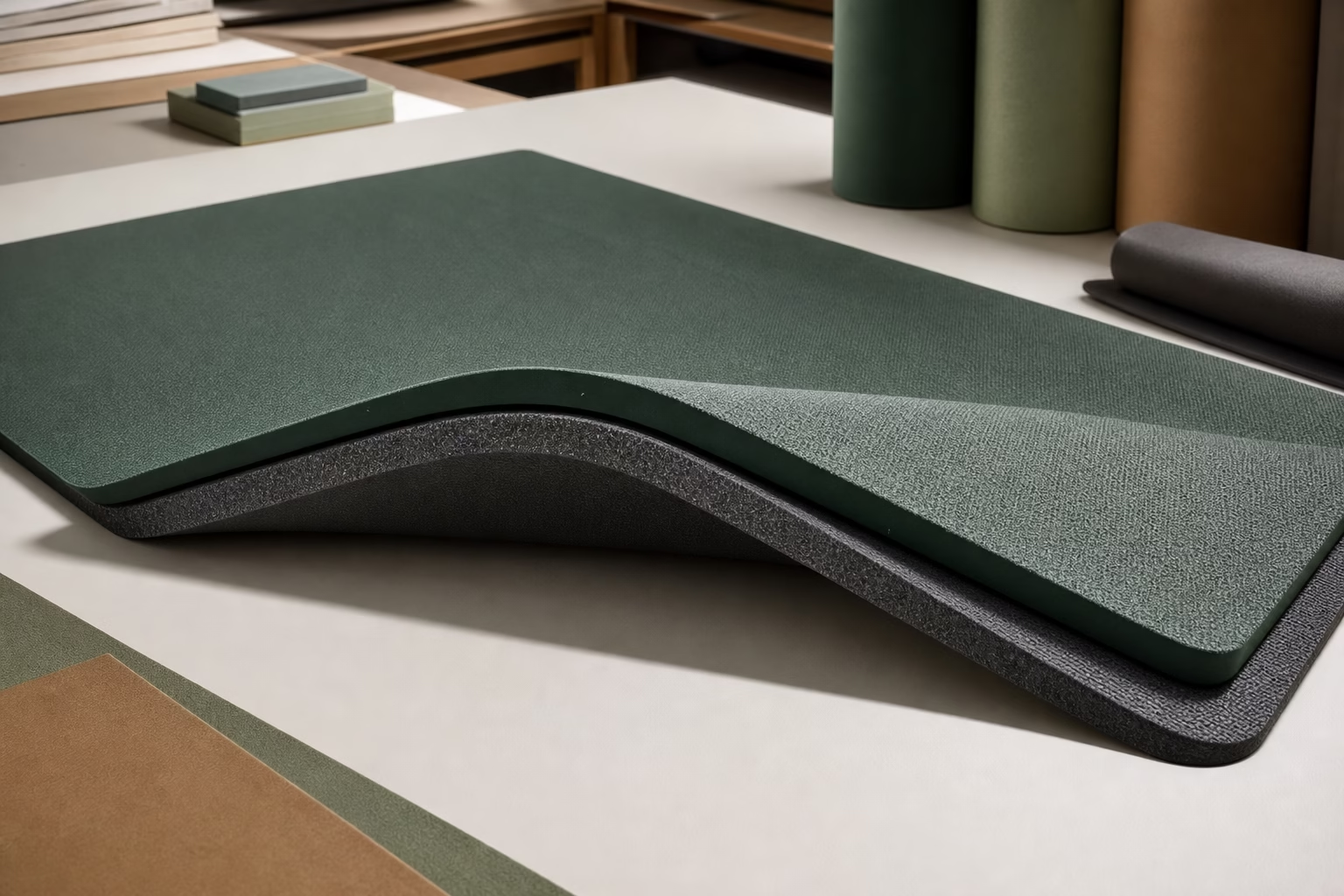
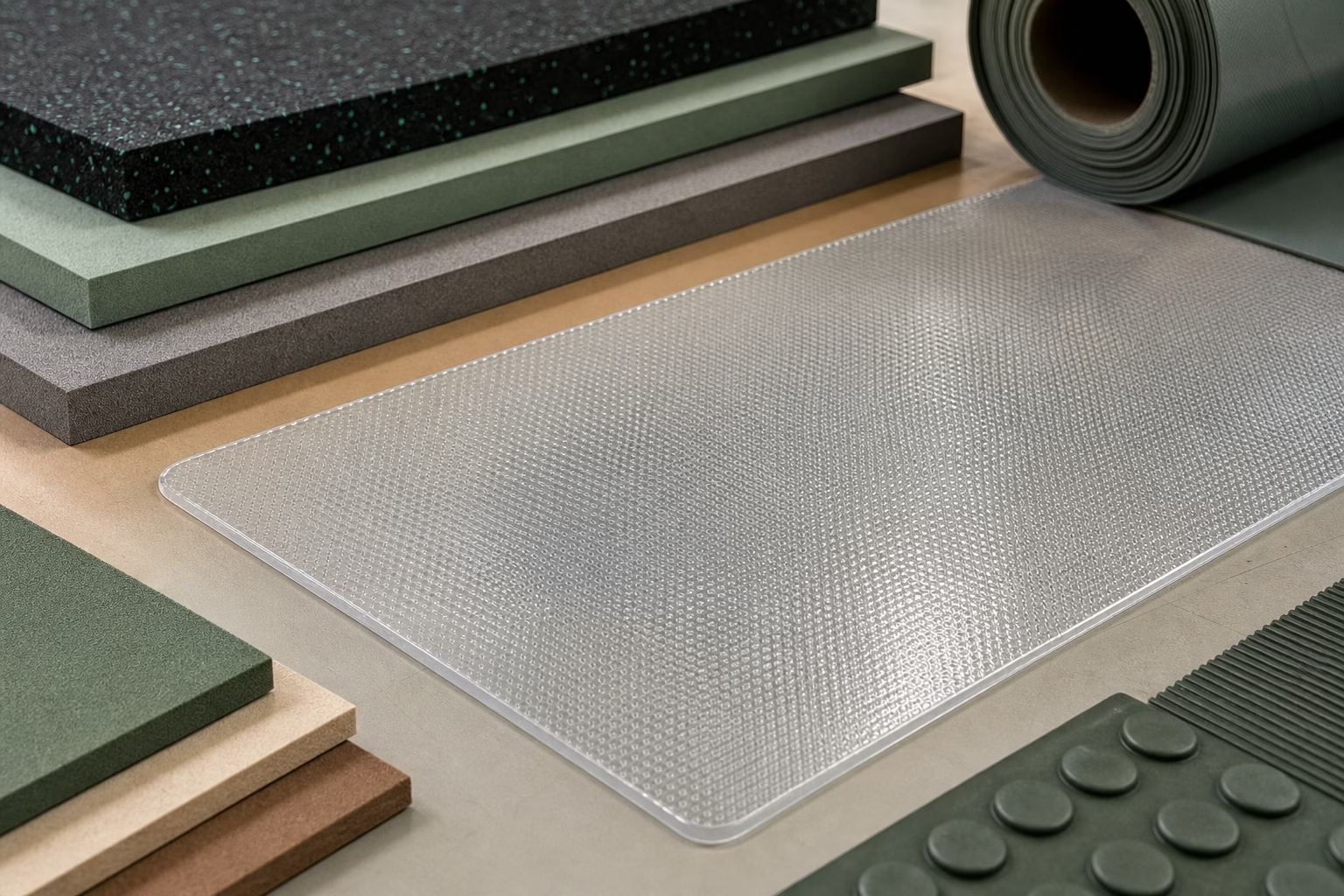
Ninghow Mats supplies performance mat structures using PORON and microcellular PU foam to provide controlled softness, support and surface stability. The foam can form part of a layered mat rather than acting as a stand-alone material.
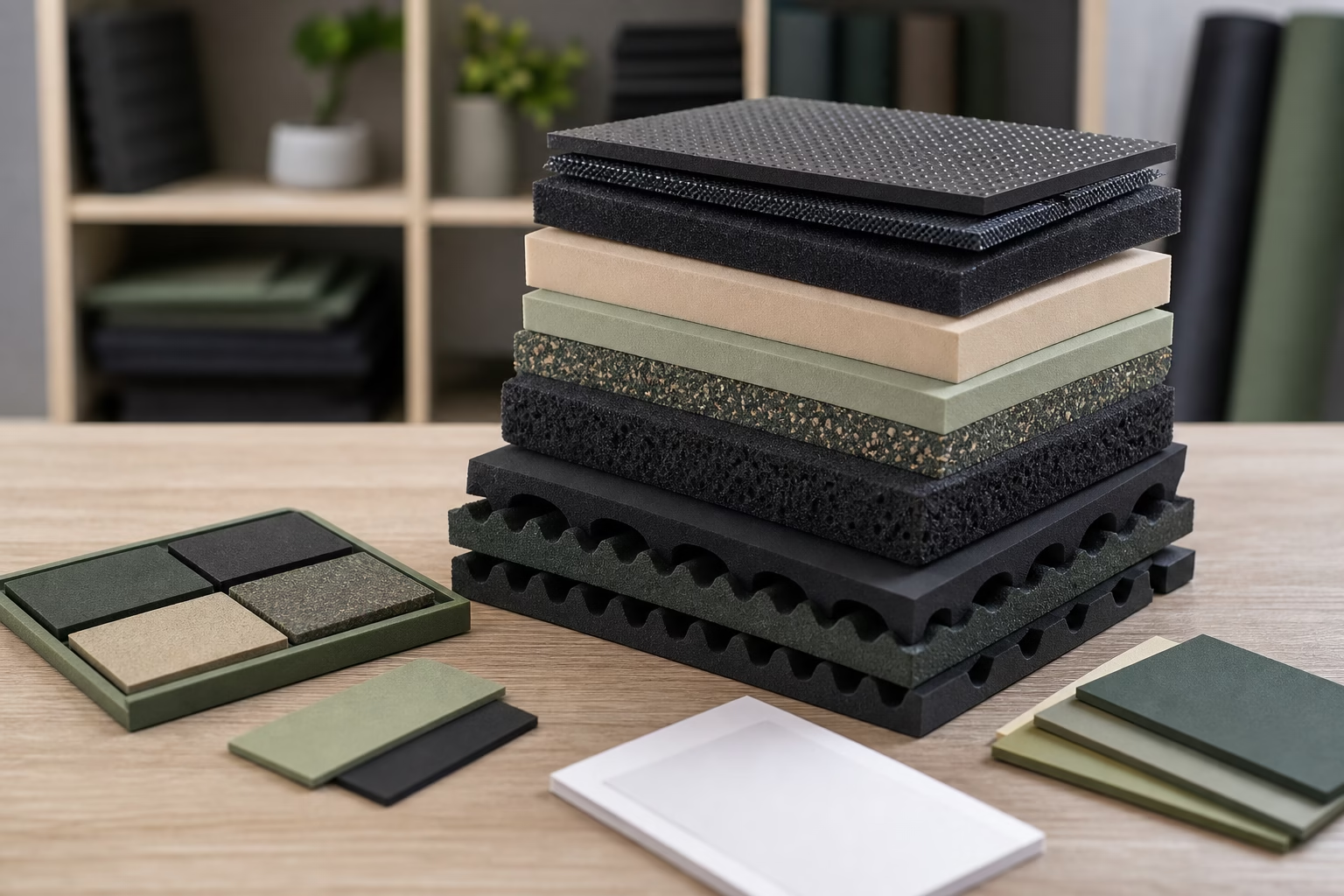
The correct structure depends on the role assigned to each layer. A finished mat may combine a selected surface, a foam component and a base. These elements must be reviewed together because the complete construction determines the product feel, dimensions, appearance and handling.
Foam density, hardness, compression, recovery, temperature resistance and durability data are not universal across projects. If any of these properties are important to your application, include the required values or test method in your specification. Material confirmation and sample review can then focus on the stated requirement.
Our team supports material and structure selection, surface-to-base matching, lamination, custom shaping, sample development, branding and packaging. Tell us how the finished mat should feel, function and fit, and we can review a suitable foam structure for your project.
Define the Required Softness, Support and Thickness
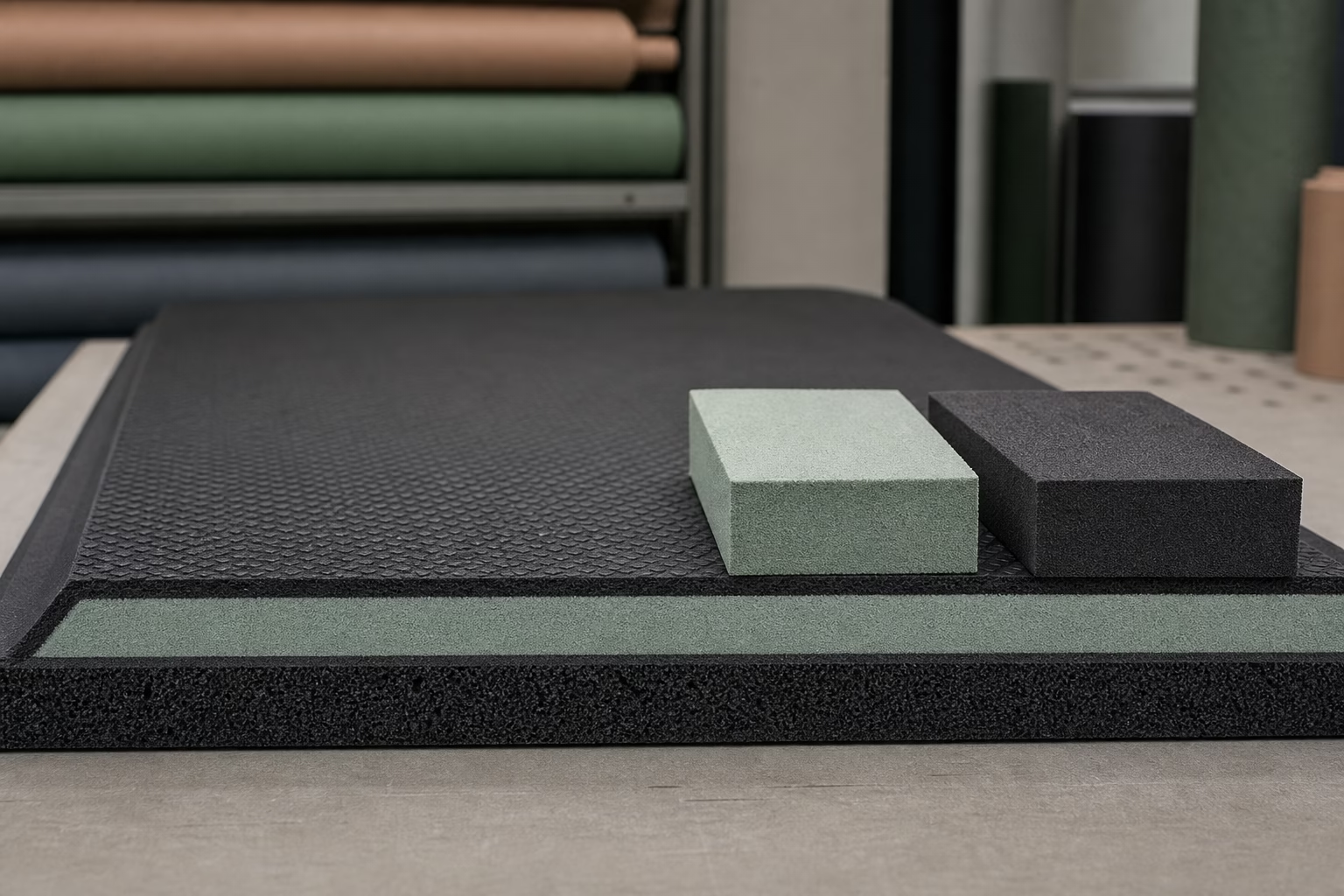
Start with the intended product experience rather than selecting a foam by name alone. Describe how soft or supportive the mat should feel, how stable the working surface must remain and what role the foam layer performs within the complete construction.
End Use
Information to provide: Product format, user interaction and intended operating surface
Why it affects development: Establishes the functional role of the foam layer
Softness
Information to provide: Target feel or an existing reference sample
Why it affects development: Guides material and structure review
Support
Information to provide: Areas that require support and how the mat will be used
Why it affects development: Helps define whether support is required across the full mat or in a specific zone
Thickness
Information to provide: Target finished thickness and any layer-specific requirements
Why it affects development: Affects the complete construction, edge treatment and product profile
Surface Stability
Information to provide: Expected behaviour of the working or contact surface
Why it affects development: Guides the relationship between the surface, foam and base
Reference Standard
Information to provide: Existing product, material sample, drawing or measurable requirement
Why it affects development: Creates a clearer basis for sample comparison
Plan the Surface, Foam Layer and Base as One Structure
A foam mat should be developed as a connected structure. The surface affects appearance and user contact, the foam contributes the required softness and support, and the base completes the construction for the intended use.
Surface Layer
State the required surface material, texture, printed area and contact conditions. If the surface carries artwork, the file, colours and print layout must also be reviewed.
Define the foam layer by its intended role, target thickness, softness and support requirement. If you have a nominated material or reference sample, include it with the project brief.
Base Layer
Identify the required base material and the surface on which the mat will be placed. The base should be assessed together with the surface and foam rather than selected independently.
Our supported workflow includes material preparation, surface-to-base matching and material lamination. More detailed production information is available on our mat materials and lamination capability page.
Mat Formats That Can Use a Specification-Led Foam Structure
PORON and microcellular PU foam structures can be reviewed for mat formats in which controlled softness, support or surface stability forms part of the development brief. Verified product routes include:
Standard or custom formats developed around selected surface, foam and base combinations.
Structures with customizable surface materials, base materials, softness, thickness and edge construction.
Extended formats that require coordinated dimensions, layered materials and finishing.
Products with support requirements that must be defined by the intended design.
Made-to-specification formats in which the support area and complete construction require development.
Projects defined by unique dimensions, thickness, materials, surface requirements, structure, printing or end use.
Customize Dimensions, Shape, Edges and Brand Presentation
Once the foam structure is defined, the physical and branded elements must be planned around it. Ninghow Mats supports custom size, thickness and shape development together with artwork, printing, branding, labels and packaging.
Size
Specify the finished length and width, including any required dimensional checkpoints.
Thickness
Distinguish between the target finished thickness and the thickness of individual layers where necessary.
Shape
Provide a drawing for non-standard outlines, corners, openings or shaped areas.
Cutting
Supported production routes include laser cutting, die cutting and custom shaping.
Edge Construction
Stitched-edge finishing can be considered where it is relevant to the selected structure and design.
Provide artwork, print coverage, logo position and colour references for review.
Labels and Packaging
Private-label, retail and shipping packaging can be developed according to project requirements.
Use a Sample to Validate the Complete Foam Mat
A custom sample provides a physical basis for reviewing the proposed material combination and construction before bulk production. Sample development is typically 3–5 days after the specifications, materials and artwork are confirmed.
The sample review should be based on defined acceptance points rather than an unrecorded impression. Depending on the design, check:
Our quality-control scope covers incoming materials, dimensions, thickness, appearance, printing, colour consistency, cutting, edge stitching, lamination, finished products and packaging. The sample does not by itself prove an unspecified performance property, so any critical test or measurement should be stated in the project requirements.
See custom mat sample development for the information that must be confirmed before sample preparation begins.
Material combination and the role of the foam layer.
Finished length, width, shape and thickness.
Required softness, support and surface stability.
Appearance and printed artwork.
Colour consistency where printing is included.
Cut shape and edge condition.
Stitched-edge construction where specified.
Lamination between the selected layers.
Labels, packaging and overall presentation.
Plan an OEM, ODM or Private-Label Foam Mat Programme
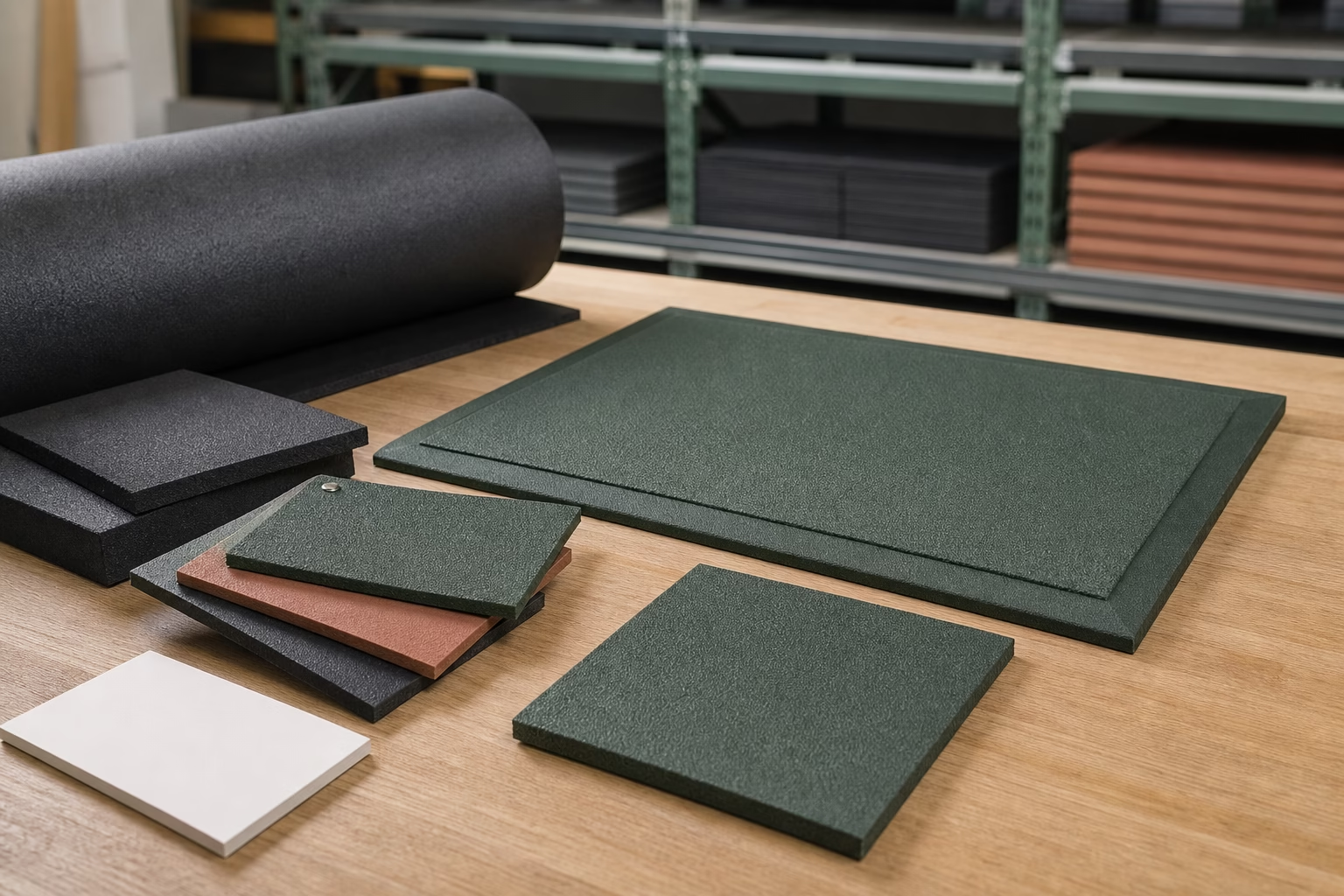
Ninghow Mats supports OEM and ODM product development, private-label manufacturing and bulk order coordination for PORON and microcellular PU foam mat projects. We can also assist with material selection, custom construction, artwork, branding, labels, packaging and export coordination.
A production review normally starts with the following project information:
Bulk production is coordinated after sample approval and order confirmation. Final production timing depends on the product specifications, quantity and customization requirements. Project-specific commercial, payment, trade and shipment terms are confirmed according to the order.
Intended product format and end use.
Finished dimensions, shape and thickness.
Proposed surface, foam and base structure.
Required softness, support and surface behaviour.
Artwork and branded finishing.
Edge construction and cutting requirements.
Packaging format.
Order quantity and sample needs.
Prepare a Clear Foam Mat Enquiry
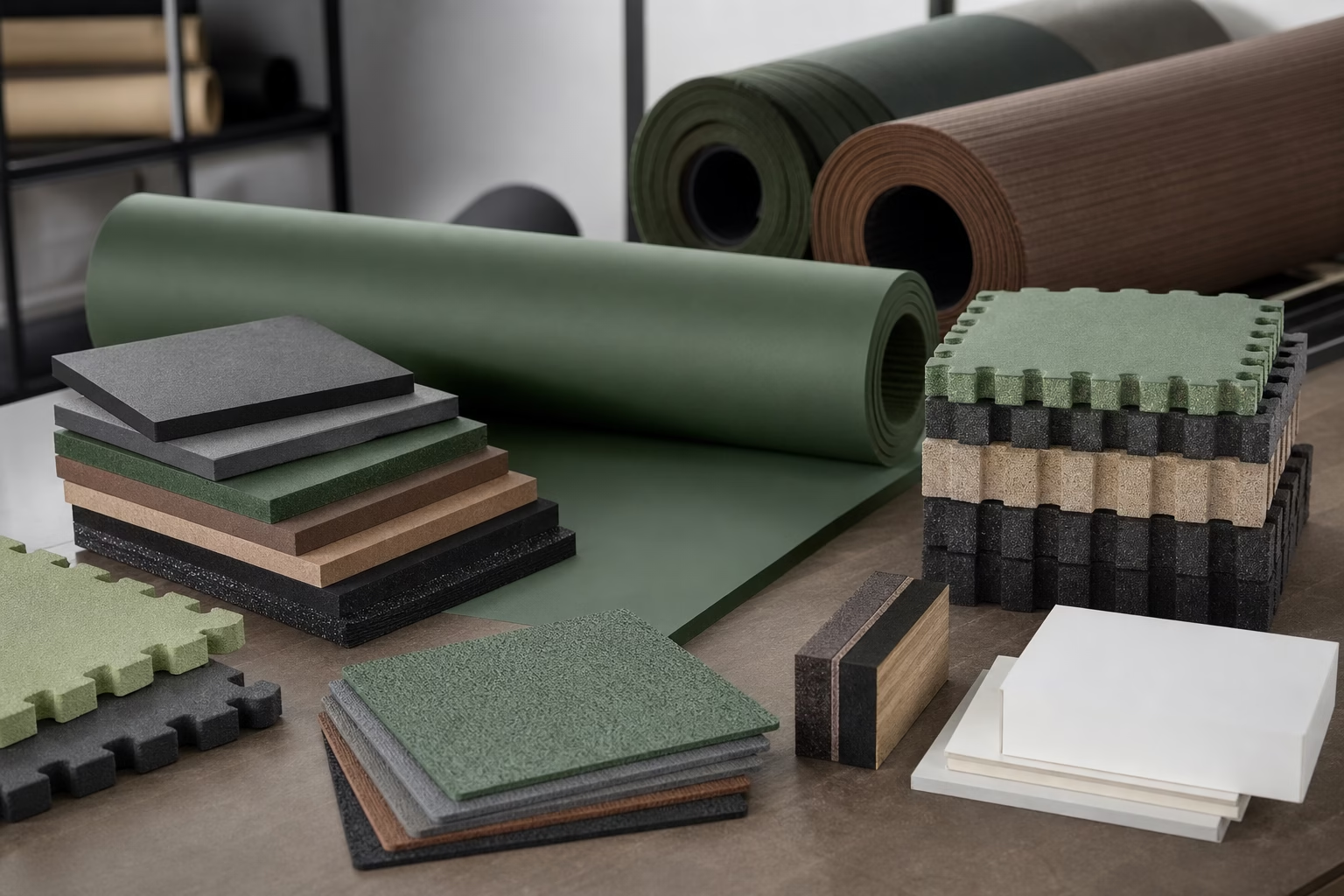
A concise technical brief allows our team to assess the material structure and identify points that need confirmation. Include:
If the material structure has not been finalized, submit the functional requirements first. We can review the application and discuss material, thickness and layer options without assuming unsupported performance values.
The mat format and intended use.
The required softness, support and surface stability.
Finished dimensions, thickness and shape.
Preferred surface, foam and base materials.
A reference sample or target specification, if available.
Artwork files and colour references.
Cutting and edge requirements.
Label and packaging needs.
Expected order quantity.
Sample requirements and approval points.
Review Your Proposed PORON or PU Foam Mat Structure
Send us your end use, target feel, dimensions, layered construction and sample requirements. Our team will review the information and identify the material, shaping, finishing and approval points that need to be confirmed for your project.
FAQ
Frequently Asked Questions
The customizable elements can include the surface and base materials, foam structure, size, thickness, shape, printing, branding, cutting, stitched edges, labels and packaging. The available combination is reviewed against the product format and end-use requirements.
Choose through a specification-led review rather than a general material claim. Define the required softness, support, thickness, surface stability and end use. If properties such as density, hardness, compression or recovery are critical, provide the required values or test method. The proposed structure can then be assessed through material confirmation and sampling.
Yes. Ninghow Mats supports material preparation, surface-to-base matching and material lamination. The surface, foam and base should be reviewed as one structure so that thickness, finishing and sample checks reflect the complete product.
Relevant routes include mouse pads, gaming mouse pads, desk mats, ergonomic mouse pads, wrist-support mats and application-specific mats. Suitability depends on the required construction and must be confirmed for the individual project.
Provide the intended product, dimensions, thickness, material structure, softness and support requirements, artwork, shape, edge construction and packaging needs. Sample development is typically 3–5 days after the specifications, materials and artwork are confirmed.
Check the material combination, dimensions, thickness, feel, appearance, printing, colour consistency, cutting, edge stitching, lamination and packaging as relevant. Record any critical measurements or test requirements so the approval has a clear basis.