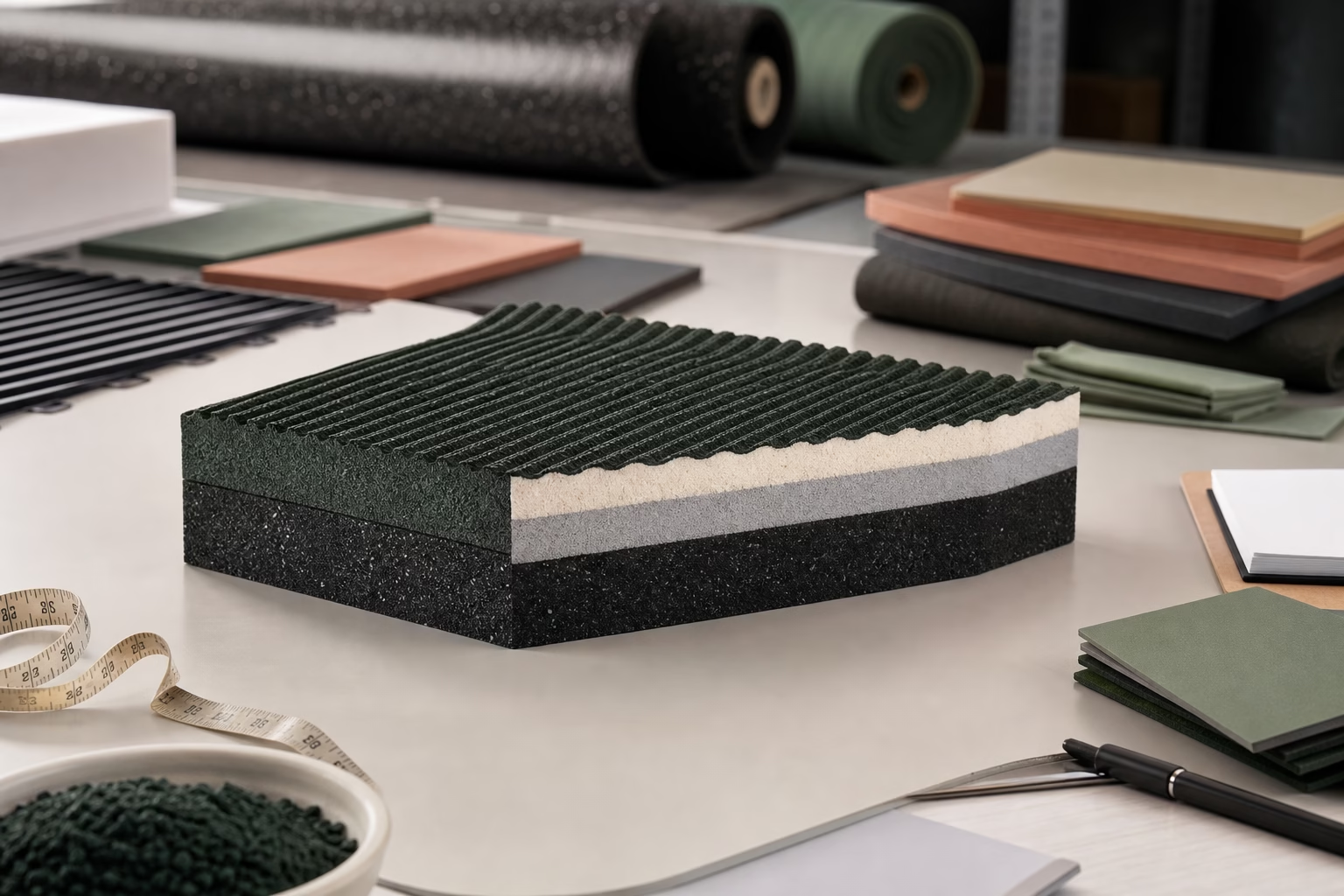
Custom Cushioning Mats Built Around Your Required Softness and Support
Ninghow Mats is a B2B supplier of made-to-order natural rubber, PORON and microcellular PU foam mat structures. We work with product developers, brands and procurement teams that need to translate a required feel or support function into a practical mat specification.
Define the Required Feel Before Choosing a Material
Cushioning, softness and support describe related but different parts of a mat's performance. A useful project brief separates these requirements rather than treating them as one general request.
Cushioning
Describes how the mat structure moderates pressure at the contact area.
Softness
Describes the feel that the user or product experiences when pressing against the mat.
Support
Describes how the structure maintains the intended contact area and physical form.
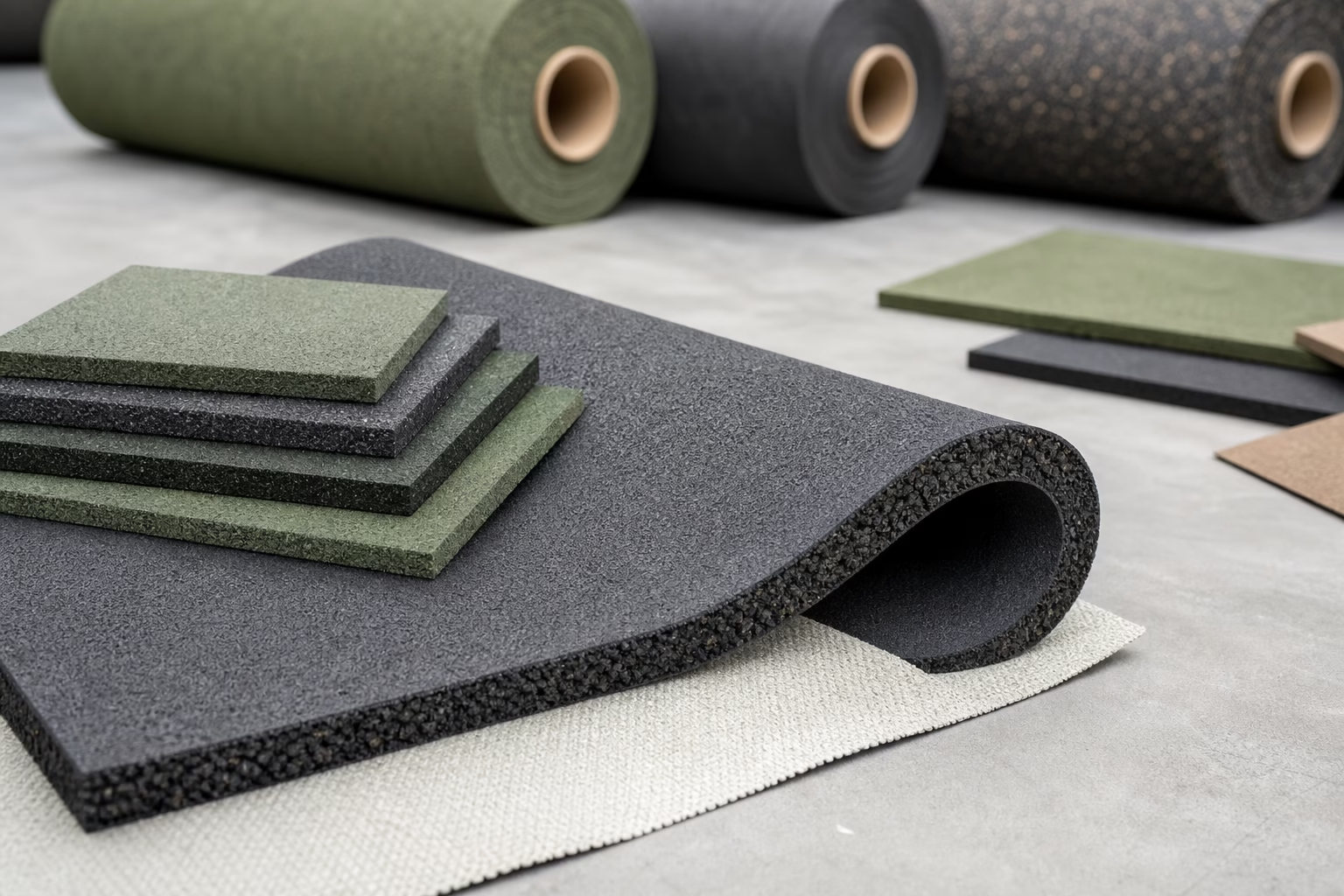
Consider Natural Rubber as a Cushioning Base
Natural rubber is a verified material option for custom mat bases used in cushioning and support applications. It can be developed as part of a single-material or layered mat structure, depending on the required format and surface.
The suitability of natural rubber depends on more than material type. Review it together with the selected thickness, the surface material, the complete layer structure and the feel expected from the final mat. A construction that is suitable for a desk mat may not use the same dimensions or support arrangement as a yoga or exercise mat.
When evaluating natural rubber, specify the role it should perform within the structure. It may form the main body of the mat or serve as a base beneath another surface. The proposed construction can then be prepared and reviewed at sample stage without relying on unconfirmed hardness, density, compression or rebound figures.
Buyers who have shortlisted this material can review the dedicated custom natural rubber mat product route.
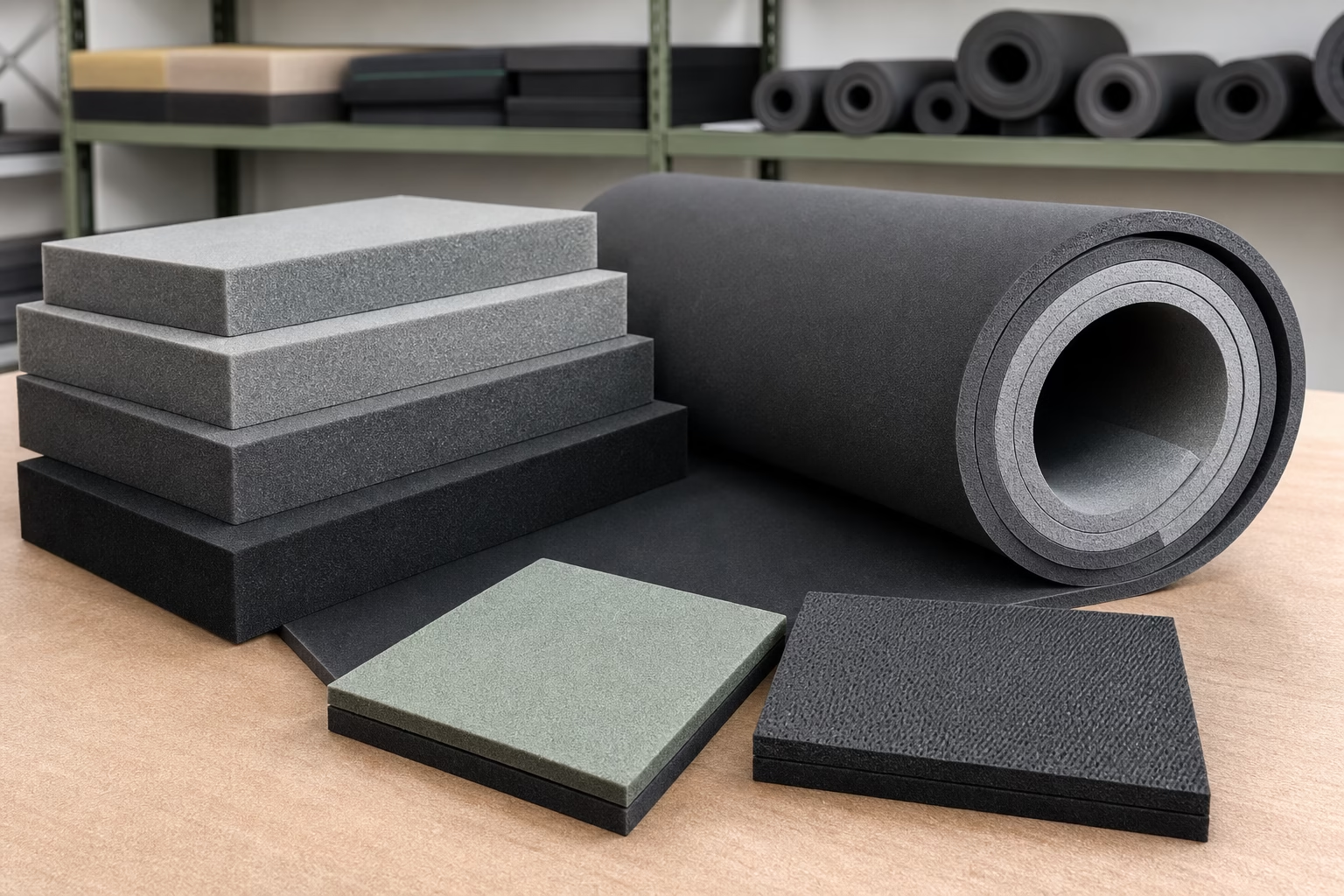
Use PORON or Microcellular PU Foam for Controlled Support
Ninghow Mats supports PORON and microcellular PU foam structures for controlled softness, support and surface stability. These materials are relevant when the support area and required feel need to be developed as part of a defined product structure.
Start by identifying where support is needed. A wrist-support mouse pad, for example, has a different contact area from a full-size fitness mat. The intended support zone affects the material layout, dimensions, thickness and finished shape that must be reviewed.
Key foam specification questions include:
Because no single rating can represent every structure, a physical sample is the practical way to compare proposed material and thickness combinations. More product-level information is available on the PORON and microcellular PU foam mats page.
Where is the main support area located?
How should the finished mat feel at that contact point?
What overall thickness must fit the product or application?
Will the foam be used alone or paired with surface and base materials?
What finished dimensions and shape are required?
Does the design include printed artwork or another surface treatment?
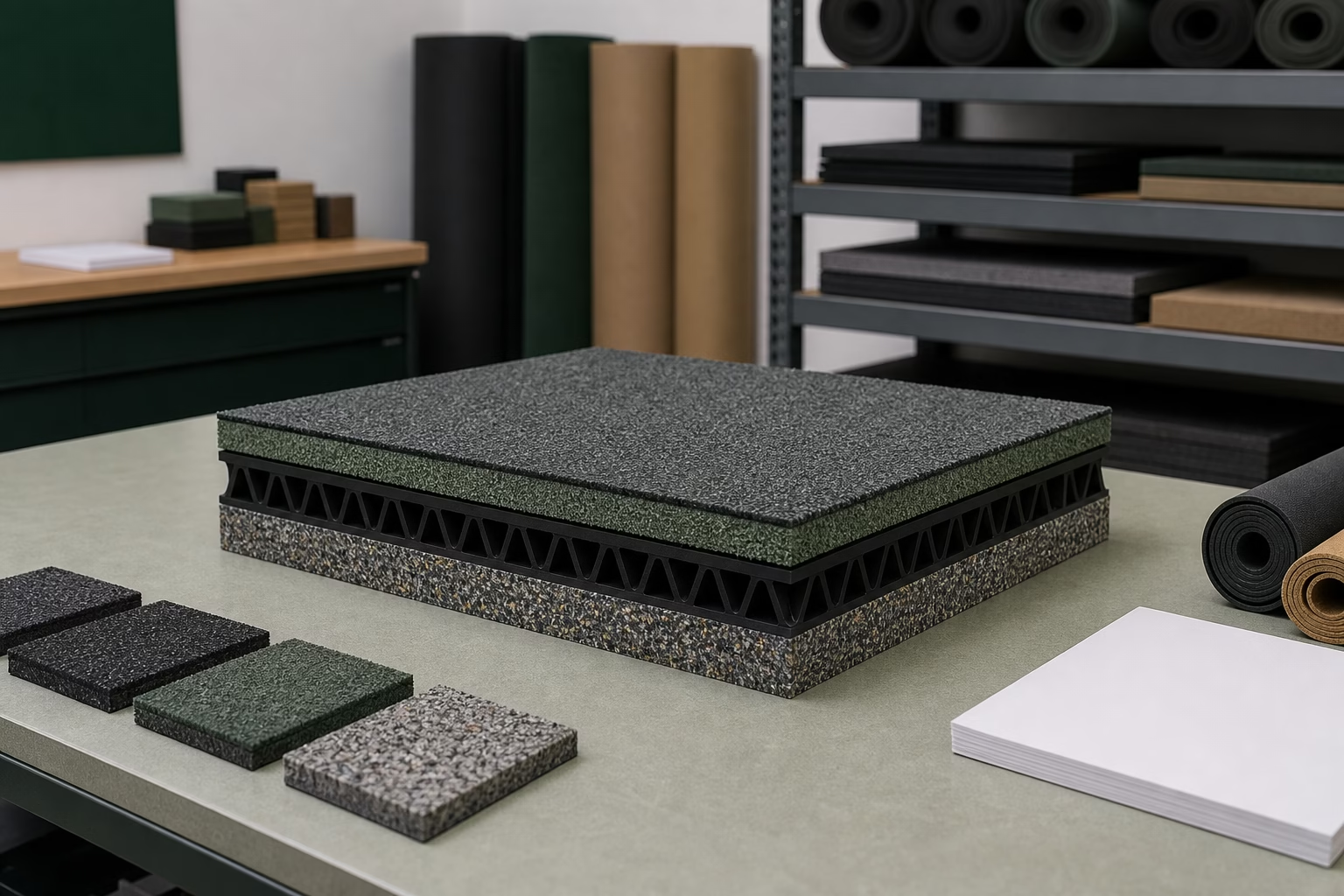
Plan the Surface, Cushioning Layer and Base as One Structure
The finished feel comes from the complete mat structure, not from one isolated layer. The surface, cushioning layer and base each have a role, and their interaction should be reviewed as one construction.
Surface
Questions to define: What contacts the user or product? Is printing or branded artwork required?
Development implication: The surface must be matched with the selected cushioning structure and finished format.
Cushioning Layer
Questions to define: Where is softness or support required? What thickness and feel should be evaluated?
Development implication: Natural rubber, PORON or microcellular PU foam can be reviewed according to the application brief.
Base
Questions to define: What material and overall construction fit the product design?
Development implication: The base must work with the surface, cushioning layer, dimensions and intended use.
Finished Construction
Questions to define: Should the design use one main material or a laminated structure?
Development implication: Material preparation, surface-to-base matching and lamination can support a layered design where suitable.
Apply Cushioning Structures to the Right Mat Format
Cushioning and support requirements appear across several verified mat families. The format determines how the material structure should be specified and evaluated.
Development can focus on the location, shape and feel of the wrist-support area.
The support structure should be planned around the intended hand and wrist contact zone.
Softness and thickness can be considered with the surface, base and edge construction.
A larger format requires the selected structure to work across the stated dimensions.
Material, thickness and overall structure should reflect the intended practice and body-contact requirements.
The brief should identify the training use, contact areas, dimensions and desired feel.
Softness, thickness and support requirements can be developed around the intended Pilates use and finished format.
Validate the Proposed Support Structure with Samples
A sample allows your team to compare the proposed material and construction before bulk production. It is especially useful when choosing between natural rubber and foam structures or when more than one thickness or layer pairing is under consideration.
During sample review, check:
Our related quality controls cover incoming materials, dimensions, thickness, appearance and lamination. These checks confirm that the sample and production requirements can be reviewed against the agreed specification. They do not replace application-specific testing or create a guaranteed cushioning result.
Sample development is typically 3–5 days after specifications, materials and artwork are confirmed. Final sample requirements depend on the proposed structure. See the custom mat sample development service for the workflow and approval inputs.
Material type and proposed layer structure.
Overall dimensions and finished shape.
Thickness at the required measurement points.
Feel at the main support or contact area.
Surface and base alignment.
Lamination appearance and layer positioning.
General appearance and workmanship.
Printed artwork and colour, when relevant.
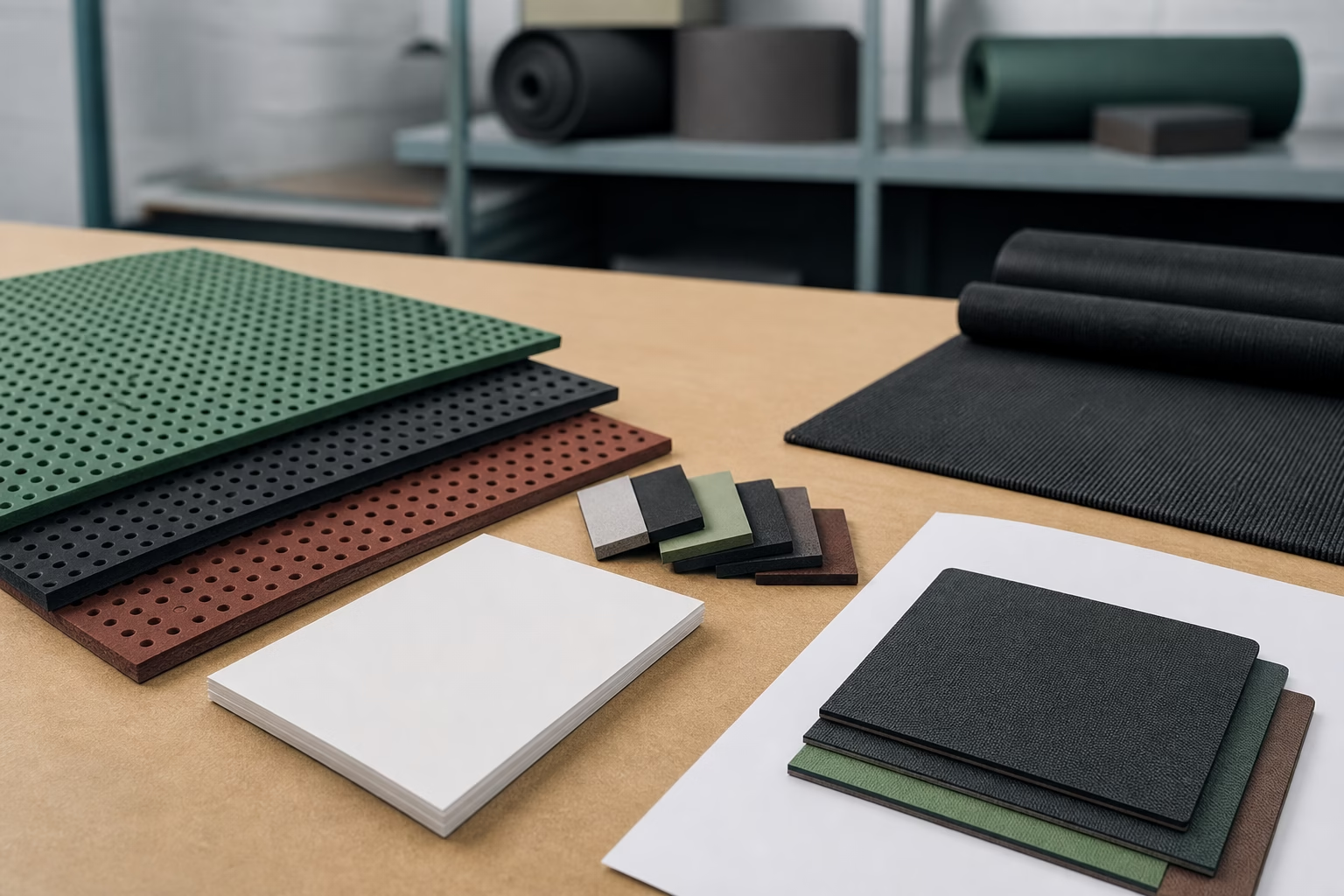
Prepare a Clear Cushioning Mat Development Brief
Ninghow Mats supports OEM and ODM development for made-to-order rubber and foam mat structures. Our services include application analysis, material selection, structure development, custom dimensions, thickness and shape development, sample preparation and bulk order coordination.
Include the following information in your enquiry:
We use this brief to review the material route, layered structure and conversion method. Material preparation and lamination support layered constructions, while laser cutting, die cutting and custom shaping support suitable finished formats. These processes establish manufacturing feasibility; they do not by themselves prove a specific cushioning result.
Mat type and intended application.
Required length, width and shape.
Target thickness.
Desired softness or support feel.
Location and dimensions of the support area.
Preferred natural rubber, PORON or microcellular PU foam option.
Surface and base requirements.
Artwork or printing files, if relevant.
Required quantity.
Packaging requirements.
Compare a Support Material Route for Your Project
Send your application, dimensions, target thickness, support requirement and preferred material. We will review whether natural rubber, PORON, microcellular PU foam or a layered structure provides a suitable development route for sampling and quotation.
FAQ
Frequently Asked Questions
There is no universal choice. Natural rubber is a verified option for cushioning and support bases. PORON and microcellular PU foam are verified options for controlled softness, support and surface stability. Selection depends on the contact area, target feel, thickness, surface pairing, base pairing and finished format. Comparing proposed samples is the most practical decision route.
Provide the end use, mat dimensions, target thickness, desired feel, contact point, support-zone location and preferred material. Also state whether the design requires a separate surface, base, printed artwork or special shape. Practical descriptions and reference samples can be more useful than requesting a foam name without structural context.
Yes. Ninghow Mats supports material preparation, surface-to-base matching and lamination for custom mat structures. The materials, layer arrangement and finished thickness must be reviewed for the specific project. We do not assume an adhesive type, foam grade or number of layers before this review.
Relevant verified formats include ergonomic mouse pads, wrist-support mouse pads, gaming mats, desk mats, yoga mats, exercise mats and Pilates mats. The material structure and support area must be adapted to the dimensions and contact requirements of each format.
Yes. We support sample development for OEM and ODM mat projects. Samples can be used to review material, thickness, softness, dimensions, layer alignment, appearance and finished construction. Development is typically 3–5 days after specifications, materials and artwork are confirmed.