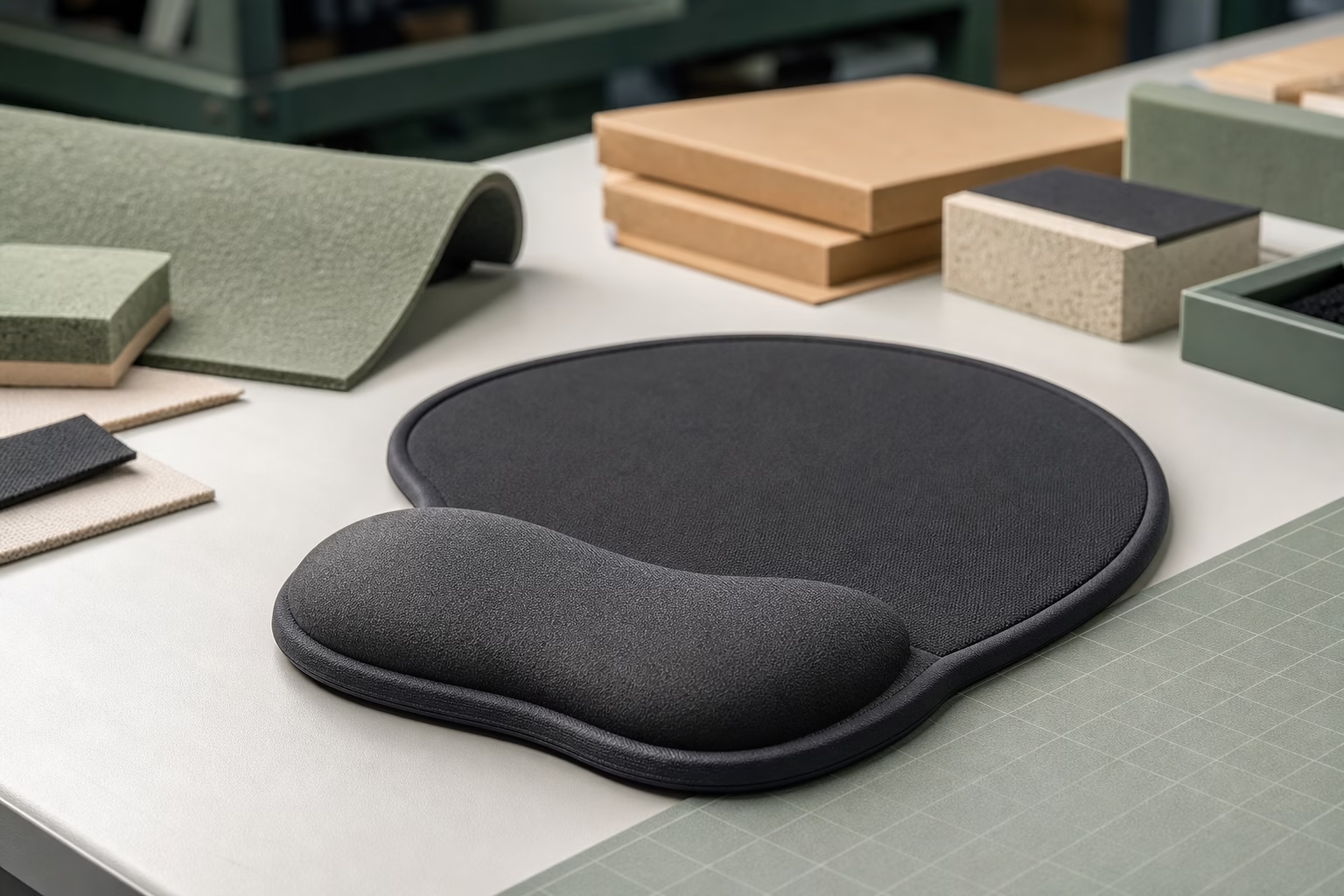
Develop a Custom Ergonomic Mouse Pad with a Made-to-Spec Support Zone
Ninghow Mats supplies custom ergonomic mouse pads and wrist-support mats for computer accessory brands, product developers and private label programs. We develop the dimensions, support profile, material structure, surface, base, artwork and packaging around your product brief.
Build the Mouse Pad Around Your Support Requirements
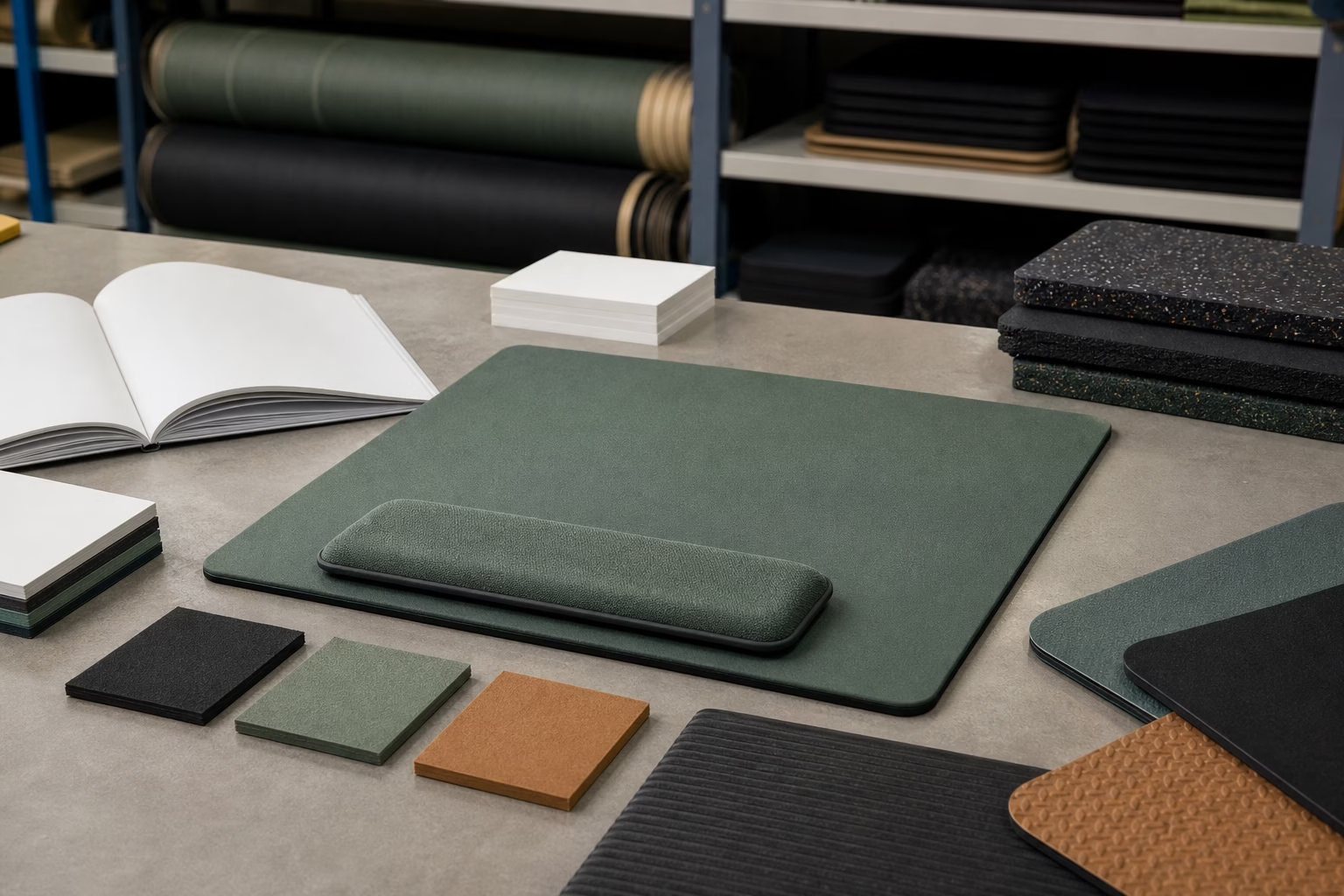
An ergonomic mouse pad combines a mousing area with a defined wrist-support zone. The two areas must work as one product, so the support profile cannot be selected without considering the overall dimensions, surface material, base and intended mouse use.
We can develop custom size, thickness, softness, shape and layered structures for branded accessory programs. The product brief may start with an existing concept, a drawing or a set of target requirements. Our team then reviews the material roles, construction method and production fit.
For a broader view of available formats, visit our custom mouse pads page. This product route stays focused on integrated wrist-support constructions rather than gaming performance surfaces or extended desk coverage.
PORON or microcellular PU foam, natural rubber and silicone can be considered for different support and stability requirements. Send us your target dimensions, wrist-support concept, material direction, artwork and order plan so our team can review the construction.
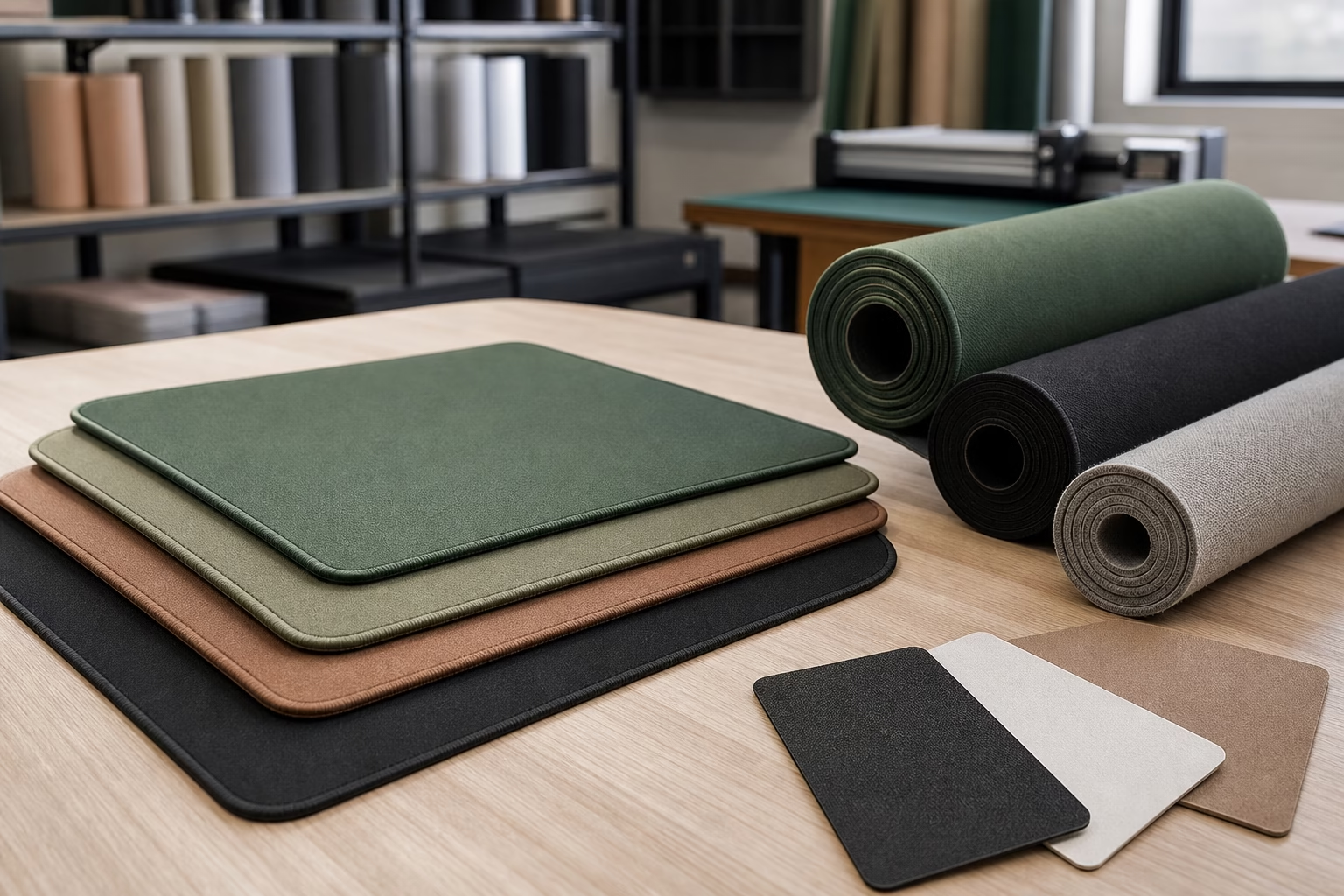
Define the Wrist-Support Profile Before Sampling
The support zone is the main construction feature of an ergonomic mouse pad. A clear specification gives the development team enough information to shape the sample and assess how the support area connects with the mousing surface.
Support-Zone Position
What to define: Placement in relation to the mousing area and product edges
Why it matters: Sets the basic product layout
Profile and Shape
What to define: Target outline, raised area and transition into the flat surface
Why it matters: Guides material shaping and construction review
Support Dimensions
What to define: Width, depth and position within the overall pad
Why it matters: Connects the support zone to the intended product format
Thickness Direction
What to define: Target thickness for the mousing area and support section
Why it matters: Helps define the layered structure
Softness Direction
What to define: Relative support feel required by the product concept
Why it matters: Guides the first material comparison
Overall Dimensions
What to define: Length, width, corner shape and product outline
Why it matters: Sets the complete cutting or shaping requirement
Compare Foam, Natural Rubber and Silicone Structures
The right material depends on the role of each layer. Some projects use one main flexible material, while others combine a top surface, support layer and base. Final suitability is reviewed against the complete construction rather than one material name.
Verified material role: Controlled softness, support and surface stability
Potential project fit: Support zones or layered constructions that need a defined softness direction
Verified material role: Anti-slip performance, cushioning and support
Potential project fit: Mouse pad bases and constructions requiring cushioning with surface grip
Verified material role: Flexible and anti-slip ergonomic structures
Potential project fit: Flexible support components or specialized anti-slip constructions
EVA Foam
Verified material role: Lightweight and cost-oriented construction
Potential project fit: Projects where weight and commercial positioning guide the material review
PVC
Verified material role: Cost-oriented and general-purpose material option, including anti-slip uses
Potential project fit: Selected consumer or promotional concepts subject to construction review
Match the Surface, Support Layer and Anti-Slip Base
A wrist-support mouse pad should be assessed as a connected structure. The top surface affects the mousing area and printed presentation. The support layer defines the shape and softness direction. The base helps stabilize the finished product on the desk.
Our development team can review surface-to-base matching, material lamination and the transition between the mousing area and the raised support zone. Important questions include:
The sample should be reviewed as a complete assembly. A material that fits one layer may not suit the required shape, lamination method or transition between zones.
Will the support zone be formed as part of the main structure or combined with another layer?
How should the surface pass over or connect to the support area?
Does the product need a natural rubber, silicone or other reviewed anti-slip base?
Where should changes in thickness occur within the product outline?
Will the selected edge construction suit both the flat area and the support profile?
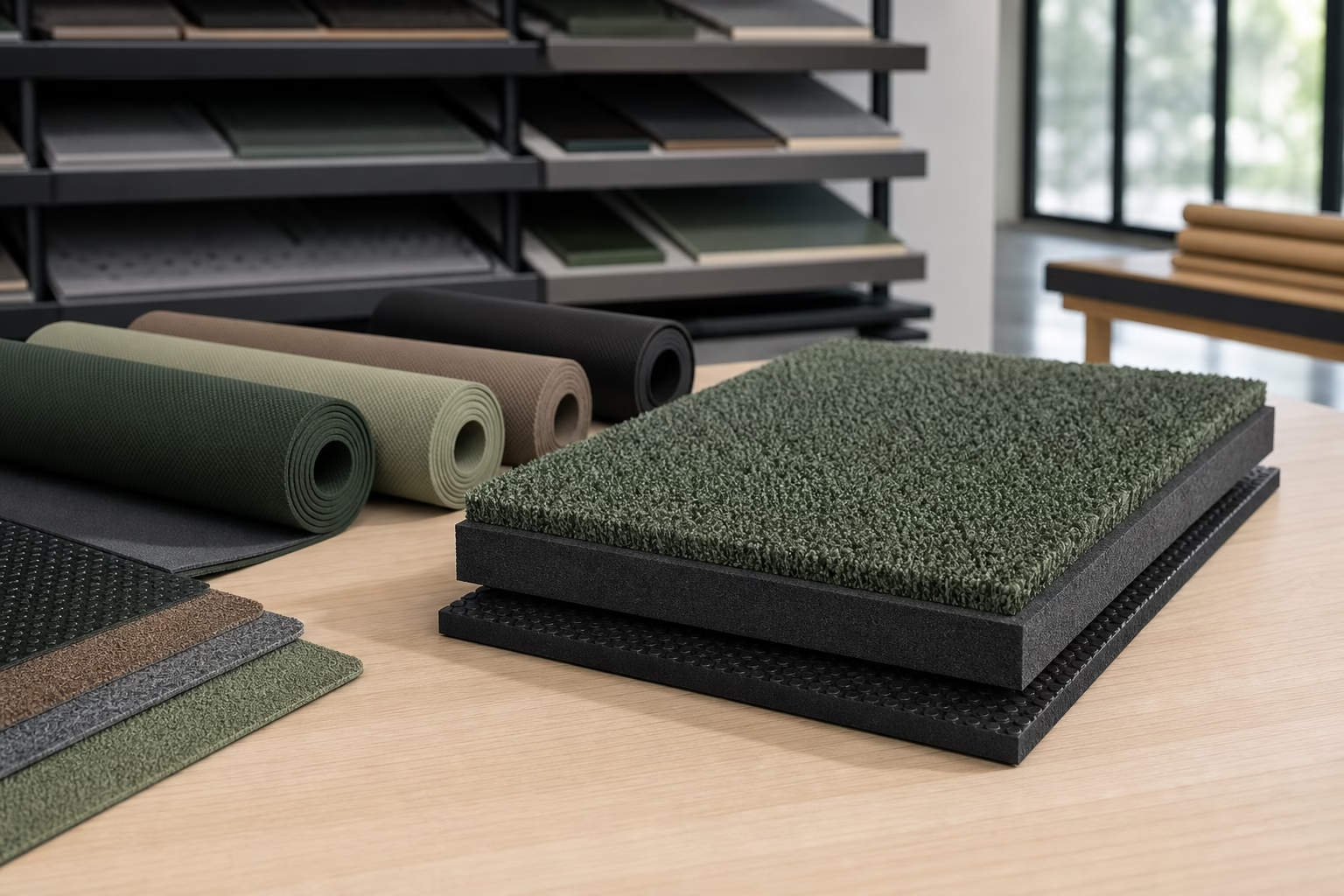
Plan Custom Shape, Printing and Brand Placement
Brand artwork must account for the wrist-support area rather than treating the mouse pad as a flat rectangle. Logos, patterns and product information can be positioned around the support zone so that key elements remain clear after shaping and assembly.
Relevant production options include digital printing, heat-transfer processing, material lamination, laser cutting, die cutting, custom shaping and stitched-edge finishing. The process route depends on the selected materials, outline, artwork and edge design; not every method is required for every product.
Artwork and Construction Points to Review
Logo position in relation to the mousing and support areas.
Full-surface artwork coverage and any change across the raised profile.
Print layout within the final cut line.
Corner shape and custom product outline.
Edge treatment around the selected structure.
Brand labels and packaging presentation.
Artwork review takes place with the material and construction review. This reduces the risk of approving a print layout that does not fit the final shape or support-zone position.
Sample and Approve the OEM Wrist-Support Construction
Ergonomic mouse pad development follows a specification-led process. The project moves from intended use and material selection to construction review, artwork confirmation, sample preparation and approval for bulk production.
Submit the Product Brief.
Provide the intended use, dimensions, wrist-support layout, thickness or softness direction, preferred materials and artwork.
Review Materials and Structure.
We assess the surface, support layer, base, profile and relevant production methods together.
Confirm the Sample Specification.
Dimensions, materials and artwork must be confirmed before sample preparation begins.
Develop the Sample.
Sample development typically takes 3–5 days after the specifications, materials and artwork are confirmed.
Evaluate and Approve.
Review the shape, support profile, thickness, appearance, printing, lamination, edges and packaging direction as relevant to the project.
Release the Approved Construction.
Bulk production planning begins after sample approval and order confirmation.
Check the Features That Affect Supportive Constructions
Ninghow Mats applies production checks to the material, construction, printed surface and finished presentation. For ergonomic mouse pads, inspection can cover incoming materials, dimensions, thickness, appearance, lamination, cutting, edge stitching, printing, color consistency, finished products and packaging.
These checks address whether the product follows the approved production specification. They do not establish medical, therapeutic or measured comfort outcomes.
Relevant Inspection Points
Material identity and visible condition before production.
Overall mouse pad and support-zone dimensions.
Thickness against the approved construction.
Lamination and connection between relevant layers.
Cut shape, edge condition and stitched-edge appearance where used.
Print placement, appearance and color consistency.
Finished-product appearance and packaging.
For printed branding, colorimeters are available for color-difference measurement with a Delta E <1.5 color-control target. This target applies to color control and does not represent structural or ergonomic performance.
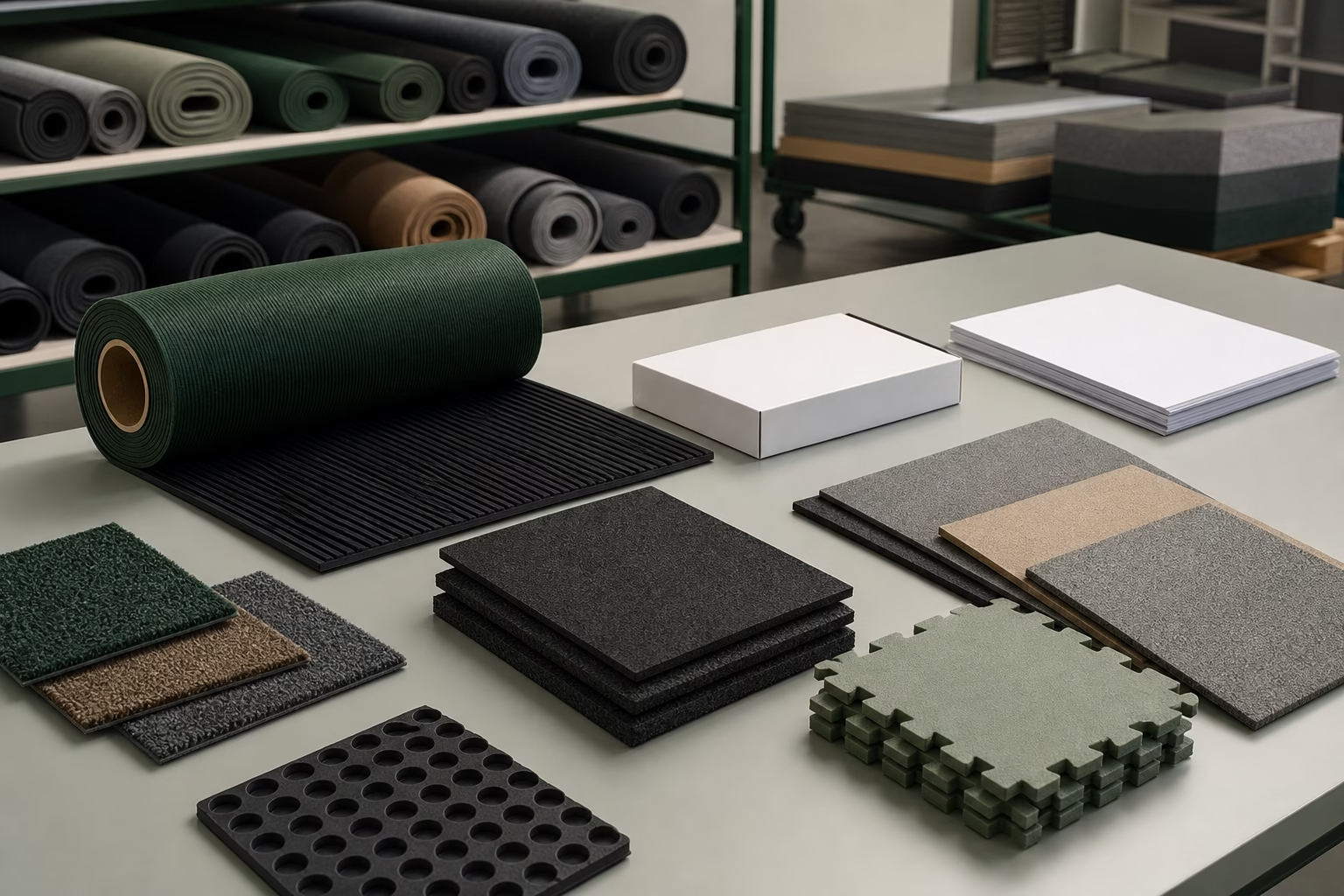
Prepare the Brief for Bulk Production and Quotation
A useful quotation brief connects the wrist-support concept with the order and presentation requirements. Include enough information for our team to review the complete product rather than quoting a generic mouse pad construction.
Standard export packaging and customized private label, retail and shipping packaging are supported according to project requirements. Bulk production typically takes 12–18 days after sample approval and order confirmation. Final timing depends on the product specifications, quantity and customization requirements.
Submit the available details through our custom mat quotation form . Our team will review the construction and identify any specifications that need confirmation.
Intended product use and target market position.
Overall length, width, shape and corner details.
Wrist-support location, profile and dimensions.
Preferred material or required softness direction.
Target thickness for the main area and support zone.
Top-surface and anti-slip base requirements.
Artwork, logo placement and print coverage.
Order quantity and repeat-order plan.
Label, private label, retail or shipping packaging requirements.
Start with Your Wrist-Support Product Brief
Send Ninghow Mats your dimensions, support-zone concept, preferred materials and artwork. We will review the surface, support layer, base, shaping and packaging requirements as one product before confirming the sample route.
FAQ
Frequently Asked Questions
Verified options include PORON or microcellular PU foam for controlled softness, support and surface stability; natural rubber for anti-slip performance, cushioning and support; and silicone for flexible, anti-slip ergonomic structures. EVA and PVC may also be considered for lightweight or cost-oriented projects. The final choice depends on the role of each layer and the required product shape.
Provide the overall mouse pad dimensions, support-zone position, profile, width, depth, thickness direction and relative softness requirement. A drawing or reference concept can help show the relationship between the mousing area and support zone. Material and production feasibility are reviewed before sampling.
Yes, these elements can be developed as a connected layered construction. The exact arrangement depends on the selected surface, support material, base, profile and lamination requirements. A sample is used to review how the layers and zones work together before bulk production.
Yes. We support artwork and printing development, branding customization, labels and project-specific packaging. Print placement should be planned around the support zone and final cut shape. Retail, private label and shipping packaging can be developed according to the order requirements.
Sample development typically takes 3–5 days after the specifications, materials and artwork are confirmed. The starting point is important because an incomplete support profile or unconfirmed material structure can delay sample preparation.
Send the intended use, overall dimensions, support-zone layout, material preference, thickness or softness direction, surface and base requirements, artwork, quantity and packaging needs. If some details are not yet fixed, state the required product direction so our team can review material and structure options with you.