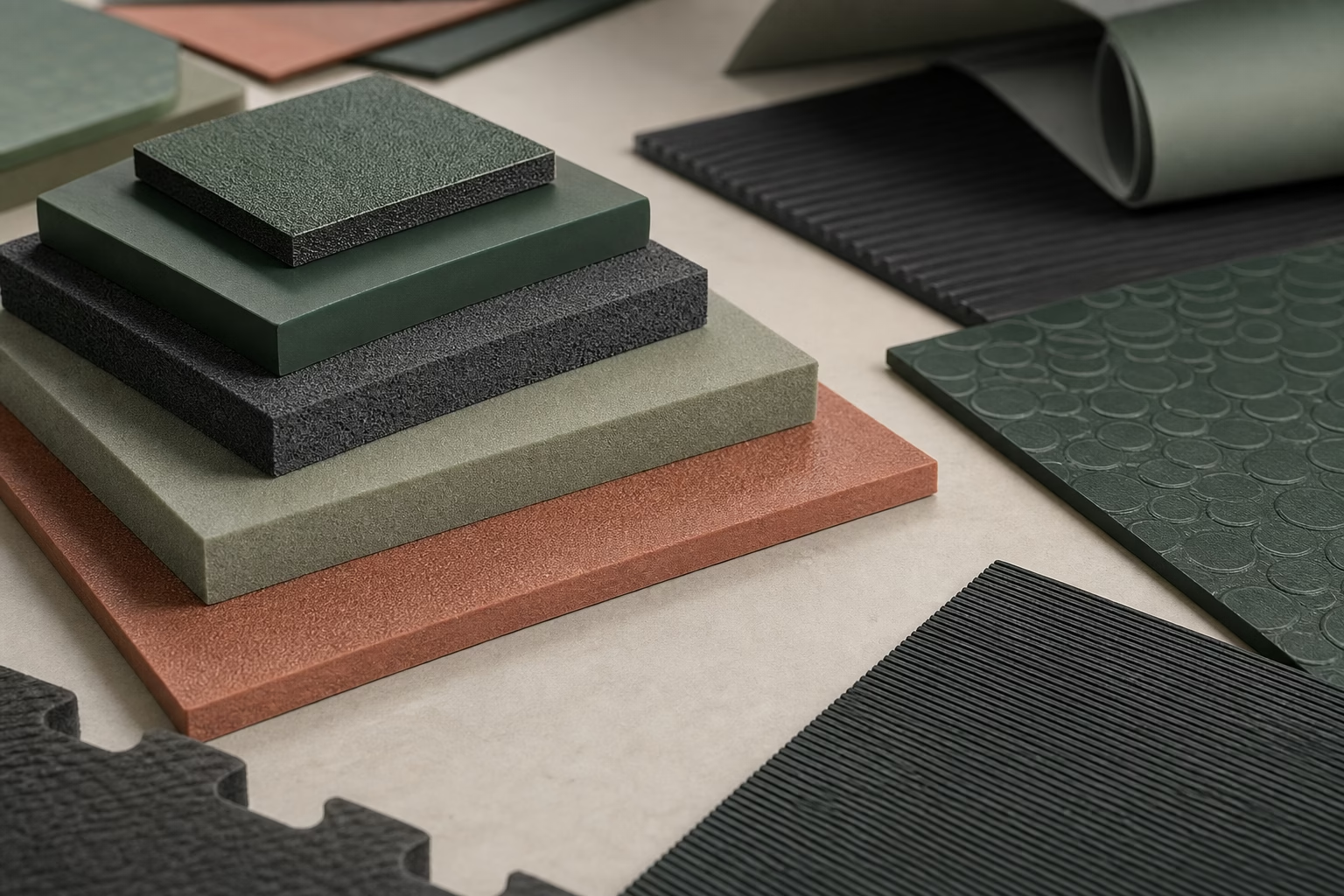
Compare Custom Mat Solutions for Grip, Support and Protection
Ninghow Mats is a B2B supplier of made-to-order mat structures for product development teams, brand owners and procurement professionals. We help buyers compare materials and layered constructions for anti-slip performance, cushioning, controlled support, surface stability and work-surface protection.
Choose a Solution Route by Primary Performance Need
The best starting point is the problem the mat structure must address. Treat one requirement as the primary goal and record the others as secondary constraints. This keeps material selection focused and makes sample review more useful.
Grip and Anti-Slip Performance
Material families to consider: Natural rubber, flexible silicone or PVC anti-slip material
Key structure questions: What surface will contact the base? Is flexibility important? Does the mat also require cushioning or a printed upper surface?
Recommended next step: Compare anti-slip mat solutions
Material families to consider: Natural rubber, PORON or microcellular PU foam
Key structure questions: What thickness and softness are required? Where is support needed? What surface feel should the complete structure provide?
Recommended next step: Review cushioning and support structures
Surface Stability
Material families to consider: PORON or microcellular PU foam within a matched structure
Key structure questions: How should the upper surface, support layer and base work together? What dimensions, thickness and softness fit the contact area?
Recommended next step: Use the material selection guide
Material families to consider: A project-specific surface, structural layer and base selected for the task
Key structure questions: What area must the mat cover? What custom shape, edge construction and surface layout are required?
Recommended next step: Plan a work-surface protection mat
Select an Anti-Slip Material or Base Structure
For an anti-slip custom mat solution, the first decision is usually the material that contacts the supporting surface. Ninghow Mats can consider natural rubber, flexible silicone and PVC anti-slip materials when grip is the main requirement.
Natural rubber can serve as an anti-slip base while also contributing cushioning and support. It can be considered when the project needs a stable base beneath another surface layer or when grip must be balanced with a softer structural feel.
Silicone supports flexible and anti-slip mat constructions. It may fit consumer, ergonomic, commercial or specialized mat concepts where flexibility is an important part of the design brief.
PVC Anti-Slip Options
PVC can be considered for anti-slip requirements and for cost-oriented, general-purpose mat projects. The final choice should account for the intended contact surface, dimensions, flexibility, upper-surface requirements and complete construction.
No material should be treated as universally suitable without reviewing the actual use. Ninghow Mats does not assign an unverified grip rating based only on the material family. For a detailed comparison, see our custom anti-slip mat solutions .
Build Cushioning and Support into the Mat Structure
Cushioning describes how a structure provides a softer layer between the contact area and the supporting surface. Support concerns how that structure holds the intended contact zone. These requirements are related, but they are not identical and should be defined separately.
Thickness
Define the required overall thickness and consider how each layer contributes to it.
Softness
Describe the intended feel in practical terms and identify where softness is needed.
Support Area
Mark the part of the mat that will receive regular contact or load.
Upper Surface
Specify the required contact feel, appearance and any printing needs.
Base Relationship
Explain what surface will sit beneath the mat and whether grip is also required.
Create Surface Stability Through Material Pairing
Surface stability means developing a mat structure that supports its intended working or contact surface. It depends on how the surface material, supporting layer and base are matched, not on a single material label.
Surface
Primary role to define: Provides the intended contact area, surface feel, appearance or printed presentation
Project questions: What will touch or move across the surface? Is artwork required? What dimensions and surface requirements apply?
Core or Support Layer
Primary role to define: Contributes controlled softness, cushioning, support or structural separation
Project questions: What overall thickness and softness are needed? Is support required across the full mat or a defined zone?
Base
Primary role to define: Connects the structure with the supporting surface and may contribute grip or stability
Project questions: What surface will the mat rest on? Is flexibility required? Is anti-slip performance a primary or secondary need?
Plan a Structure for Work-Surface Protection
Workbench, maintenance and assembly mats often begin with a defined task area rather than a standard product format. A useful protection brief describes the surface to be covered, the activities performed on it and the required mat layout.
Task Area
Define the work zone, component area or maintenance space that needs coverage.
Dimensions
Provide the required length, width and any cut-outs or restricted areas.
Surface Layer
State the desired contact surface, appearance and any functional printed layout.
Structural Layer
Define the required thickness, softness and support characteristics.
Base Material
Describe the supporting surface and whether grip is required.
Shape and Edges
Identify the outline, corners and preferred edge construction.
Balance Grip, Cushioning, Stability and Protection
A single mat may need more than one performance feature. For example, a project can require an anti-slip base, a controlled support layer and an upper surface shaped around a work area. The goal is not to maximize every characteristic. It is to establish the primary requirement and prevent secondary needs from undermining it.
Start with the Surface
Define what the user, tool, product or component will contact.
Set the Structural Need
Decide whether cushioning, controlled softness, support or stability is required beneath that surface.
Match the Base
Record the supporting surface and the required role of grip, flexibility or general stability.
Check Manufacturing Fit
Review material preparation, lamination, shaping and edge construction against the proposed combination.
Validate by Sample
Assess the complete structure rather than approving each material in isolation.
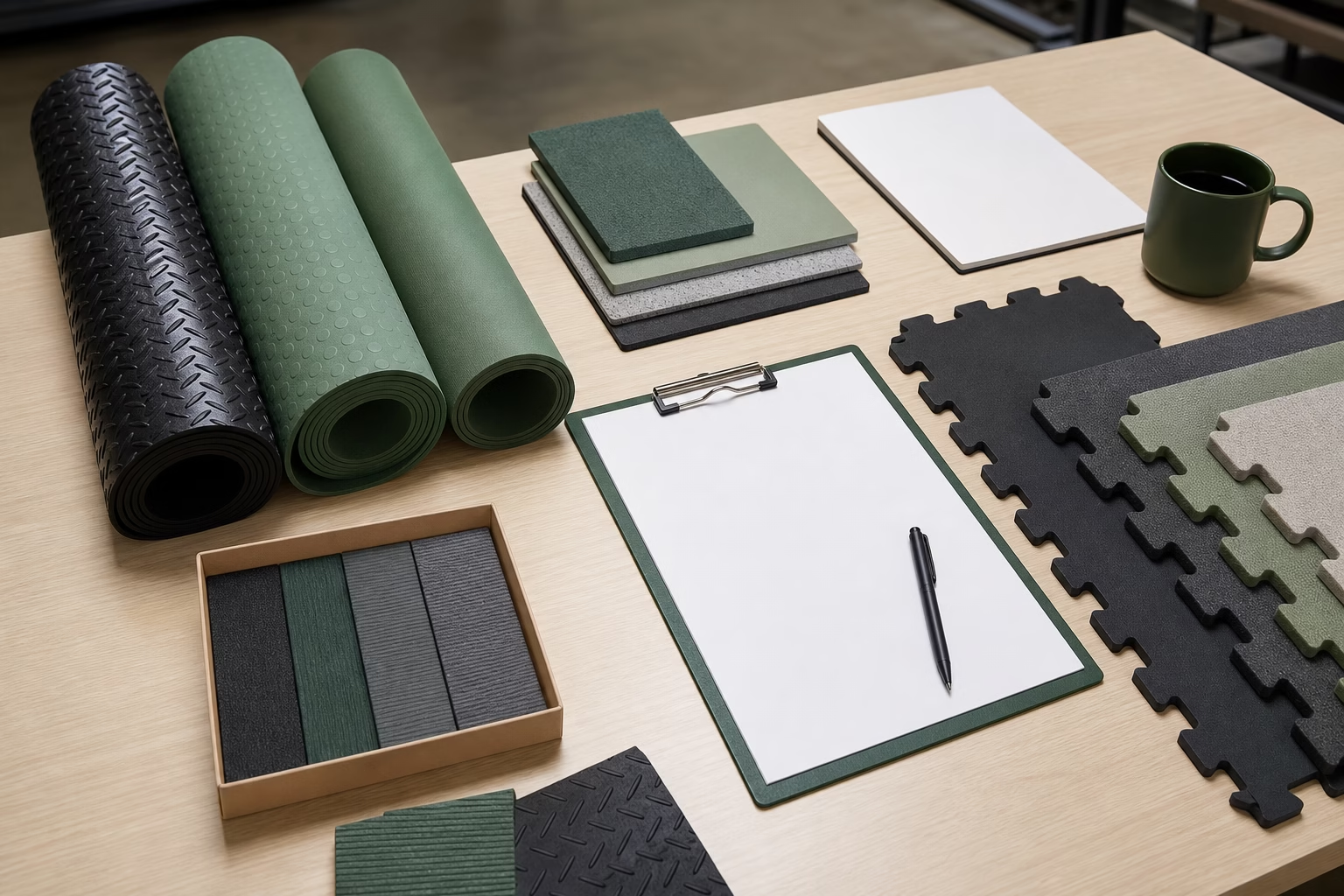
Turn Performance Requirements into a Technical Brief
Clear inputs allow our team to compare feasible materials and structures without treating an early concept as a confirmed design. Provide the information that directly affects performance and construction:
Ninghow Mats supports material and structure selection, custom size, thickness and shape development, surface and base matching, and sample development. OEM and ODM product teams can use this process to translate a performance problem into a made-to-order mat specification.
If you are still comparing material families, consult the custom mat material selection guide . It provides a focused review of natural rubber, PORON and microcellular PU foam, silicone, EVA foam and PVC.
The mat’s end use and primary performance requirement.
The surface that will contact the top of the mat.
The surface on which the mat will rest.
Required length, width and overall shape.
Target thickness and desired softness.
Upper-surface requirements.
Base-material or grip requirements.
Cut-outs, custom zones or other shape details.
Edge construction preferences.
Artwork and printing needs, if applicable.
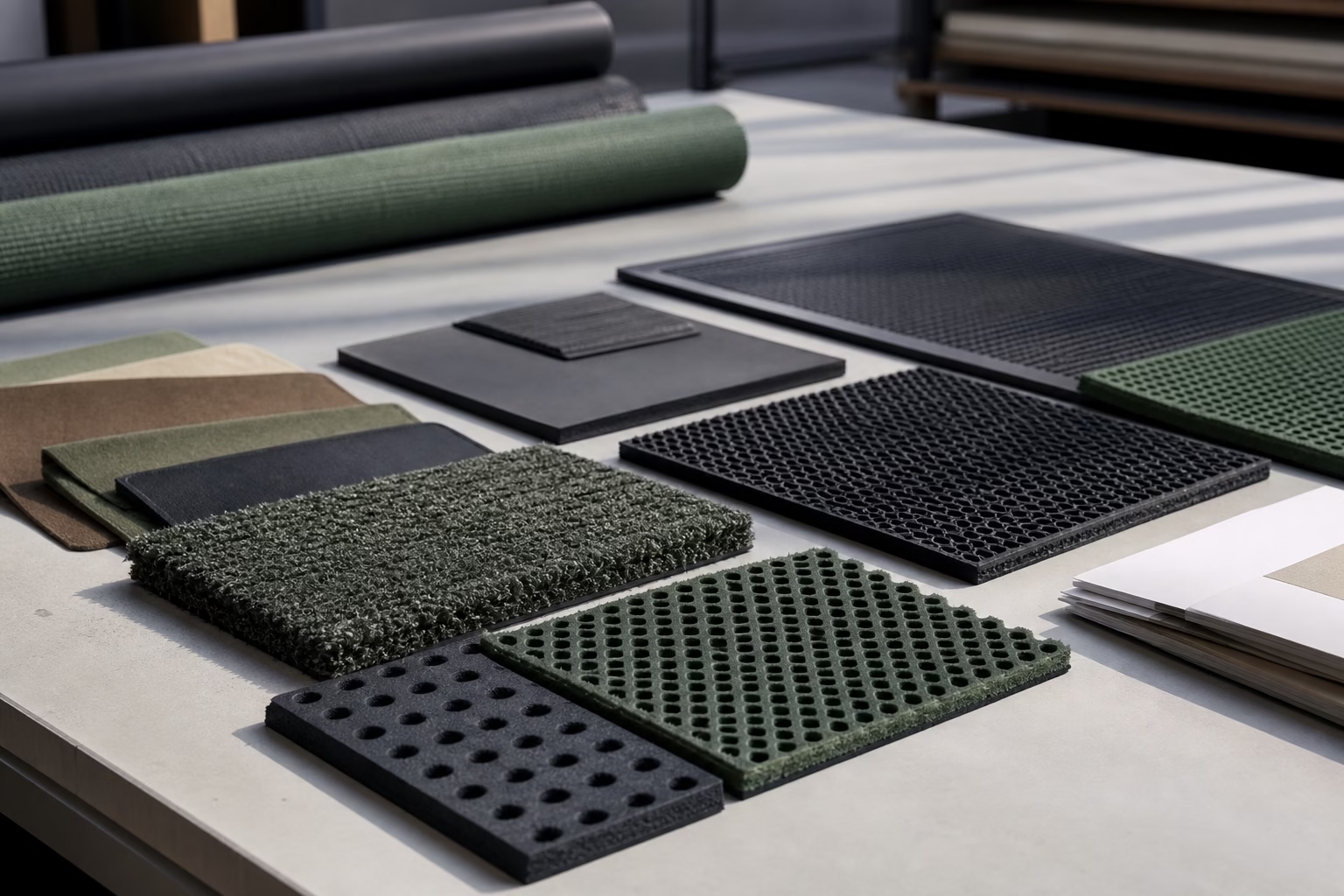
Validate the Proposed Structure Before Bulk Production
A sample provides a physical basis for reviewing the selected materials, dimensions and construction. It should be assessed against the agreed project brief rather than an assumed performance result.
Relevant quality checkpoints can include:
These controls verify specified materials, construction details and appearance. They do not replace project-specific performance testing when a buyer requires a defined resistance rating, grip value or other measurable result.
Ninghow Mats supports sample development and bulk production for custom mat projects. A proposed solution moves forward after the specifications, materials and any artwork are confirmed and the resulting sample is reviewed.
Incoming material inspection.
Dimension and thickness checks.
Appearance review.
Cutting and custom-shape inspection.
Edge-stitching review when stitched edges are used.
Lamination inspection for layered constructions.
Finished-product inspection.
Printing and colour-consistency checks when artwork is included.
Define the Performance Goal for Your Mat Project
Tell us what the mat must do, what surfaces it will contact and which dimensions or structural limits apply. Our team can review the requirement and identify a suitable route for anti-slip performance, cushioning, support, stability or work-surface protection.
Related Information
Custom Mat Manufacturer | Ninghow Mats
FAQ
Frequently Asked Questions
Natural rubber, flexible silicone and PVC anti-slip materials can be considered when grip is a primary requirement. Selection depends on the supporting surface, flexibility, dimensions, upper-surface requirements and whether the structure also needs cushioning or support.
Cushioning concerns the softer layer between a contact area and its supporting surface. Support concerns how the structure holds the intended contact zone. Surface stability depends on how the upper surface, supporting layer and base work together. One construction may address all three, but each requirement should be defined separately.
Yes, a project can be developed around several performance needs. A surface-core-base approach can combine an upper working surface, a cushioning or support layer and a base selected for grip. The exact material pairing remains subject to end-use review and sample validation.
Provide the end use, contact surfaces, dimensions, thickness, desired softness, upper-surface requirements, base requirements, shape, edge construction and any printing needs. It is also important to state which performance requirement is primary.
Yes. We support OEM and ODM product development, including material and structure selection, custom dimensions, thickness and shape development, surface and base matching, artwork review and sample development. The proposed structure is reviewed against the project specification before bulk production.
Start Your Project
Discuss Your Custom Mat Product Requirements
Share your product concept, drawing, reference sample, target quantity, branding and packaging requirements. The NINGHOW MATS team will review feasibility and prepare the next project step.