Custom Mat Resources for Clearer B2B Project Planning
Ninghow Mats is Ninghow’s specialized custom mat division. We provide practical sourcing information and product references for procurement teams, product developers, brand owners, importers and distributors preparing made-to-specification mat projects.
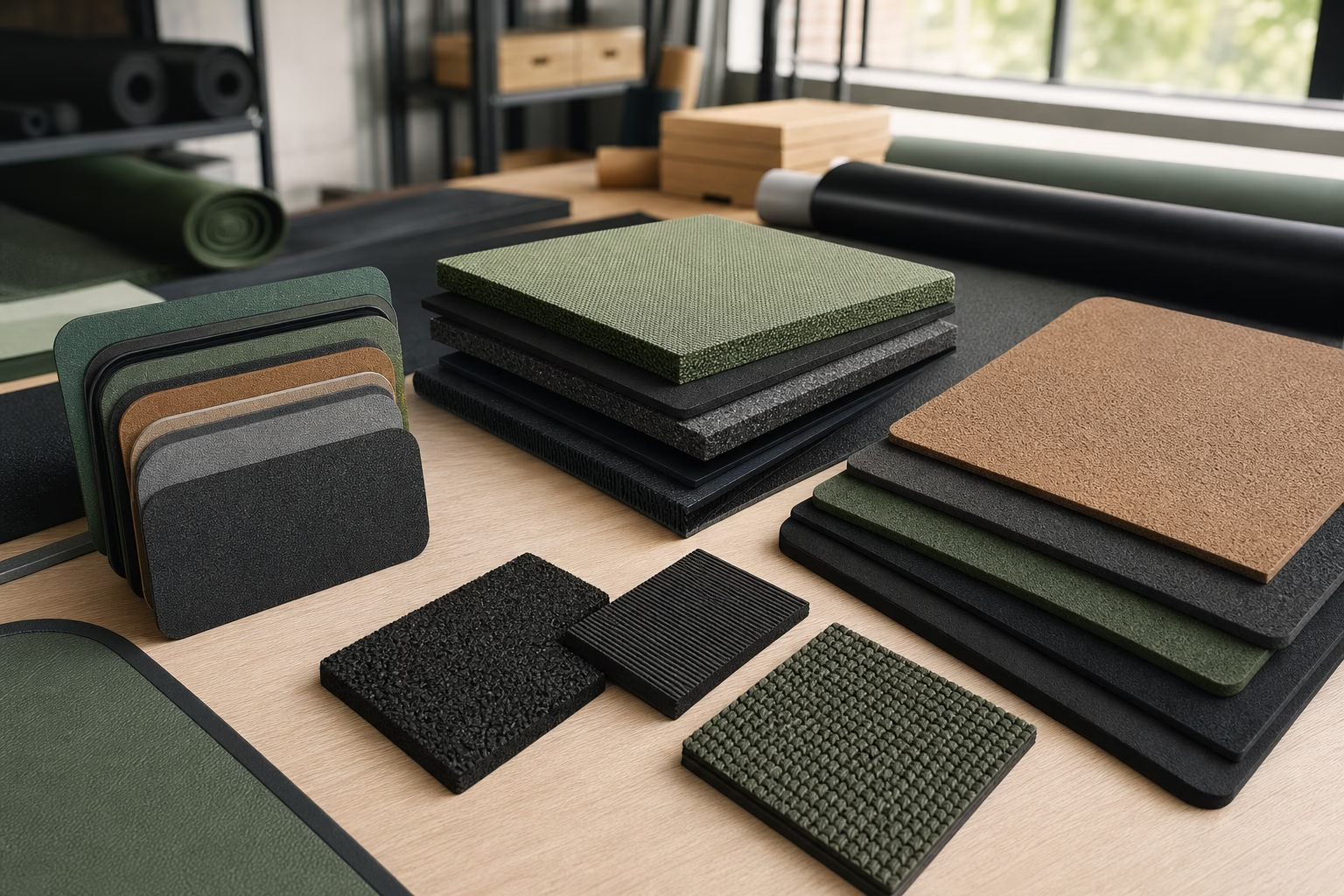
Choose a Resource Based on Your Current Project Stage
The right starting point depends on what you already know. An early-stage project may begin with the end use and required performance. A developed project may need a structured specification or an order plan instead.
You Know the End Use but Not the Material
Question to resolve: Which material family may suit the required grip, cushioning, flexibility or support?
Recommended resource: Custom Mat Material Selection Guide
You Have a Product Concept or Reference Sample
Question to resolve: Which dimensions, layers, surfaces, edges and branding details must be defined?
Recommended resource: Custom Mat Design and Specification Guide
You Have a Draft Specification and Expected Quantity
Question to resolve: Which sample, approval and production-planning questions remain?
Recommended resource: MOQ, Samples and Production Lead Times
You Want to Review Available Product Formats
Question to resolve: Which product family provides a useful starting reference?
Recommended resource: Custom Mat Product Catalog
Narrow the Material Options Before Requesting Samples
Material selection should begin with the job the mat must perform. Consider the contact surface, required grip, cushioning or support, flexibility, surface stability, product format and intended use. The selected material must also work with the proposed thickness, surface layer and overall structure.
Can be used as a base where anti-slip performance, cushioning or support is required.
Support projects that need controlled softness, support or surface stability.
Supports flexible and anti-slip structures for consumer, ergonomic, commercial and specialized applications.
Provide lightweight and cost-oriented options for promotional, consumer and general-purpose products.
Turn the Product Idea into a Usable Mat Specification
A clear specification connects the intended use with measurable product details. It reduces uncertainty when materials, samples, artwork and packaging are reviewed.
Product Format and End Use
State where and how the mat will be used.
Dimensions and Shape
Provide length, width, profile and any shaped areas or cut-outs.
Thickness and Softness
Describe the required feel and structural support rather than relying only on a product name.
Surface and Base
Identify the required top surface, contact surface and any anti-slip or support function.
Layered Structure
Note how the surface, core and base should work together.
Edge Construction
Indicate whether the design requires a defined edge treatment or stitched-edge construction.
Artwork and Branding
Prepare the logo, pattern, print area, orientation and color references.
Packaging
Describe retail, private-label or shipping presentation requirements relevant to the project.
Prepare the Commercial Questions That Affect Order Planning
Order planning begins after the product direction is reasonably clear. Quantity, sample goals, material confirmation, artwork readiness and approval responsibilities can all affect how a project moves from research to production review.
Before discussing an order, prepare answers to these questions:
MOQ, sample timing, production scheduling and commercial terms depend on project details. Review the order planning guide when you are ready to assess those project-dependent factors and prepare a more complete procurement discussion.
What product or reference format is being developed?
What quantity is expected for the initial order?
Which material, structure and dimensional details are confirmed?
What must the sample prove or allow your team to approve?
Is production artwork ready, and who will approve its placement and appearance?
Are labels, retail packaging or shipping packaging part of the brief?
Which internal approval steps must occur before production can proceed?
Use the Product Catalog to Find a Starting Format
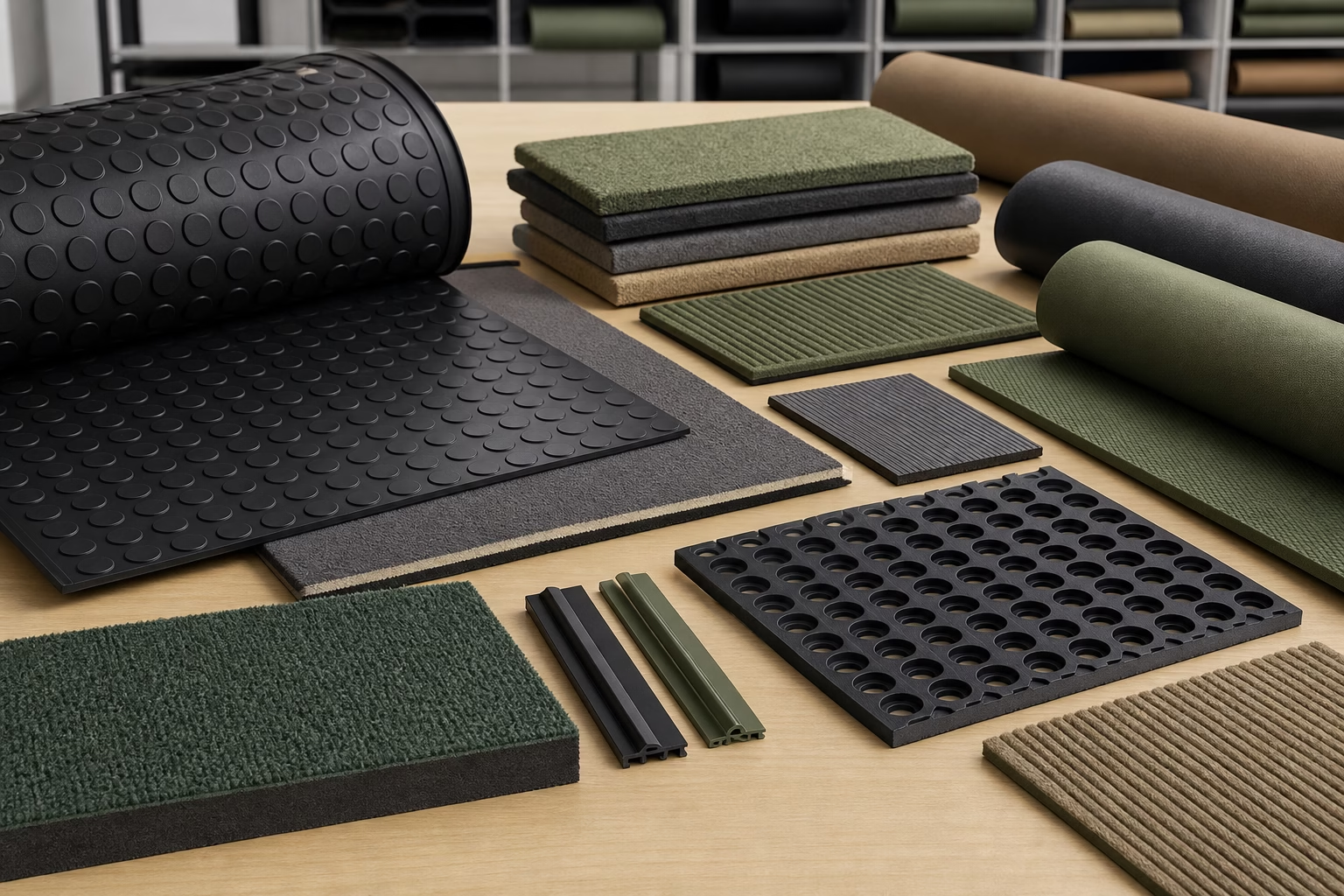
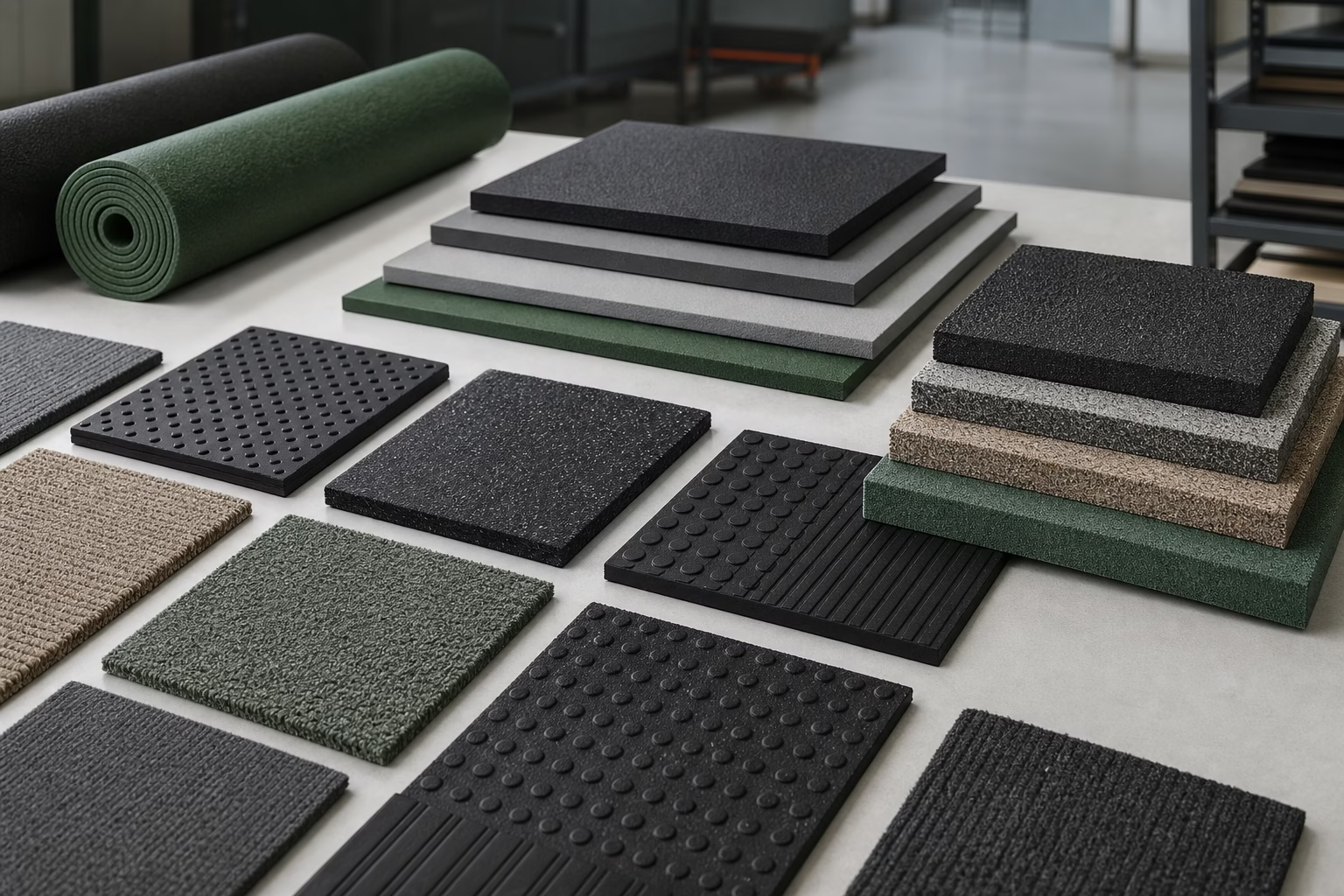
A catalog is useful when you need to compare product families or show colleagues a reference format. It can help identify the broad product direction before detailed material and construction work begins.
The custom mat product catalog covers:
The catalog is a product reference, not a substitute for a project-specific review. Two mats in the same family may require different dimensions, surfaces, bases, thicknesses, edge constructions, artwork or packaging. After choosing a reference format, use the material and specification guides to define the actual product.
Standard, gaming, ergonomic and extended mouse pads and desk mats.
Yoga, exercise, Pilates, stretching and fitness training mats.
Tool, magnetic tool, workbench, maintenance and assembly mats.
Counter, point-of-sale, bar, service and branded commercial mats.
Printed promotional and corporate merchandise mats.
Application-specific mats developed around defined product and end-use requirements.
Common Questions When Researching a Custom Mat Project
Start with the decision that is least clear. Use the material guide if you know the application but have not selected a material. Use the specification guide if you already have a product concept. Choose the order guide when the product direction, expected quantity and approval needs are taking shape. Use the catalog if you first need a reference product.
Define the end use, product format, dimensions, thickness, preferred softness, surface and base requirements, layered structure, shape and edge construction. Include artwork and packaging requirements when they form part of the product. Also state what your team needs to evaluate in the sample, such as fit, feel, structure, print placement or presentation.
The material guide helps compare natural rubber, PORON and microcellular PU foam, silicone, EVA and PVC by their possible roles in a mat. The specification guide covers the complete product definition, including size, thickness, softness, surfaces, base, layers, edges, artwork, branding and packaging.
No. The catalog can identify a product family or starting format, but it does not define the final construction. A project-specific review is still needed to connect the end use with the required dimensions, materials, surfaces, structure, printing and packaging.
Prepare the expected order quantity, sample objective, confirmed and unconfirmed specification points, artwork status, packaging needs and approval process. These details make it easier to assess MOQ, sampling, production planning and project-dependent commercial terms through the order guide.
Move from Research to a Clearer Project Brief
Select the guide that answers your next sourcing question rather than trying to complete every decision at once. Material research can define what to compare, specification planning can organize the product details, and order planning can identify the remaining commercial inputs.
Prepare a design and specification brief
Review MOQ, sample and production planning
Start Your Project
Discuss Your Custom Mat Product Requirements
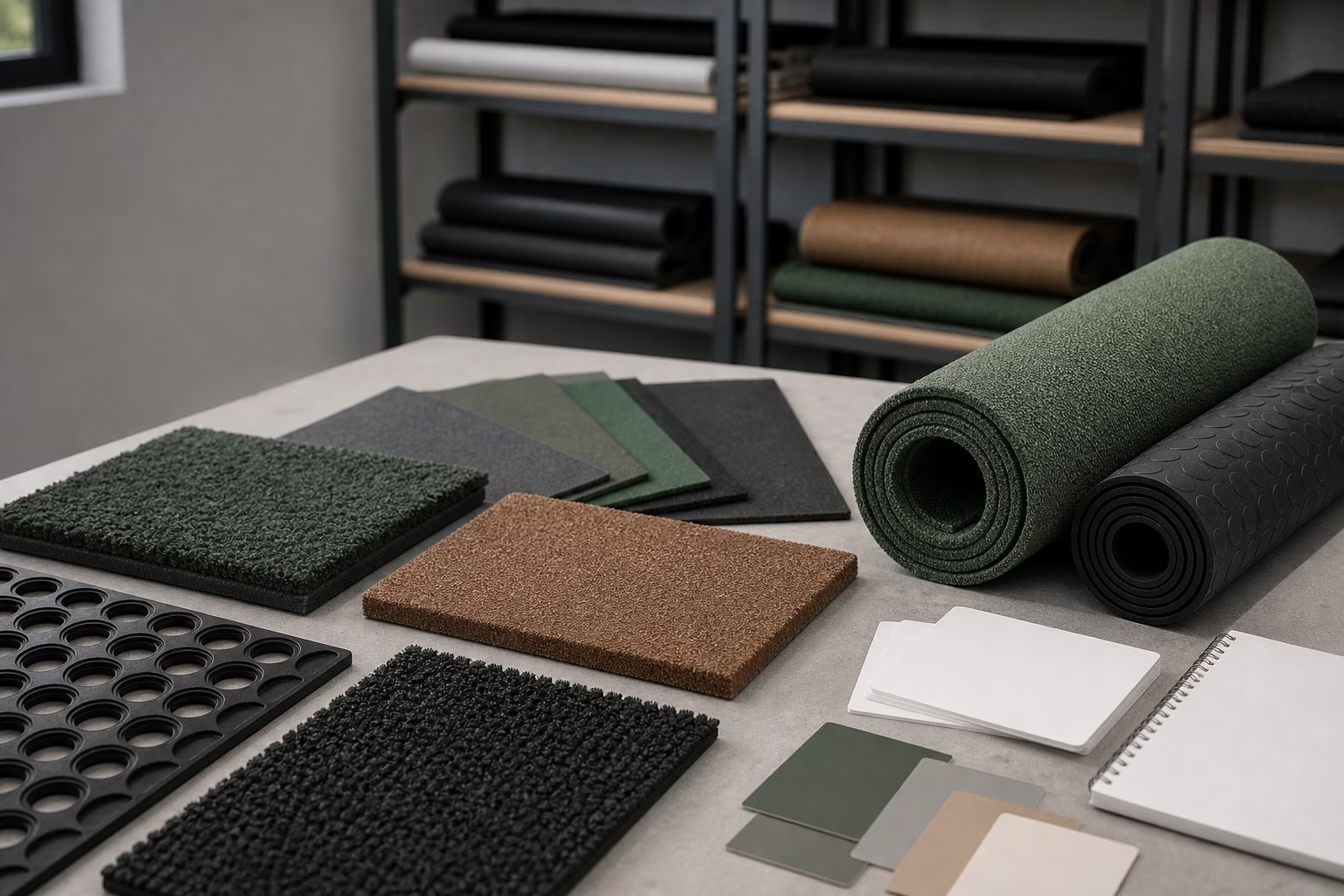
Share your product concept, drawing, reference sample, target quantity, branding and packaging requirements. The NINGHOW MATS team will review feasibility and prepare the next project step.