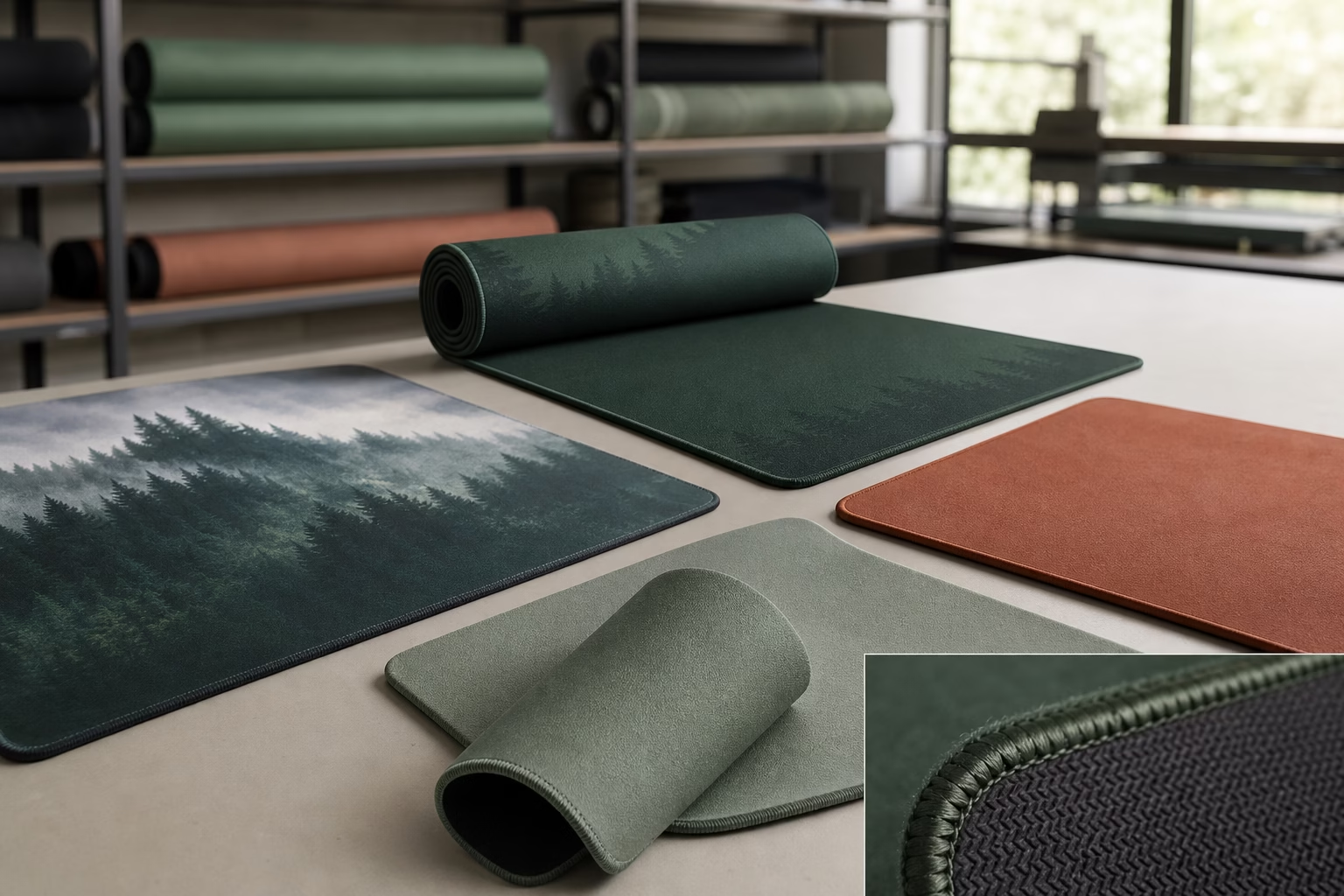
Develop Custom Gaming Mouse Pads for Your Brand
Ninghow Mats develops and supplies made-to-spec gaming mouse pads for gaming accessory brands, esports brands and private label product programs. We help buyers define the surface, base, softness, thickness, dimensions, edge construction, artwork and packaging as one production-ready specification.
Define the Playing Feel Before Choosing Materials
A custom gaming mouse pad starts with a clear description of the required playing feel and product format. Material names alone do not define the finished result. The upper surface, supporting layer, base, thickness and edge construction work together to create the final structure.
Intended Gaming Use
Describe the type of gaming accessory program and the expected user environment.
Target Movement Feel
Explain how you want the surface to feel during mouse movement without relying only on a competitor reference.
Surface Stability
State how firm or flexible the upper area should feel during use.
Base Requirement
Define the expected grip, cushioning and support from the lower layer.
Softness and Thickness
Provide a target, an existing reference sample or a preferred range for development review.
Finished Format
Confirm the required length, width, shape and corner treatment.
Edge Construction
Specify a cut edge or stitched-edge requirement and any visual preferences.
Pair the Gaming Surface and Base as One Construction
The upper surface controls direct contact with the mouse, while the base supports the pad and helps it remain stable on the intended surface. These layers should be evaluated together because changing one layer can affect the feel, softness, thickness and stability of the complete product.
Upper Surface
What to define: Required texture, feel, print area and visual finish
Why it matters: The surface affects mouse contact and carries the main product artwork.
Supporting Layer
What to define: Required softness, firmness and structural support
Why it matters: The supporting layer contributes to the overall feel and thickness.
Base
What to define: Desk surface, grip requirement and preferred material
Why it matters: The base influences how the pad sits and remains stable during use.
Lamination
What to define: Layers to be combined and required finished structure
Why it matters: Layer compatibility affects production and the integrity of the finished construction.
Sample Reference
What to define: Target sample, comparison product or written feel description
Why it matters: A physical or clearly defined reference supports a more focused evaluation.
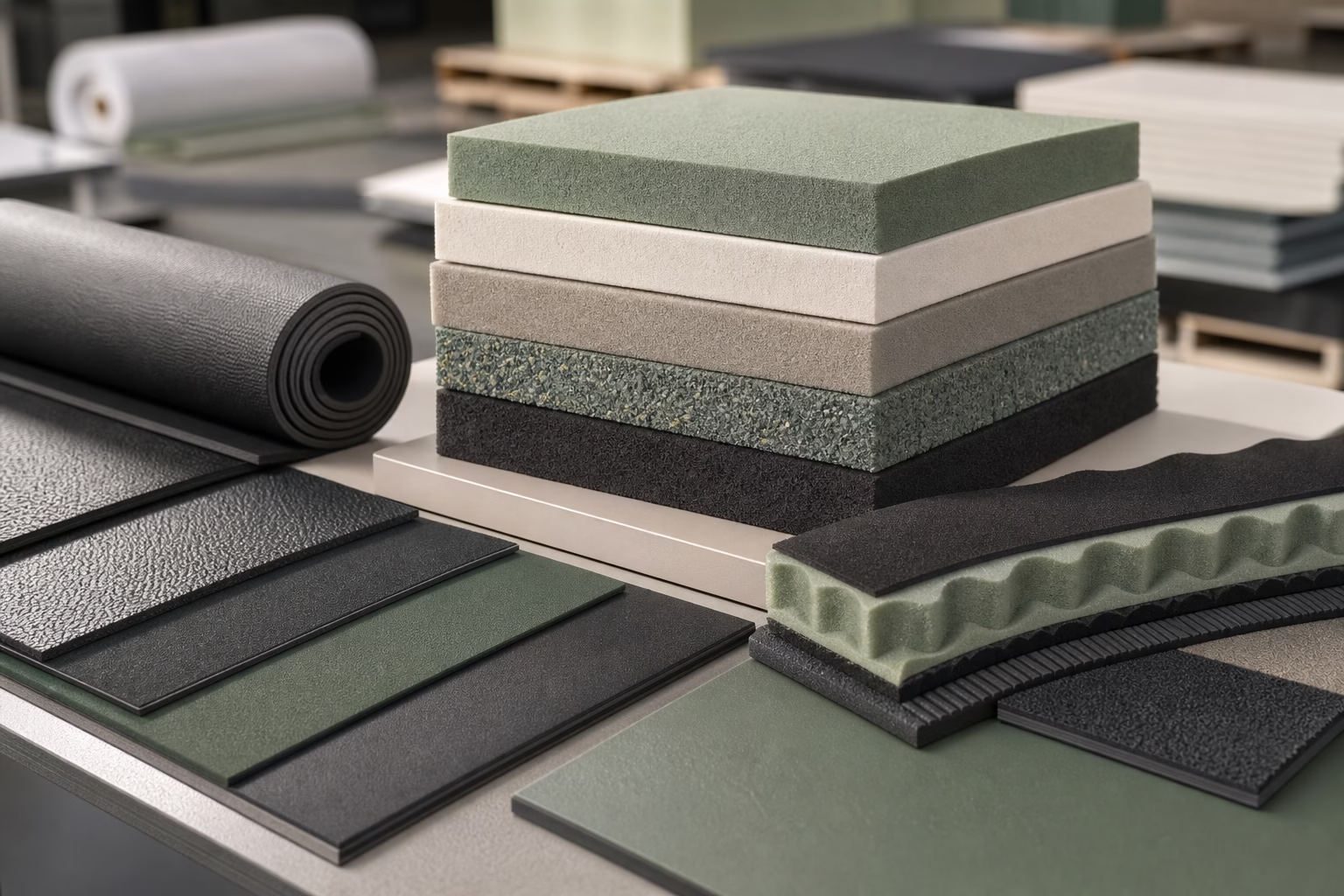
Control Softness, Thickness and Structural Support
Thickness and softness are related, but they are not interchangeable. Two gaming mouse pads with similar thicknesses may feel different when their supporting materials, density, surface layer or laminated construction changes.
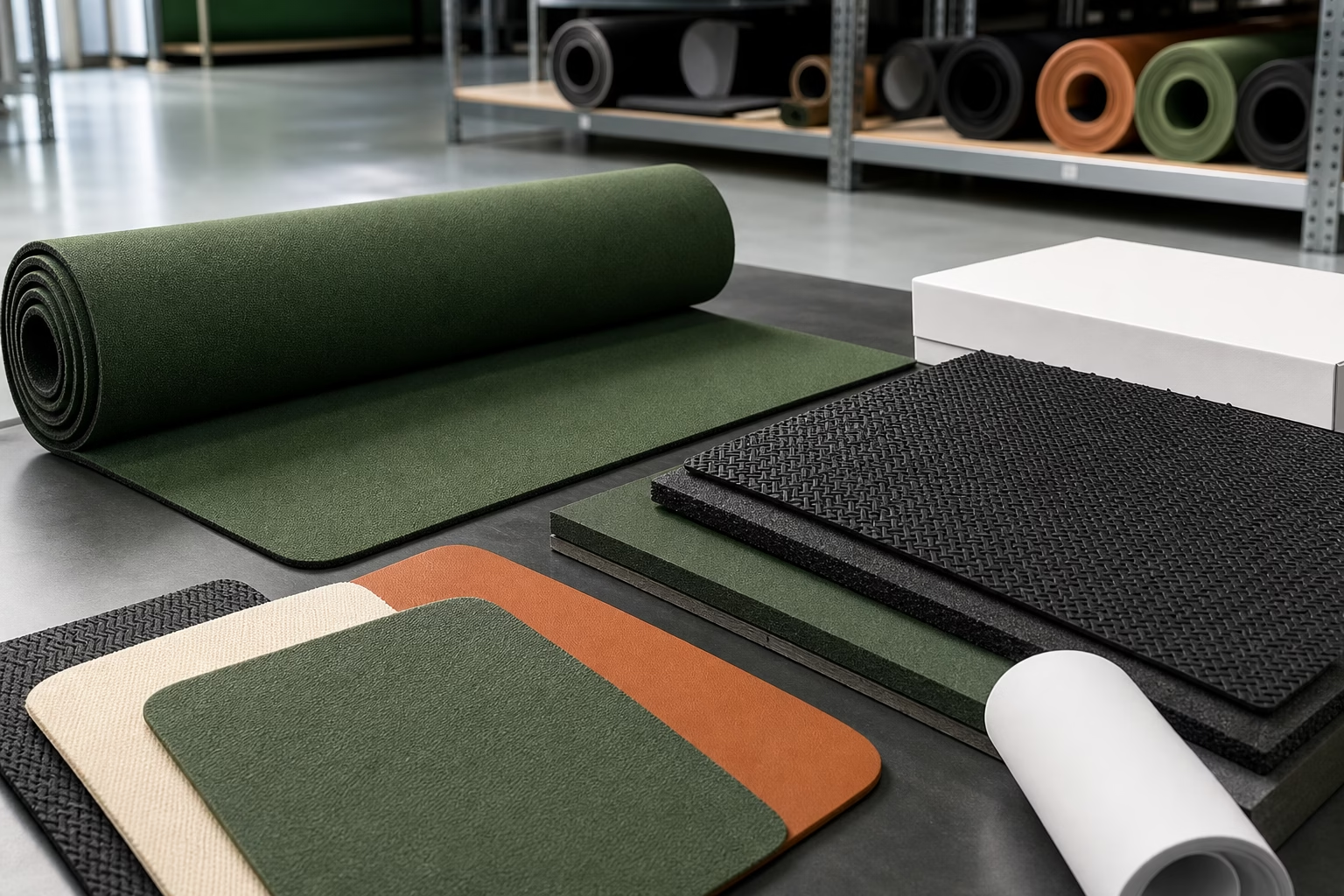
During development, we assess the target thickness together with the preferred surface and base. Natural rubber can be considered where base grip, cushioning and support are part of the brief. PORON and microcellular PU foam can be assessed for controlled softness, support and surface stability. Silicone, EVA foam and PVC materials may also be reviewed where their verified properties fit the intended construction.
A useful specification describes the desired result rather than naming a thickness without context. Tell us if the product should feel softer, firmer, more flexible or more structurally supported than your reference. Our team can then recommend material and layer combinations for sample evaluation. Final selection should be based on the approved construction rather than a universal recommendation, because dimensions, material pairing and edge design can change the finished feel.
Specify Gaming Dimensions, Shape and Edge Finish
Gaming mouse pad dimensions should provide the required mouse-use area while fitting the intended product format and packaging plan. Supply the finished length and width, corner design and any custom outline in your drawing or specification file.
Available production processes include laser cutting, die cutting and custom shaping. The suitable cutting route depends on the material, construction, shape and order requirements. Simple outlines and detailed custom shapes may require different production reviews, especially when the artwork must align with a defined cut line.
Cut and Stitched-Edge Options
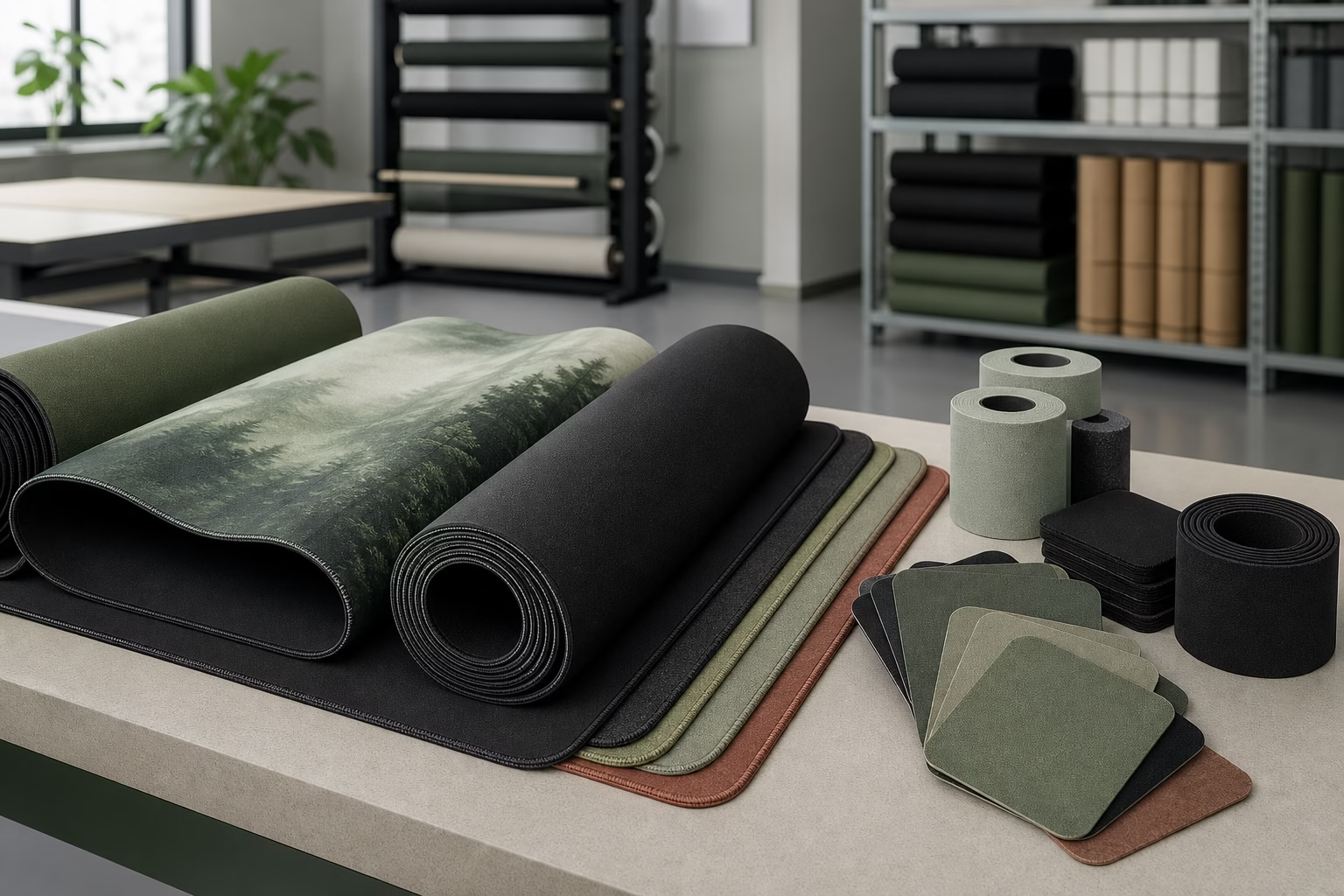
A cut edge can support designs that do not require stitching. Stitched-edge finishing adds a defined textile edge around compatible constructions. Stitch colour, corner treatment, artwork clearance and the relationship between the seam and printed design should be reviewed before sampling.
Computerized edge-stitching equipment supports repeat production, but stitch feasibility still depends on the selected materials, thickness and shape. Tight curves, unusual outlines and layered structures need project-specific review. Include a drawing and indicate where the seam should sit in relation to logos, borders and other artwork elements.
Prepare Artwork for Printing and Colour Review
Gaming mouse pad artwork may include team branding, logos, patterns, product graphics or full-surface visual designs. A production-ready file should show the final layout, print area, cut line, edge allowance and any elements that must remain clear of stitching.
Our printing resources include wide-format high-precision digital printing and industrial continuous roller heat-transfer processing. The production route is selected according to the surface material, artwork and required construction. We review supplied files before sample preparation to identify layout, resolution, colour-reference and finishing issues that could affect production.
Information to Include with Your Artwork
Editable artwork or a production-ready high-resolution file.
Finished product dimensions and artwork scale.
Defined print area, bleed and cut line.
Logo placement and minimum clear space.
Colour references for important brand colours.
Stitch line or edge allowance where applicable.
Written notes for elements that must not be moved or cropped.
Colourimeters are used for colour-difference measurement, with a Delta E below 1.5 colour-control target. This is a production control target rather than a promise that every colour displayed on a screen will reproduce identically on every material. Surface texture, printing method and material colour can influence the visible result. Important colours should therefore be reviewed on the selected sample construction.
See our custom mat printing and branding service for more information about artwork review, digital printing, heat transfer and colour control.
How OEM Gaming Mouse Pad Development Works
Ninghow Mats supports OEM and ODM product development, private label manufacturing, material selection, custom sizing, artwork development, sample preparation, branding and packaging. For gaming brands, the development process turns a performance and visual brief into an approved product specification for bulk production.
Submit the Product Brief.
Provide intended use, dimensions, target thickness, softness, preferred surface and base, edge construction, quantity and packaging needs.
Review Materials and Structure.
We assess the requested surface, supporting material, base and lamination against the intended construction.
Confirm Artwork.
The print layout, colour references, cut line and stitched-edge allowance are checked before sample preparation.
Develop the Sample.
Sample development is typically completed in 3–5 days after specifications, materials and artwork are confirmed.
Evaluate and Approve.
The buyer reviews dimensions, feel, construction, printing, colour, cutting and edge finish against the agreed brief.
Production planning begins after sample approval and order confirmation.
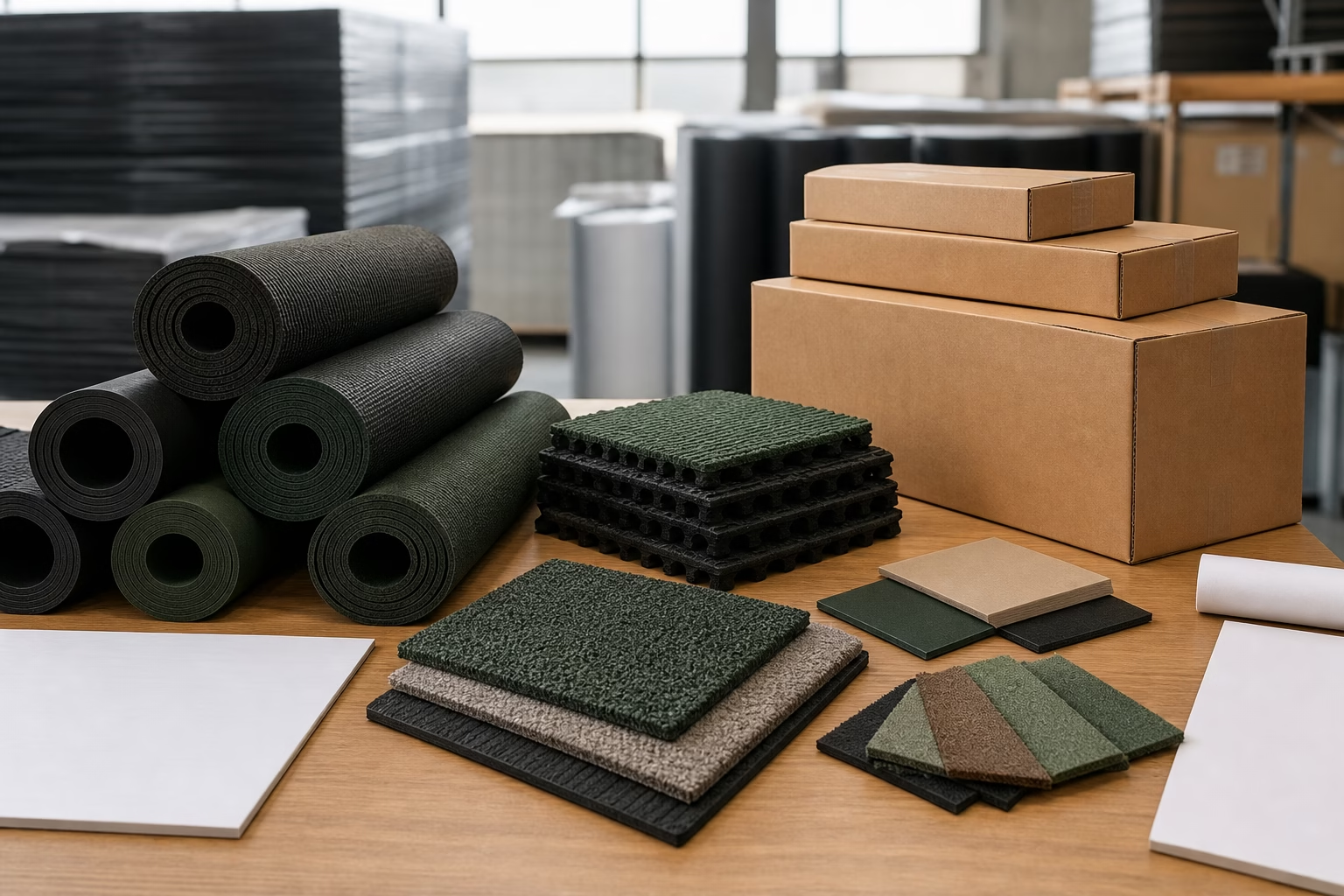
Plan Quantity, Packaging and Production Timing
Order requirements depend on the gaming mouse pad material, dimensions, construction and level of customization. Unusual shapes, complex edge stitching, multiple artwork versions or customized packaging can also affect the final order plan. Quantity and commercial terms are confirmed after the specification has been reviewed.
Bulk production is typically completed in 12–18 days after sample approval and order confirmation. Final timing depends on the product specification, order quantity and customization requirements. This timing begins only after the sample and order are confirmed, not when an initial enquiry is received.
Standard export packaging is supported. We also develop customized private label, retail and shipping packaging according to project requirements. Your packaging brief should identify the sales channel, unit presentation, label content, pack quantity and any supplied brand artwork. Packaging must be reviewed with the product dimensions because the finished mat format and packing method affect the complete order plan.
For a broader explanation of quantity, sample and scheduling variables, consult our MOQ, samples and production lead times guide .
Quality Checks for Repeat Gaming Mouse Pad Orders
Gaming mouse pad quality control must connect the approved material, construction and artwork with the finished product. Ninghow Mats applies inspection across incoming materials, production stages, finished products and packaging.
Relevant checkpoints can include:
Quality and compliance resources include ISO9001, RoHS and REACH test reports. Document availability and relevance should be confirmed for the material and project in question; these resources do not mean that every finished gaming mouse pad automatically carries a specific certification.
For repeat programs, buyers should identify the approval references and inspection points that matter most to the product. These may include a signed sample, confirmed dimensions, target thickness, artwork file, colour reference, stitch requirement and packaging specification. Keeping these references connected reduces ambiguity when the same design moves into later production orders.
Incoming surface, support and base materials.
Finished length, width and thickness.
Product appearance and surface condition.
Printing layout and colour consistency.
Cut shape and corner treatment.
Stitched-edge position and appearance.
Lamination of the selected layers.
Finished-product presentation.
Packaging against the confirmed packing requirement.
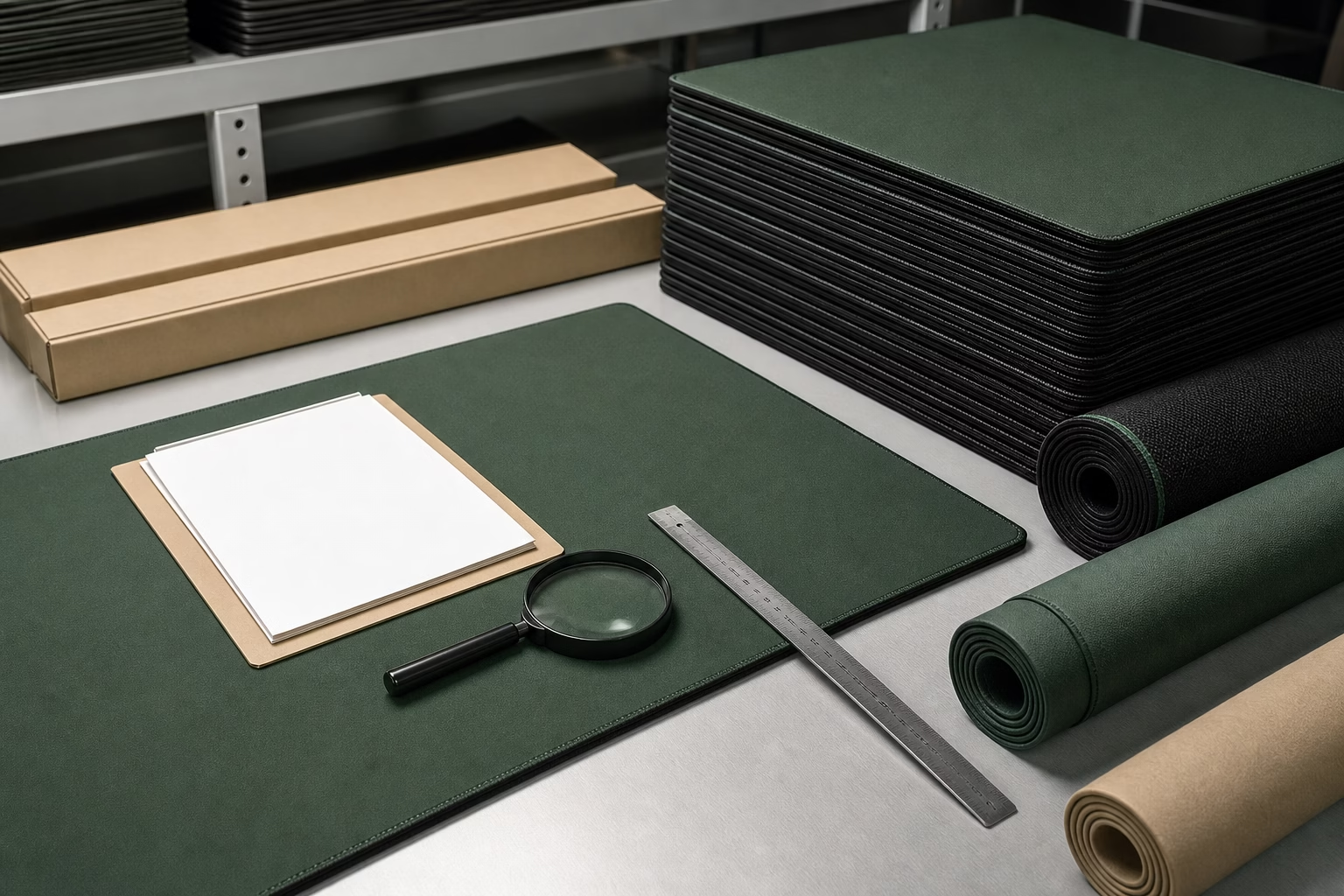
Send a Complete Gaming Mat Specification
Ninghow Mats supplies made-to-specification gaming mouse pads for gaming accessory and esports brands. A complete request allows our team to assess the material structure, printing route, finishing method, sample plan and order requirements together.
Include the following information in your request:
Upload the available files with your enquiry. If the material combination is not yet decided, describe the intended feel and provide a reference so we can recommend options for sample review.
Intended gaming use and target user.
Finished dimensions and shape drawing.
Target thickness, softness and structural feel.
Preferred surface, supporting layer and base.
Cut or stitched-edge construction.
Expected order quantity.
Artwork and important colour references.
Branding, label and packaging requirements.
Reference sample details, if available.
Required compliance documents for project review.
Start Your Gaming Mouse Pad Project
Send your product specification, artwork and quantity requirement for a manufacturing review. We will assess the proposed surface, base, thickness, edge construction, printing and packaging before confirming the sample and quotation route.
FAQ
Frequently Asked Questions
We develop gaming mouse pads with customizable surface materials, base materials, softness, thickness and edge construction. Supported material families include natural rubber, PORON and microcellular PU foam, silicone, EVA foam and PVC anti-slip materials. The suitable combination depends on the intended feel, dimensions, printing method, edge construction and packaging format, so material selection is confirmed through project review and sampling.
Start by defining the desired surface feel, base grip, cushioning, stability and overall firmness. Then provide the intended use and any physical reference sample. We review the surface and base as one structure because lamination, thickness and support layers can change how the finished pad feels. Sample evaluation is recommended when the requirement cannot be confirmed from a material description alone.
Provide the intended gaming use, dimensions, shape, target thickness and softness, preferred surface and base, edge requirement, order quantity, artwork, colour references and packaging needs. A reference product or material sample can also support the review. Sample preparation begins after the specifications, materials and artwork are confirmed.
Yes. Manufacturing supports laser cutting, die cutting, custom shaping and computerized stitched-edge finishing. The selected route depends on the material, thickness, outline and artwork. Shapes with tight curves or complex printed borders require review to confirm how the cut line and stitching will work with the construction.
We review the artwork scale, print area, cut line, edge allowance and supplied colour references before sampling. Production resources include wide-format digital printing and continuous roller heat transfer. Colourimeters are used for colour-difference measurement with a Delta E below 1.5 colour-control target, while the selected material and print method remain part of the visual approval.
Order requirements and timing depend on the material, dimensions, construction, customization, quantity and packaging. Sample development is typically completed in 3–5 days after specifications, materials and artwork are confirmed. Bulk production is typically completed in 12–18 days after sample approval and order confirmation, with final timing confirmed for the project.