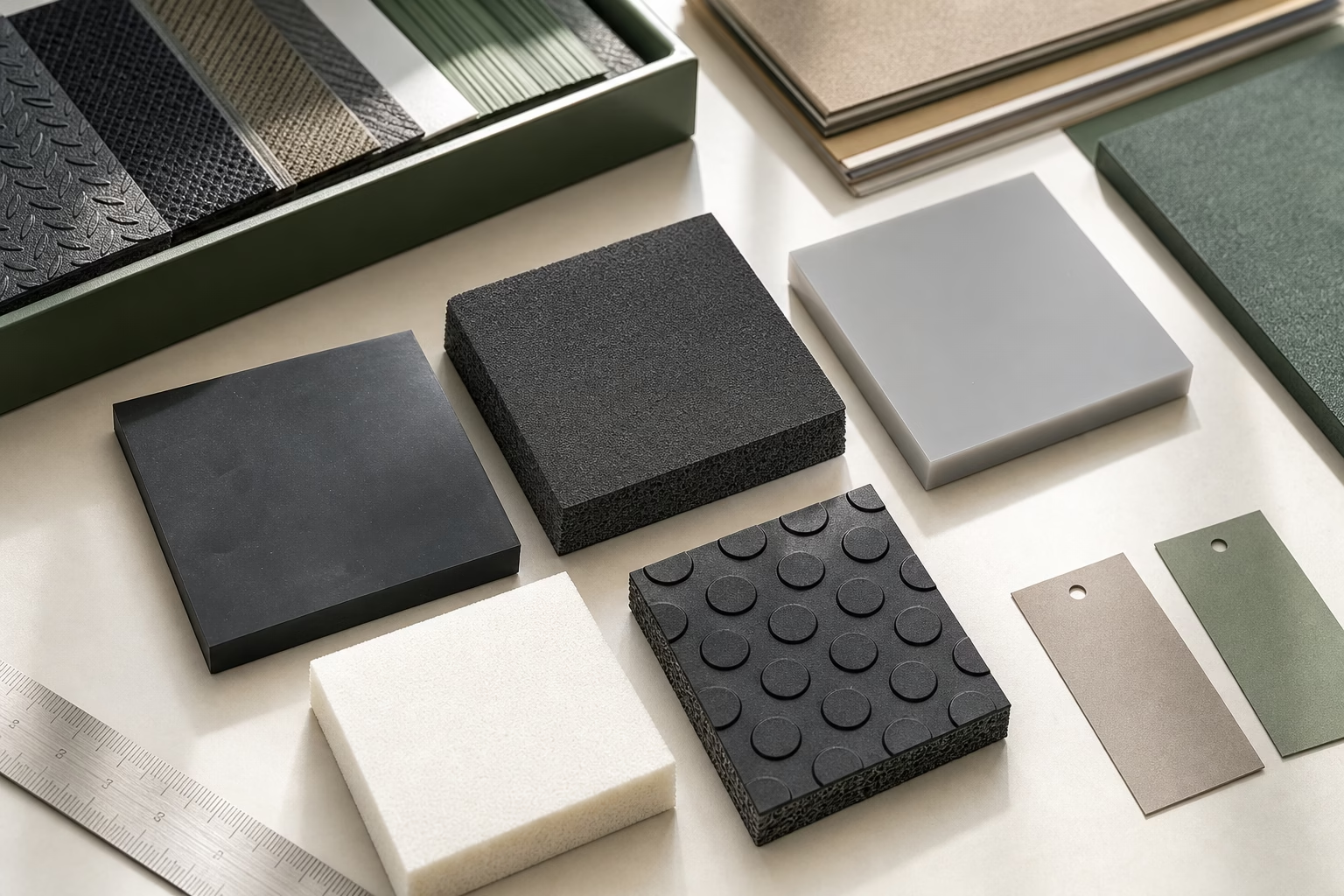
Compare Custom Mats by Material for OEM Programs
Ninghow Mats is Ninghow’s specialized mat division. We supply made-to-order mats using natural rubber, PORON and microcellular PU foam, silicone, EVA foam and PVC materials. Our team works with product developers, brand owners and procurement teams on OEM, ODM and private label programs.
Compare Material Families by Required Mat Function
Natural rubber, performance foam, silicone, EVA foam and PVC serve different roles. A material can form a base, cushioning layer, surface or part of a laminated structure. Final suitability depends on the intended use, dimensions, thickness, surface requirements and complete construction.
Verified characteristics: Anti-slip, cushioning and support
Possible role in a custom mat: Base or structural layer where grip and support are key requirements
Material route: Review natural rubber mats
Verified characteristics: Controlled softness, support and surface stability
Possible role in a custom mat: Foam structure or support layer developed around the required feel
Material route: Review PORON and PU foam mats
Verified characteristics: Flexible and anti-slip
Possible role in a custom mat: Flexible mat construction or anti-slip component for suitable end uses
Material route: Review silicone mats
EVA Foam
Verified characteristics: Lightweight and cost-oriented
Possible role in a custom mat: Foam structure for consumer, promotional or general-purpose requirements
Material route: Review EVA and PVC mats
PVC
Verified characteristics: Lightweight and cost-oriented; PVC anti-slip material is supported
Possible role in a custom mat: General-purpose construction or anti-slip material route, subject to the project specification
Material route: Compare EVA and PVC options
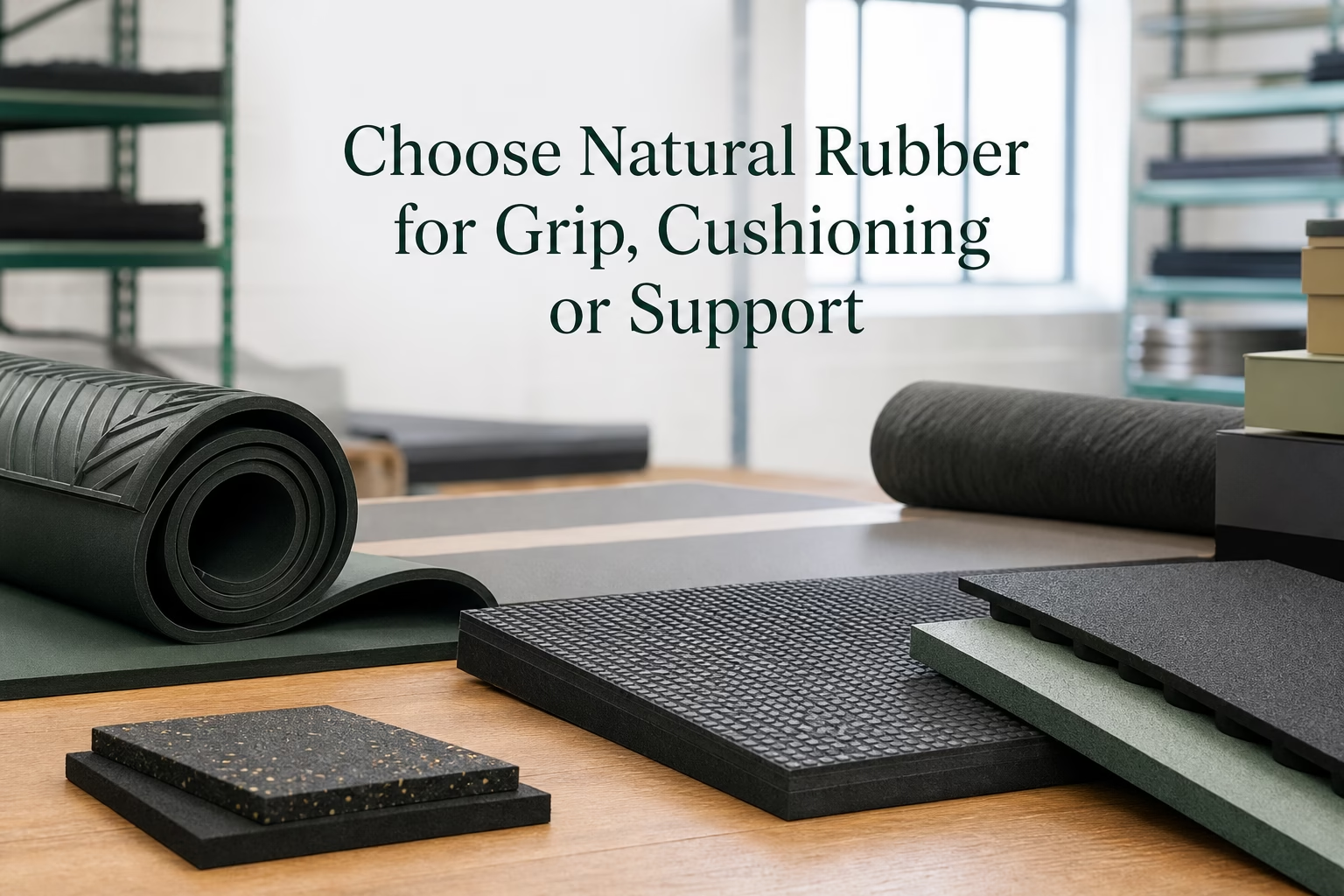
Choose Natural Rubber for Grip, Cushioning or Support
Natural rubber is a material route for custom mats that need anti-slip performance, cushioning or support. It may be considered as a base or structural layer, depending on the surface material and the intended use of the finished product.
A natural rubber decision should cover more than the material name. Product developers should define the required dimensions, thickness, softness, surface role and base role. The mat shape and edge construction may also affect how the rubber structure is converted and finished.
Ninghow Mats supports natural rubber material preparation, lamination, laser cutting, die cutting, custom shaping and stitched-edge finishing where relevant to the selected design. Not every surface and base pairing is suitable for every project, so the proposed structure is reviewed as a complete specification.
See custom natural rubber mats for a closer review of natural rubber bases and development inputs.
Specify PORON or Microcellular PU Foam by Feel and Structure
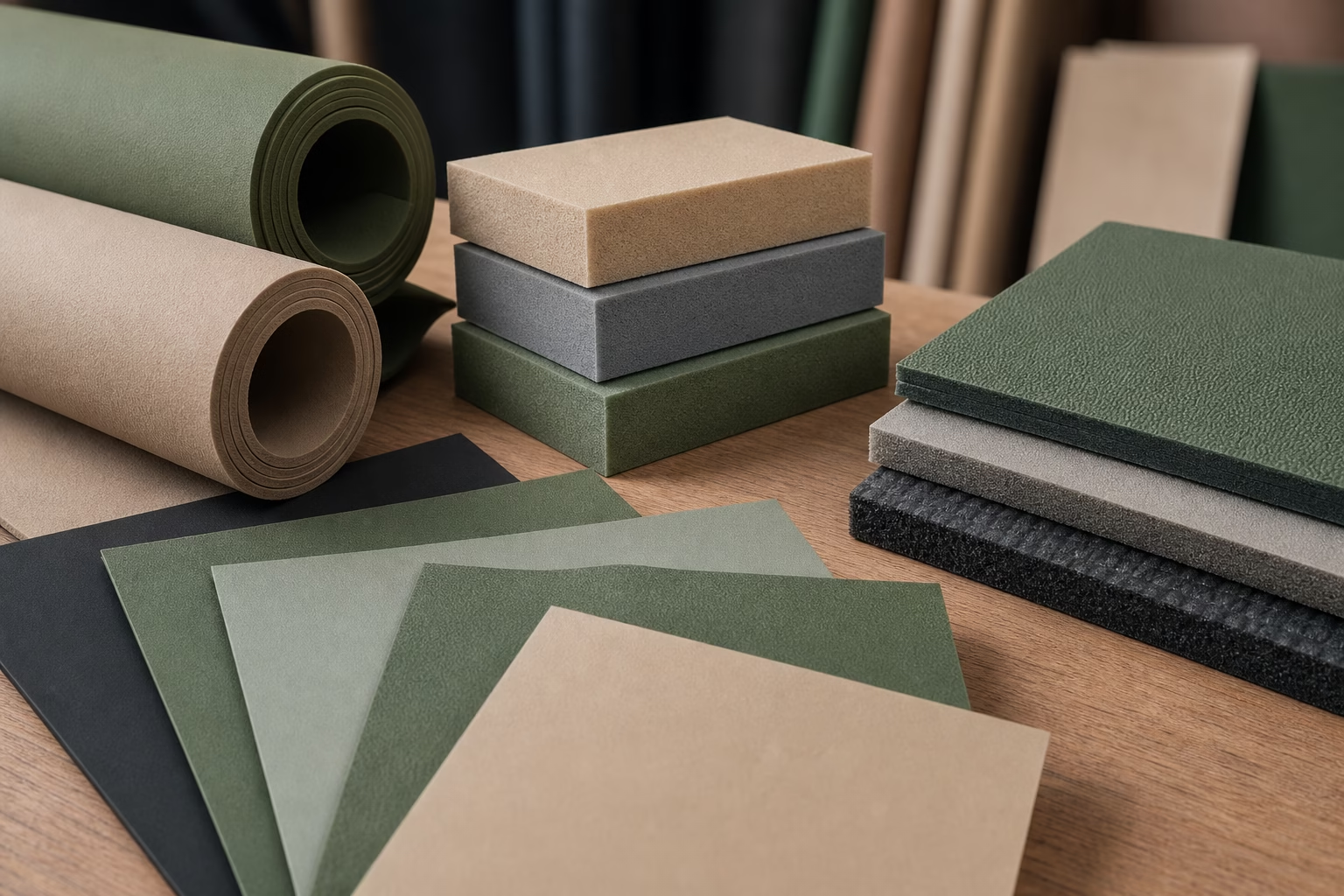
PORON and microcellular PU foam are available for mats that require controlled softness, support or surface stability. These materials are evaluated as part of a structure rather than as a finished product on their own.
The resulting feel depends on factors such as thickness, softness, layer arrangement and the relationship between the surface and base. For this reason, a request for “a soft foam mat” is not enough to define the construction. A useful brief states where support is needed, how the mat will be used and which surfaces it will contact.
Key questions include:
Our team can review these inputs during material and structure development. Visit custom PORON and PU foam mats for the dedicated foam sourcing route.
Should the foam provide general cushioning or support in a defined area?
What overall thickness and softness are required?
Will the foam act as the main structure or as one layer in a laminated construction?
What dimensions and shape must the finished mat follow?
Which surface and base roles must be matched to the foam?
Consider Silicone for Flexible, Anti-Slip Constructions
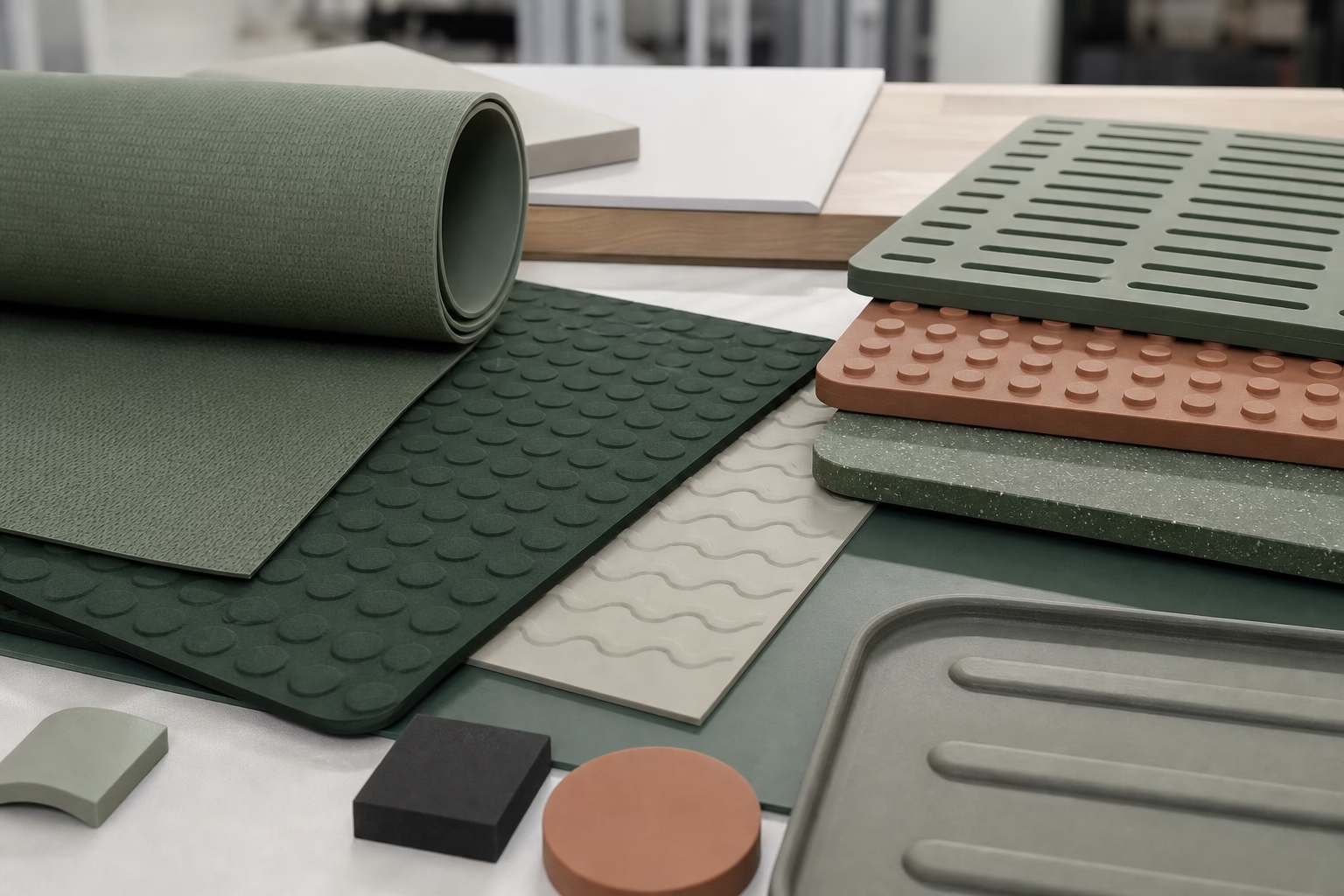
Silicone is a flexible and anti-slip material option for ergonomic, consumer, commercial and specialized mat requirements. Its suitability depends on what the silicone must do within the product and how the finished mat will interact with its intended surface.
When assessing silicone, define its role first. It may be considered as the main flexible construction or as a functional part of a wider mat design, subject to development review. Dimensions, thickness, shape, surface requirements and end use all influence that decision.
Ninghow Mats supports silicone mat development with custom size, thickness and shape planning. Relevant conversion steps can include material preparation, cutting, custom shaping, inspection and packaging. Claims about food contact, medical use, temperature resistance or chemical resistance require separate evidence and are not assumed from the material name.
Explore custom silicone mats when flexibility and anti-slip requirements are central to the project brief.
Compare EVA Foam and PVC Without Treating Them as Identical
EVA foam and PVC are grouped as a practical sourcing route for lightweight and cost-oriented mat constructions, but they are not the same material. EVA foam is supported as a foam option, while PVC anti-slip material is also within our manufacturing scope.
EVA foam may be considered when a lightweight foam structure fits the product brief. PVC may be reviewed for general-purpose or anti-slip material requirements. Final suitability depends on the complete construction, required surface and base roles, dimensions, thickness and intended application.
Cost position must be reviewed against the actual design. A material described as cost-oriented is not automatically the lowest-cost option for every size, structure or finishing requirement. Lamination, custom shaping, printing and edge construction can all affect the production route.
The dedicated EVA foam and PVC mat page covers the questions needed to compare these two options in more detail.
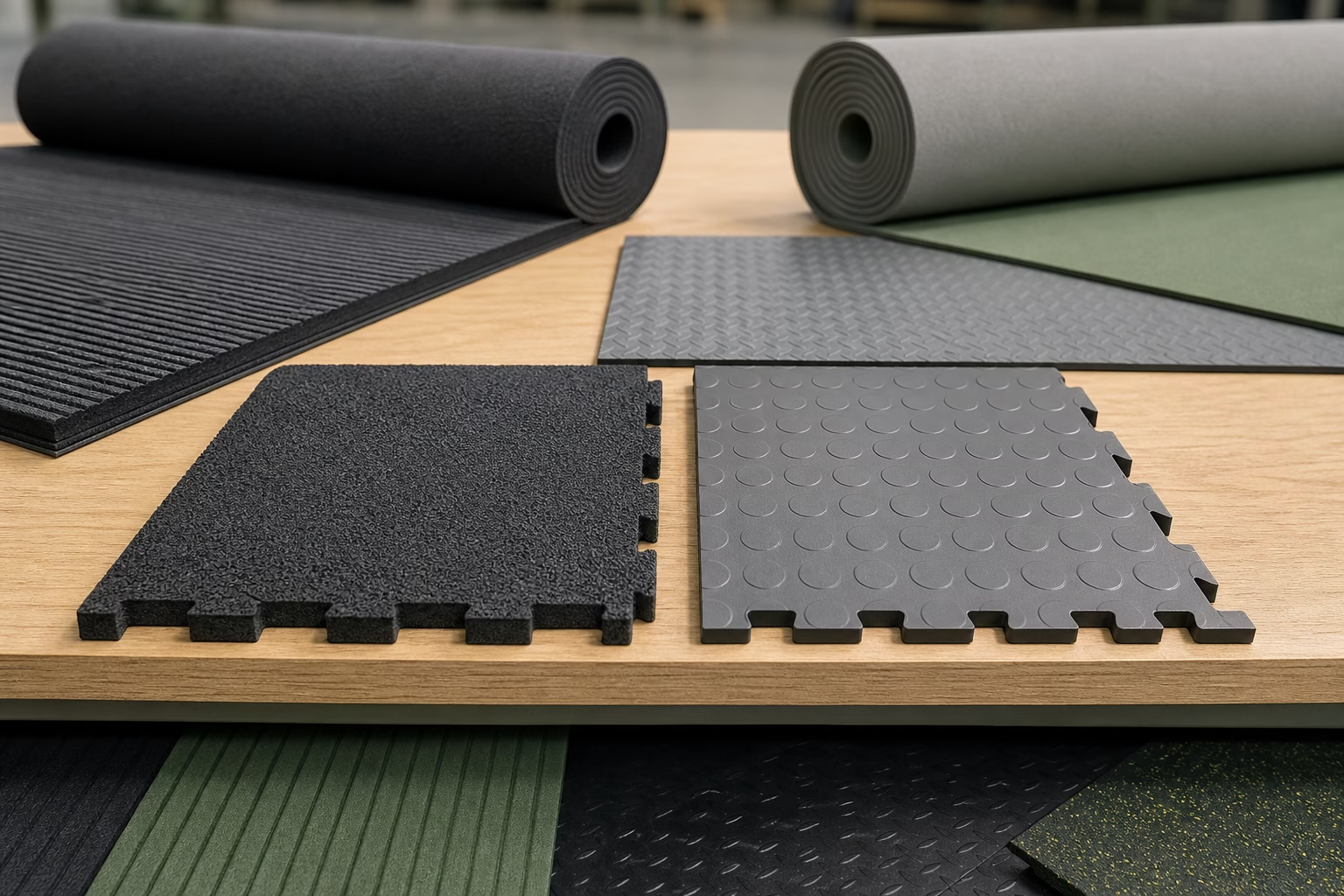
Define What Each Material Does in the Complete Mat
A workable mat specification assigns a clear role to every material. Depending on the design, a material may be evaluated as a surface, base, cushioning layer or part of a laminated structure. This does not mean that every material can be combined in every arrangement.
Surface
Define what the user or product contacts, including the required feel and appearance.
Structural or Cushioning Layer
State the required softness, support and thickness.
Base
Explain the surface on which the mat will sit and whether anti-slip behavior is required.
Layer Connection
Identify whether the proposed design requires lamination or another supported construction route.
Finished Form
Confirm dimensions, shape and any relevant edge requirement.
Develop the Material Structure for Your Brand Program
Ninghow Mats develops custom material mats for product teams preparing OEM, ODM and private label programs. We can review the end use, material role, surface and base relationship, dimensions, thickness, softness and shape before a sample structure is prepared.
Define the End Use.
Explain where the mat will be used and what the construction must achieve.
Compare Material Routes.
Review natural rubber, PORON or microcellular PU foam, silicone, EVA foam and PVC against the required function.
Build the Structure.
Assign surface, cushioning and base roles without assuming that every pairing is suitable.
Set the Physical Specification.
Confirm dimensions, thickness, softness, shape and edge requirements.
Prepare a Sample Brief.
Finalize the materials, structure and any artwork information needed for sample development.
Prepare a Material Recommendation Brief
A useful enquiry explains the product requirement before naming a preferred material. This allows our team to compare the requested function with the available material and conversion routes.
Include the following information:
Material validation can include checks of incoming materials, dimensions, thickness, appearance, lamination and finished products. These checks confirm production details against the agreed specification; they do not replace any application-specific testing that your project may require.
You can select a material page above or send the same brief through the quotation process for a material and structure recommendation.
Intended product and end use.
Required grip, cushioning, support, softness, flexibility or surface stability.
Finished dimensions, thickness and shape.
Expected role of the surface, structural layer and base.
Preferred material, if one has already been selected.
Required quantity.
Artwork or printing needs, if relevant.
Packaging requirements.
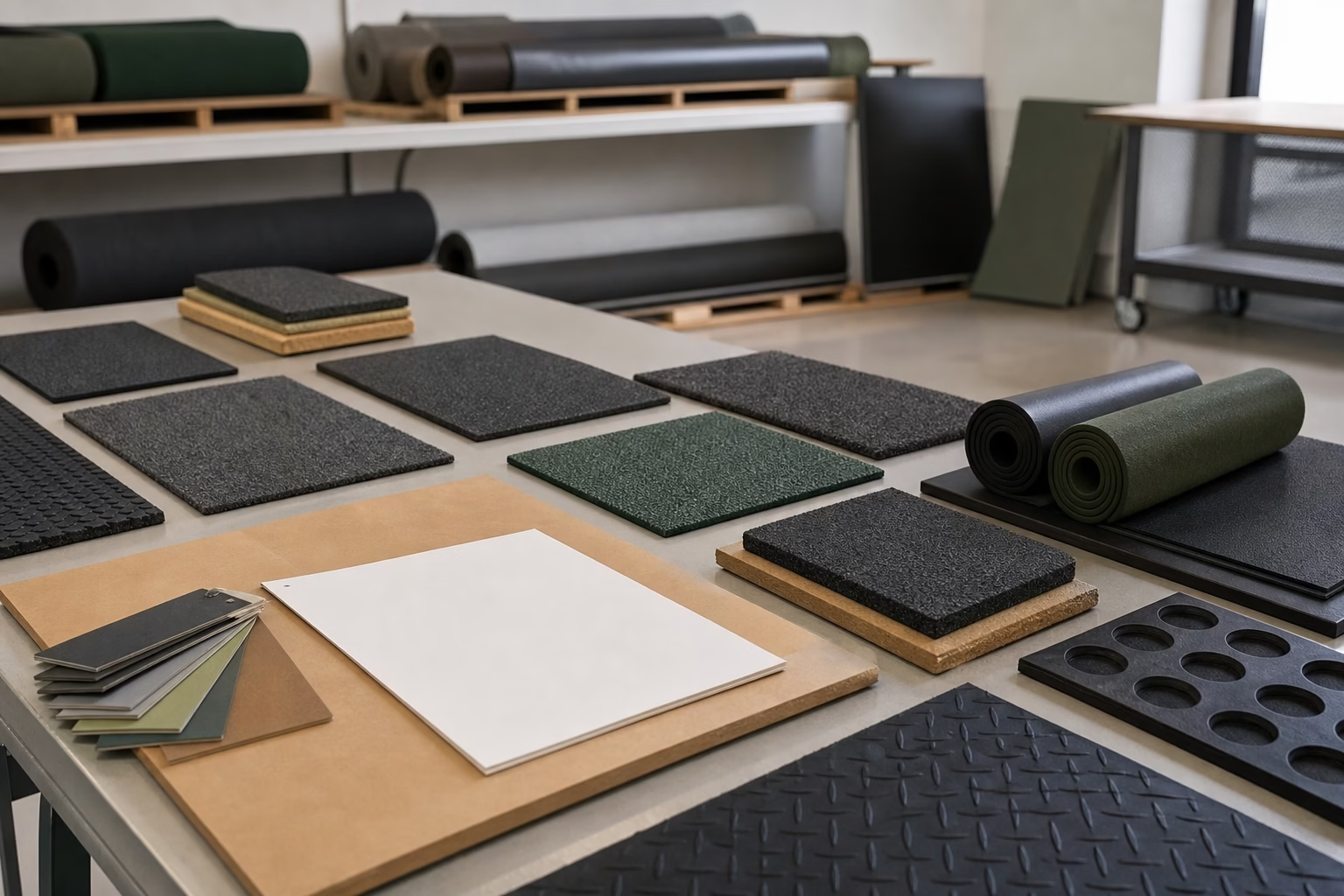
Move from Material Comparison to Project Review
Send your end-use requirements and target construction to Ninghow Mats. We will review the relevant natural rubber, performance foam, silicone, EVA foam or PVC route and identify the information needed for material and sample development.
FAQ
Frequently Asked Questions
Start with the function required from the material. Natural rubber is used for anti-slip, cushioning and support requirements. PORON and microcellular PU foam support controlled softness, support and surface stability. Silicone provides a flexible and anti-slip route. EVA foam and PVC are available for lightweight and cost-oriented constructions, with PVC anti-slip material also supported. The final choice depends on the complete structure and end use.
Natural rubber is commonly evaluated as a base or structural material where anti-slip behavior, cushioning or support is required. PORON and microcellular PU foam are evaluated for controlled softness, support and surface stability. Thickness, softness and layer arrangement must be defined before either route can be compared for a specific product.
Silicone may be suitable when the project requires a flexible and anti-slip construction for an ergonomic, consumer, commercial or specialized use. The review should define the silicone’s role, dimensions, thickness, shape and contact surface. Suitability for regulated or specialized environments requires project-specific evidence.
They share a sourcing route for lightweight and cost-oriented mat projects, but they remain distinct materials. EVA is a foam option. PVC anti-slip material is also supported. Product developers should compare them by construction role, required thickness, surface and base needs, shape and intended use rather than assuming they are interchangeable.
Yes. We support material and structure selection, surface-to-base matching, custom size, thickness and shape development, sample development, branding and packaging customization. The proposed structure is reviewed against the product specification before bulk production planning.
Provide the intended use, required grip or support, desired softness, dimensions, thickness, shape, surface and base roles, quantity, artwork needs and packaging requirements. If you already have a reference material or construction, include it for comparison.