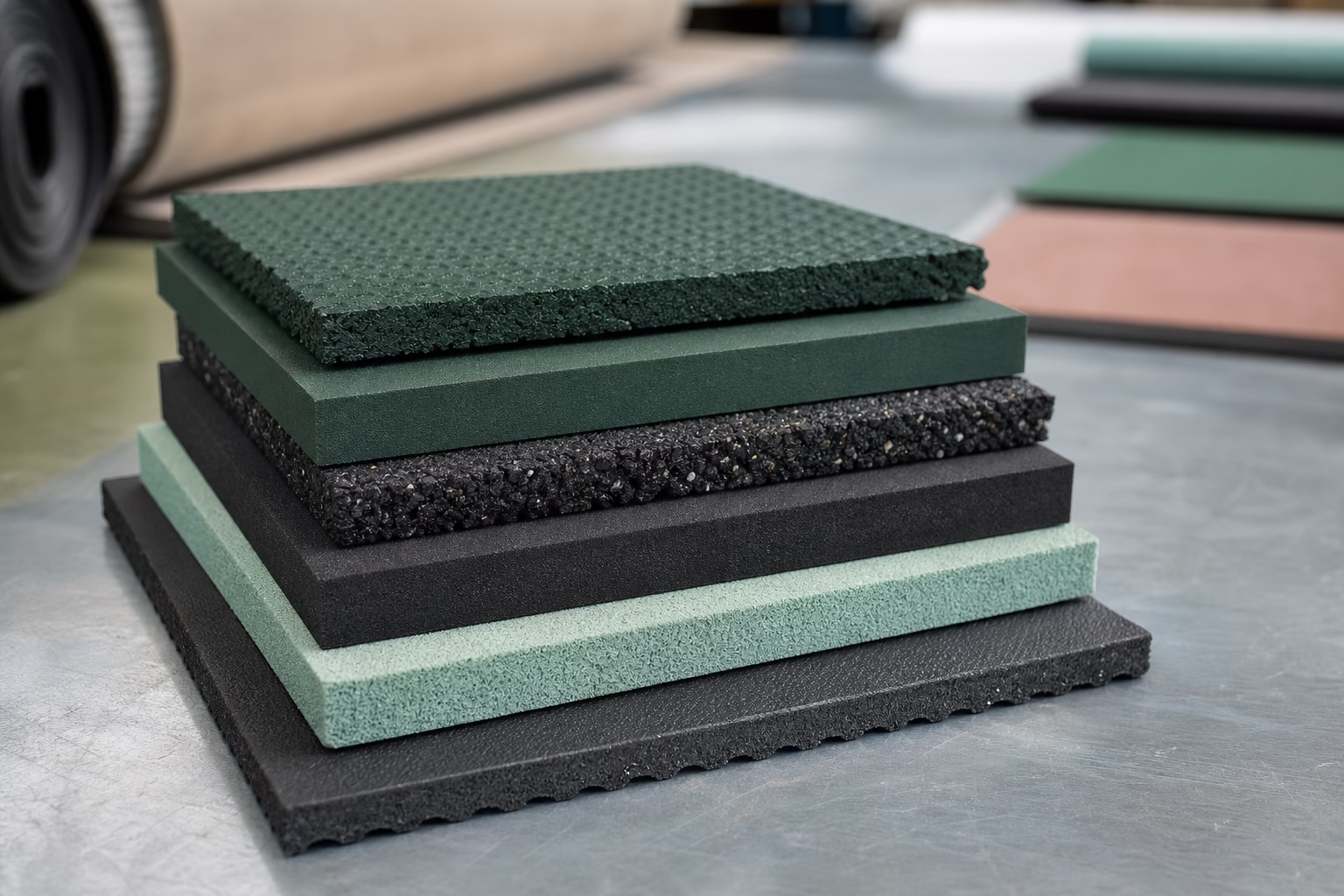
Mat Material Lamination for Application-Specific Constructions
Ninghow Mats supplies laminated material constructions for B2B teams developing branded, OEM, ODM, private-label and bulk mat products. We support natural rubber, PORON and microcellular PU foam, silicone, EVA foam and PVC anti-slip materials for mouse pads, fitness mats, tool mats, commercial mats and other application-specific products.
What Mat Material Lamination Covers
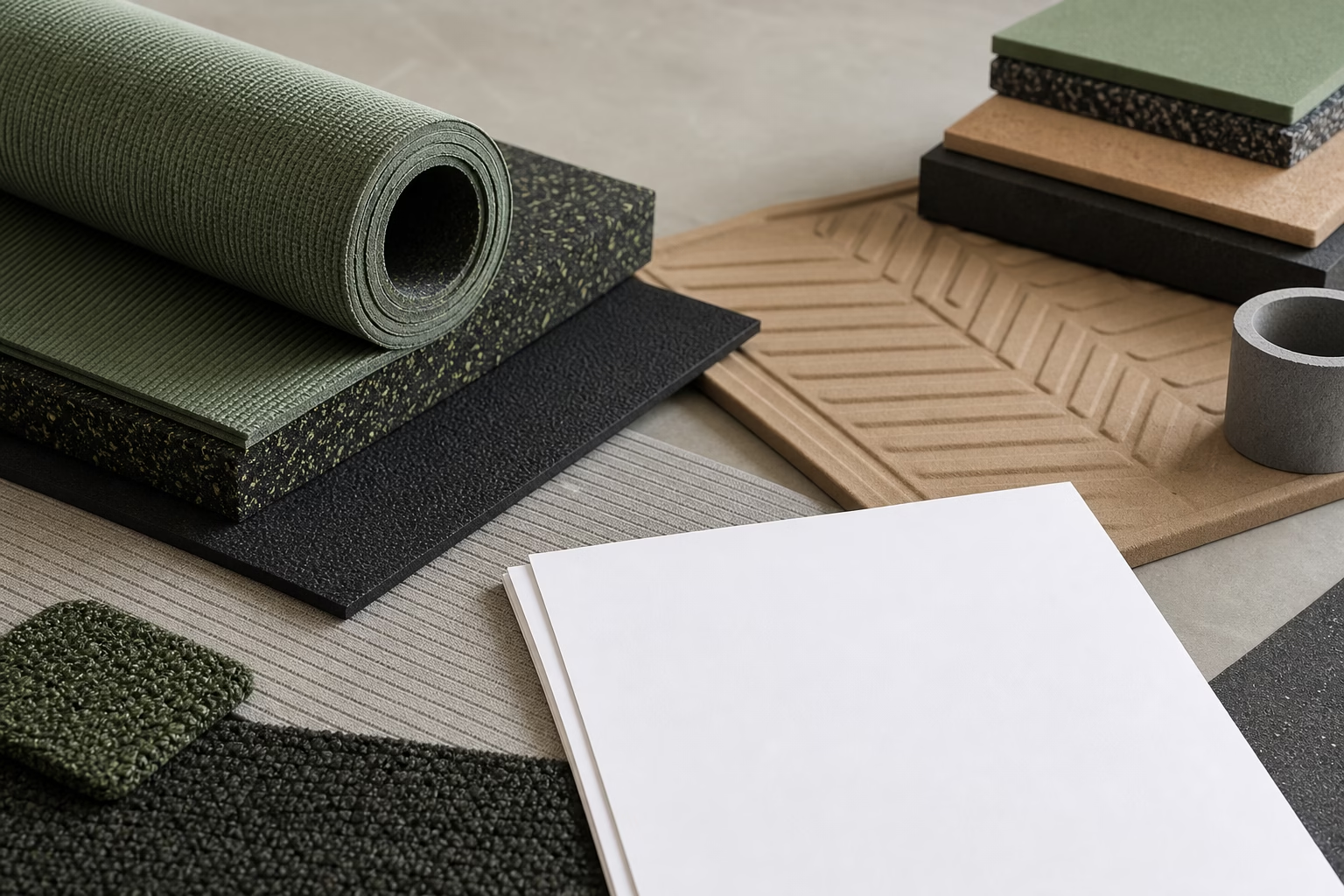
Mat material lamination is the joining of selected surface, core and base materials into one functional construction. The surface is the layer that faces the user or working area. A core can provide thickness, softness or support, while the base helps the mat interact with the surface below it.
Ninghow Mats supports material preparation, surface-to-base matching and material lamination as part of custom mat production. The exact construction is reviewed against the product format and end use rather than selected as an isolated material combination.
This focused capability forms part of our broader mat manufacturing capabilities , which also cover printing, shaping, edge finishing, inspection and packaging. Material selection and lamination are addressed here without assuming that every available material is suitable for every mat.
Our material review connects the surface, core and base requirements to the intended use of the mat. Engineers and product teams can submit their application, dimensions, thickness, softness and material requirements for an initial construction review.
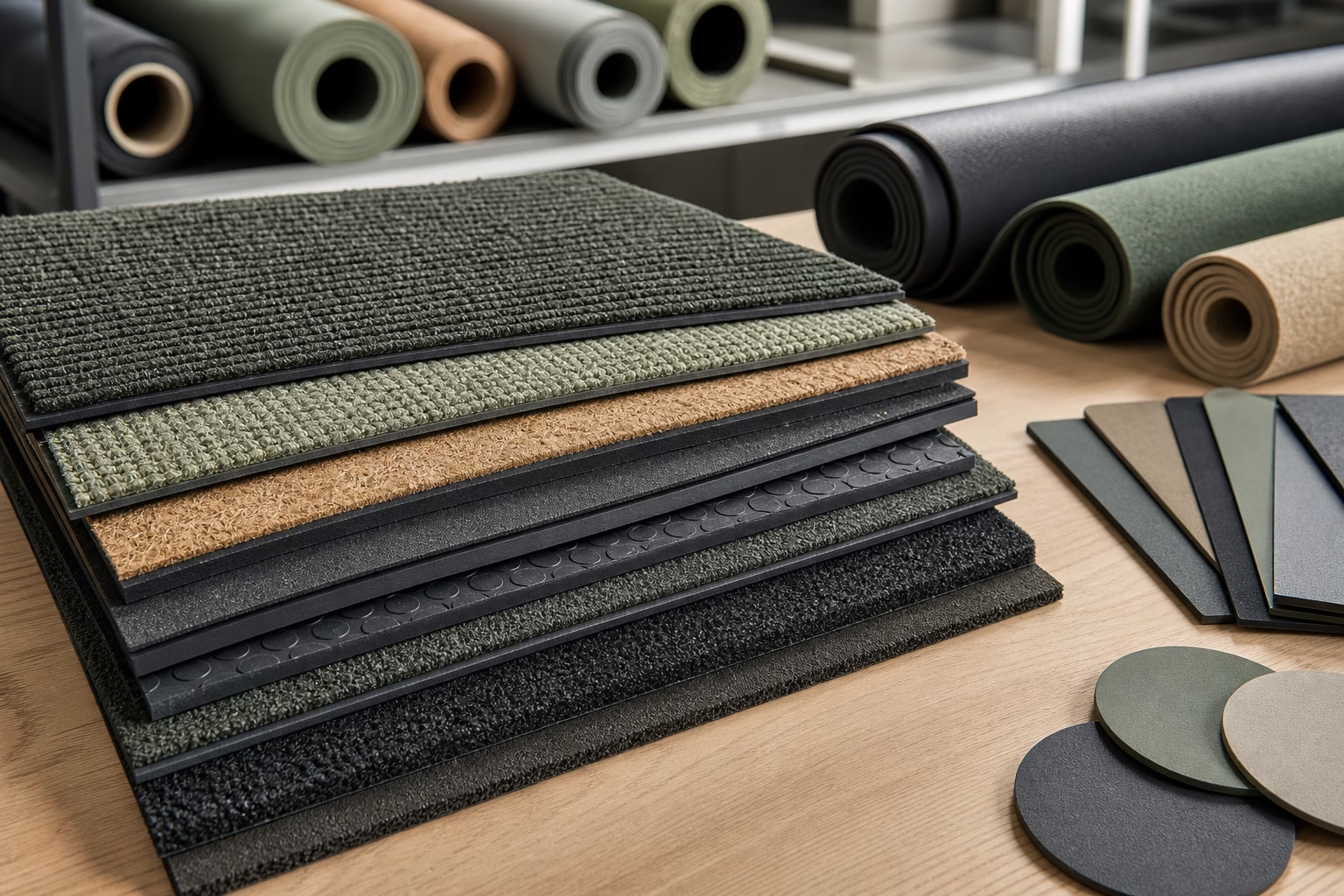
Supported Rubber, Foam and Flexible Material Families
The material family affects how a mat feels, supports its application and interacts with the surface below it. Ninghow Mats works with the following verified materials. Final suitability depends on the complete structure, dimensions and end-use requirements.
Potential role in a mat construction: May serve as an anti-slip, cushioning or support base.
Points to review: Required grip, cushioning, thickness, surface layer and intended product format.
Potential role in a mat construction: May provide controlled softness, support and surface stability.
Points to review: Support requirement, softness, thickness and connection to the surface or base layers.
Potential role in a mat construction: Supports flexible and anti-slip constructions for ergonomic, consumer, commercial and specialized applications.
Points to review: Flexibility, contact surface, shape and whether the design uses silicone as a primary material or as part of a wider structure.
EVA Foam
Potential role in a mat construction: Provides a lightweight, cost-oriented route for promotional, consumer and general-purpose products.
Points to review: Thickness, flexibility, surface requirement and application conditions.
PVC
Potential role in a mat construction: Supports cost-oriented and anti-slip material requirements in suitable mat constructions.
Points to review: Base function, flexibility, product format and compatibility with the selected surface.
Information Reviewed Before Materials Are Laminated
A lamination decision begins with the product requirement, not with a preselected stack of materials. Our team reviews the intended application and the relationship between the proposed layers before a sample construction is developed.
Surface Requirement
The required feel, appearance, contact function or printed area.
Base Requirement
How the underside should interact with the desk, counter, bench, floor or other supporting surface.
Dimensions and Shape
The finished length, width, profile and any application-specific geometry.
Thickness
The target overall thickness and any layer-specific requirement already defined by the buyer.
Softness and Support
The expected feel or structural response, described in practical end-use terms.
Structure
The proposed surface, core and base arrangement, if one has already been selected.
Artwork
The artwork file and intended location when the surface includes printed branding or functional graphics.
End-Use Conditions
The product, equipment or working environment that affects material selection.
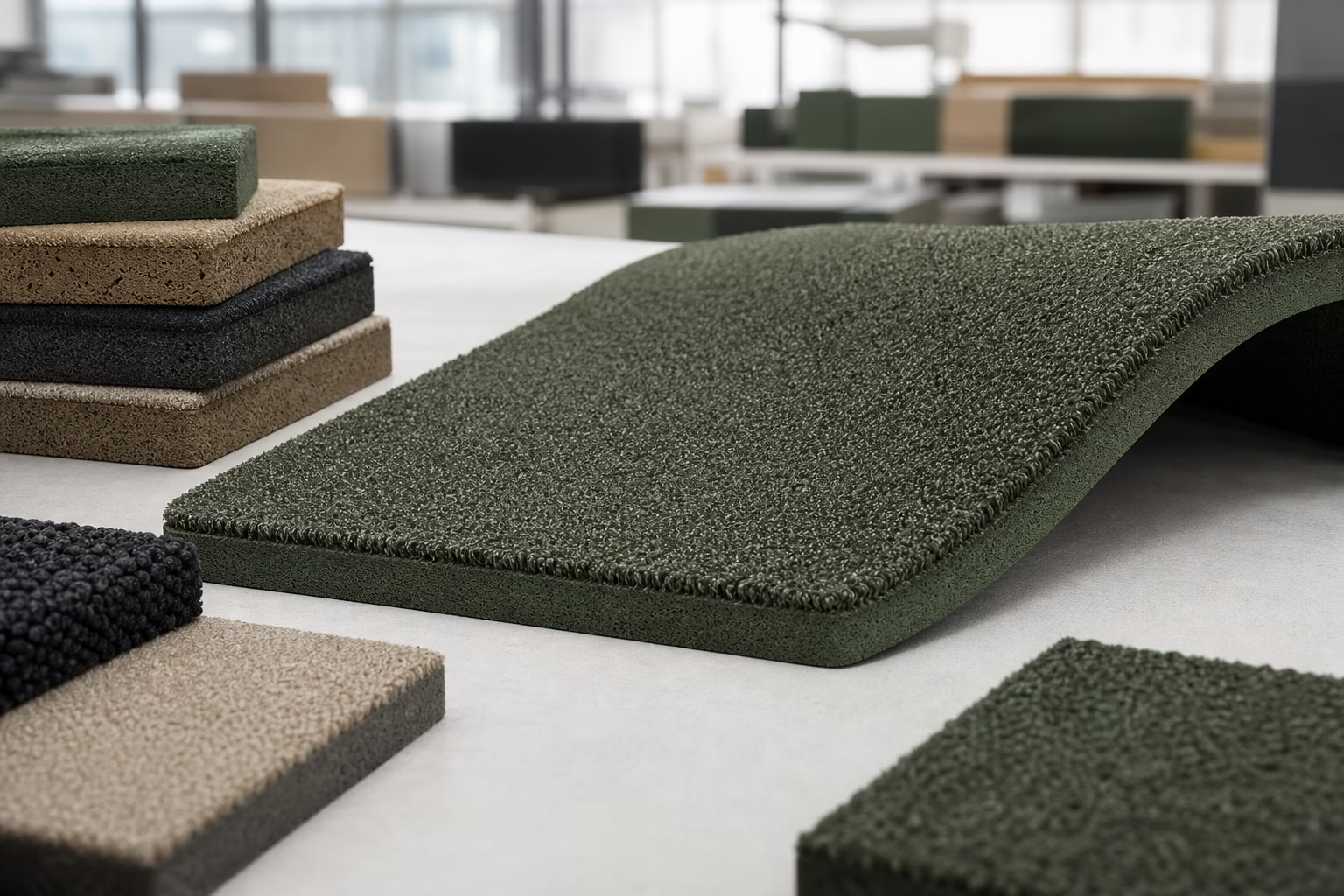
Match the Surface and Base as One Mat Structure
The surface and base should be assessed as connected parts of the same construction. A surface selected for feel or presentation still needs to work with the cushioning, support and stability expected from the layers below it.
The review normally considers several linked questions:
For example, a natural rubber base may be considered where anti-slip behavior, cushioning or support is part of the brief. PORON or microcellular PU foam may be reviewed where controlled softness and support are central requirements. Silicone, EVA foam and PVC provide other routes for flexible, lightweight, anti-slip or general-purpose constructions, depending on the application.
No single material automatically satisfies every requirement. If cushioning or support is the main design goal, the cushioning and support mat solutions route provides a more focused comparison of relevant structures.
What contact or surface feel does the application require?
Does the mat need cushioning, controlled softness or structural support?
How flexible should the finished construction be?
What role should the base play in grip or surface stability?
Will the chosen thickness suit the product dimensions and intended use?
Are the proposed surface and base materials suitable for lamination as a connected structure?
How Lamination Fits into Mat Development
Ninghow Mats treats lamination as one stage in a specification-led development process. The team supports application analysis, material and structure selection, thickness and softness development, and sample development.
Confirm the Application.
Define the product format, contact surfaces and functional priorities.
Select the Material Roles.
Identify which material may serve as the surface, support layer or base.
Review Compatibility.
Consider how the proposed surface and base work together within the intended thickness and structure.
Prepare a Sample Construction.
Use the confirmed material and structural brief to assess the proposed mat before moving forward.
Confirm the Project Requirements.
Review the sample and resolve relevant material, thickness, softness and construction points before the next production stage.
Material Construction Across Different Mat Applications
The same material family can play different roles in different products, and not every material is suitable for every format. The final construction depends on the dimensions, thickness, surface requirement, base function and end use.
Mouse Pads, Gaming Mats and Desk Mats
These products require the surface and base to be considered together. The review may cover surface feel, base grip, overall softness, thickness and stability across the selected dimensions. Extended desk formats may also place greater emphasis on maintaining a suitable structure over a larger area.
Material development may focus on the relationship between the user-facing surface, cushioning, support, flexibility and the underside of the mat. Thickness and softness should be defined according to the intended yoga, exercise, Pilates or training use.
Tool, Maintenance and Workbench Mats
For tool and work mats, the construction review begins with the task, work surface and required product dimensions. Surface stability, support, cushioning and work-surface protection may influence how the layers are selected and matched.
Counter, bar, service and point-of-sale mats may combine a branded or functional surface with a flexible or anti-slip base. The intended counter or service environment should be included in the material brief.
Specialized mat projects can be developed around buyer-defined dimensions, thickness, materials, surface requirements, structure, printing and end use. In these projects, lamination is assessed as part of the complete product specification rather than as a standard construction applied across all uses.
Evidence for a Material and Lamination Review
Ninghow Mats supports natural rubber, PORON and microcellular PU foam, silicone, EVA foam and PVC anti-slip materials. Our manufacturing scope includes material preparation and material lamination, while our development team supports application analysis, material selection, structure selection, thickness and softness development, and sample preparation.
Lamination is also included within our finished-product quality-control coverage. The inspection requirements relevant to a specific construction can be considered after the materials, layers and product specification have been defined.
For a useful technical review, provide the following information:
With this brief, our team can assess the proposed material direction and identify the points that need confirmation before sample development.
Mat type and intended application.
Required surface and base functions.
Preferred materials or material options to compare.
Finished dimensions and shape.
Target thickness and softness.
Proposed layer structure, if available.
Artwork when it affects the surface construction.
Expected order context and development stage.
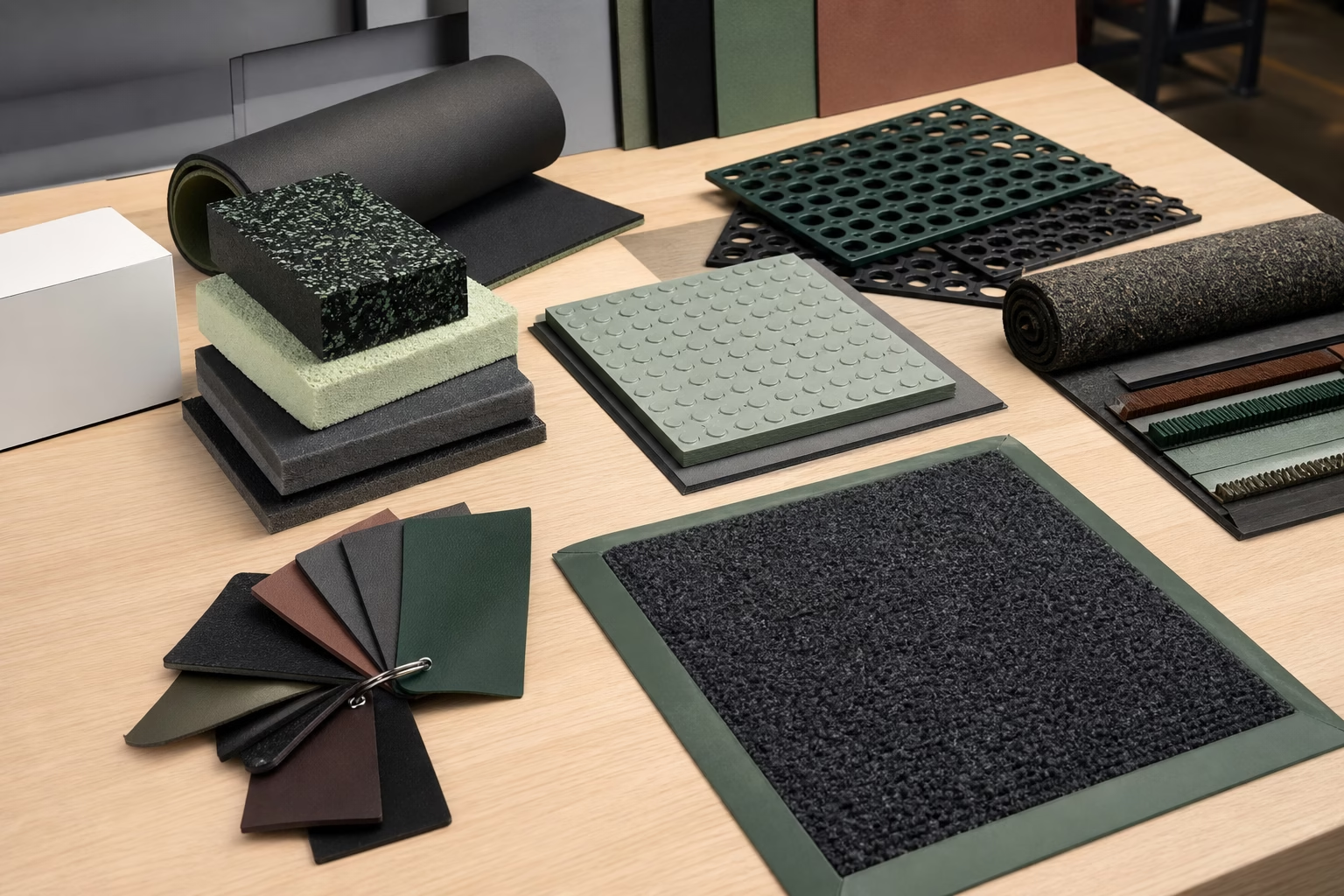
Submit Your Mat Construction Brief
Send us your application, material preferences, surface and base requirements, dimensions, thickness and softness targets. We will review the proposed structure and identify the material points that need to be confirmed before sample development.
FAQ
Frequently Asked Questions
Ninghow Mats supports natural rubber, PORON and microcellular PU foam, silicone, EVA foam and PVC anti-slip materials. These materials may serve different surface, cushioning, support or base roles. The suitable combination depends on the application, thickness, softness, dimensions and required structure.
Selection begins with the end use. We review the required surface feel or function, base interaction, cushioning, support, flexibility and stability as connected requirements. The proposed materials are then assessed as parts of one construction rather than as separate components.
Yes. Our team supports application analysis, material and structure selection, thickness and softness development, and sample development. Buyers should provide practical end-use requirements so that these factors can be reviewed together.
These material families may be considered for mouse pads, gaming and desk mats, yoga and fitness mats, tool and work mats, commercial mats and application-specific products. Suitability is project-specific, and the presence of a material in our manufacturing scope does not mean it is appropriate for every product.
Provide the application, surface and base requirements, dimensions, shape, target thickness, desired softness, proposed structure and preferred materials. Include artwork if it affects the surface and describe the expected order context so the review reflects the intended product program.