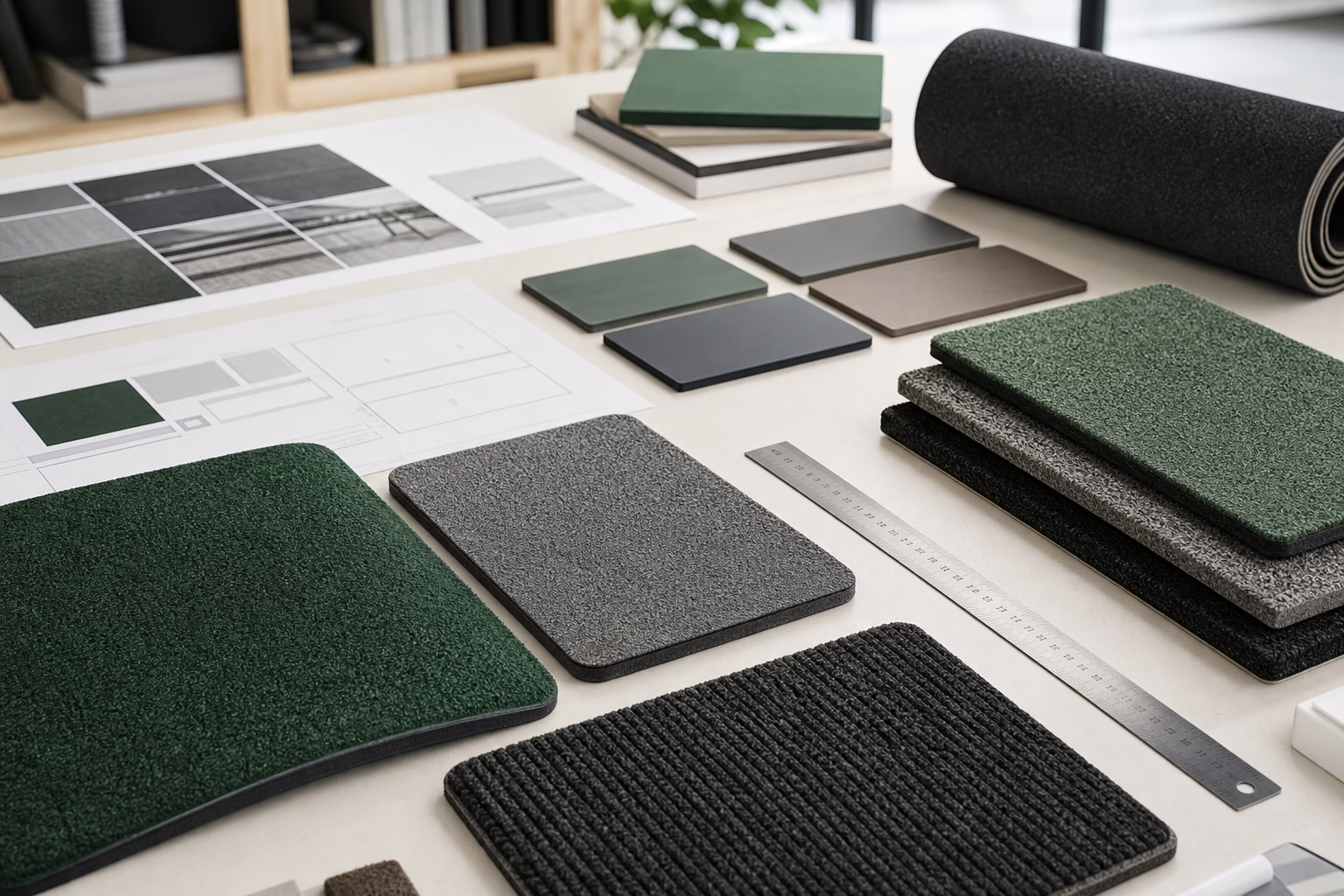
Build a Clear Product Brief with This Custom Mat Specification Guide
What must you define before a custom mat can move to technical review and sampling? A useful specification should describe the end use, dimensions, shape, thickness, feel, surface, base, edge, artwork, branding, packaging and target quantity.
Start with the Complete Mat Specification Framework
A custom mat specification works best when it separates confirmed requirements from preferences and open questions. This prevents an assumed detail from being treated as an approved product requirement.
End Use
Information to provide: User, placement, contact surface, handling conditions and main functional goal
How to record it: Required brief
Product Format
Information to provide: General mat type or an existing product used as a reference
How to record it: Required brief or reference
Dimensions
Information to provide: Length, width, orientation, critical fit points and unit of measure
How to record it: Required input
Shape
Information to provide: Overall outline, corners, contours, openings and functional zones
How to record it: Required input or open question
Thickness
Information to provide: Target physical depth or a reference sample
How to record it: Requirement or preference
Softness
Information to provide: Desired feel, compression, cushioning and support
How to record it: Performance description or reference
Surface
Information to provide: Contact feel, printed area, appearance and essential surface needs
How to record it: Requirement plus preferences
Support Layer
Information to provide: Required cushioning or structural role, if the design uses an internal layer
How to record it: Requirement or open question
Base
Information to provide: Contact surface and required grip or stability
How to record it: Required performance brief
Edge
Information to provide: Cut finish, stitched edge or a different treatment requiring review
How to record it: Project choice
Artwork
Information to provide: Print area, orientation, logo position, pattern scale and color references
How to record it: Artwork brief
Branding
Information to provide: Product branding, labels and private label presentation
How to record it: Optional or required by program
Packaging
Information to provide: Retail, shipping or other presentation requirements
How to record it: Optional or required by sales channel
Quantity
Information to provide: Target quantity for technical and commercial review
How to record it: Required for quotation
Open Questions
Information to provide: Decisions that need material, construction, artwork or packaging advice
How to record it: List separately
Describe Where and How the Mat Will Be Used
The end-use brief gives technical meaning to every other specification. A dimension alone does not explain how the mat must fit, and a request for a soft surface does not identify the required level of support or stability.
Begin by describing the intended user, operating surface, placement, handling and functional goal. State which needs are essential and which are preferences. Useful questions include:
For example, a desk mat brief may focus on available desktop space, equipment placement and artwork orientation. An exercise mat brief may place more emphasis on support, contact feel and handling. A tool mat may require defined work zones, while a counter mat may be driven by placement and brand presentation.
Ninghow Mats helps B2B product teams translate these application requirements into material, structure, size and finishing inputs. The purpose of this stage is not to choose every production detail. It is to define the product problem clearly enough for a focused technical review.
Will the mat remain in one position, be moved often or be packed after each use?
What surface will be under the mat?
Which objects, equipment or body areas will contact the top surface?
Does the design need desktop coverage, exercise support, tool organization, counter presentation or work-surface protection?
Are there areas that must remain clear for movement, controls, tools or printed information?
Which appearance, feel, grip, cushioning or stability requirements are essential?
Define Thickness and Softness as Separate Requirements
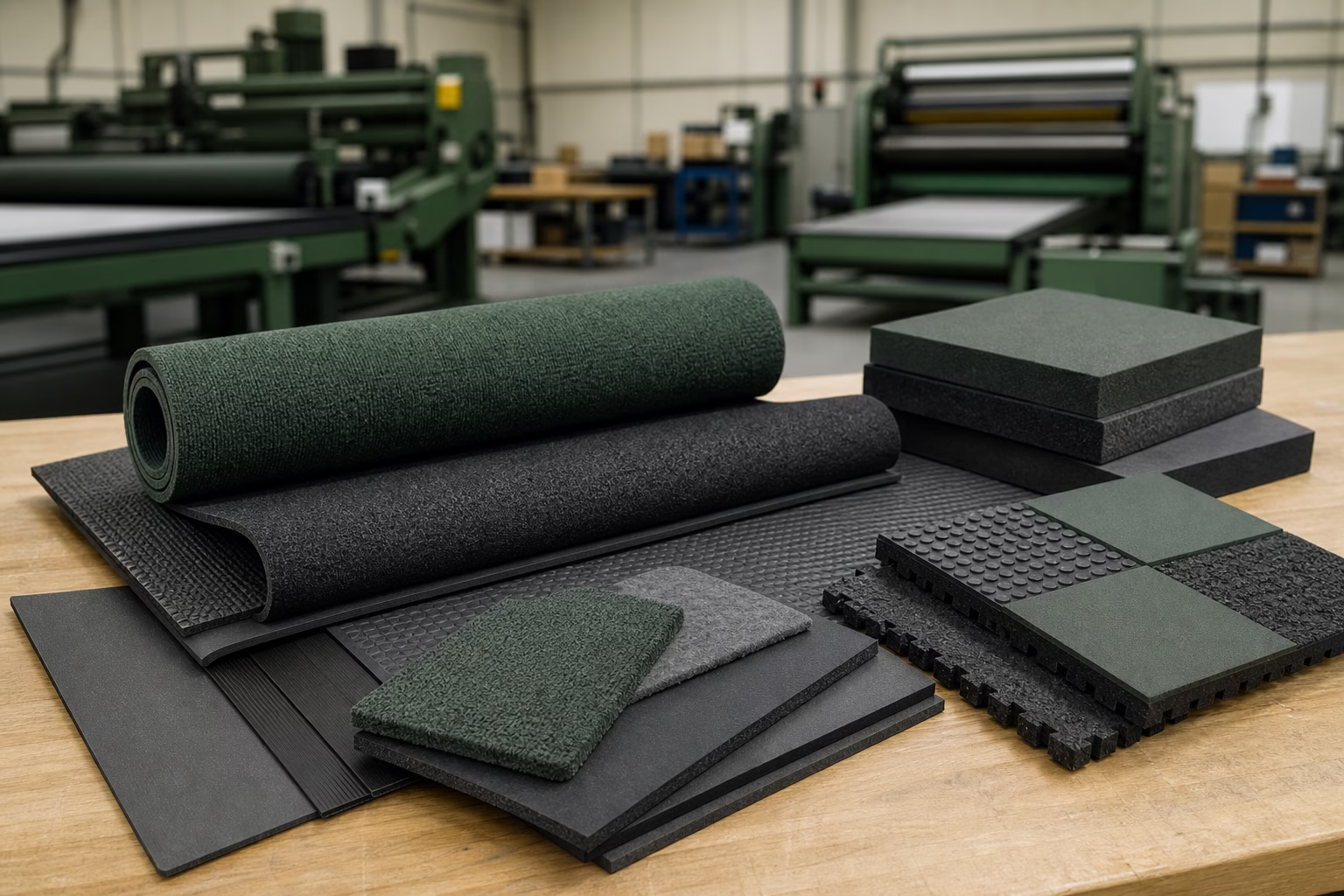
Mat thickness and softness describe different product properties. Thickness is the physical depth of the mat. Softness describes how the structure feels or compresses when force is applied. Two mats may have a similar thickness but feel different because their structures are not the same.
Thickness
State a target depth, a preferred range for review or the thickness of an existing reference.
Softness
Explain whether the mat should feel firm, moderately compressible or soft under the expected use.
Cushioning
Describe where cushioning is needed and what will apply pressure to the mat.
Support
State whether the structure should resist compression, provide a softer contact area or balance both needs.
Surface Stability
Explain how stable the top surface should feel during use.
Explain the Role of the Surface, Support Layer and Base
A mat can combine several material roles, but not every design needs the same number of layers. Describe each required role first, then confirm the material and construction through project review.
Surface
Typical role in the specification: User or product contact, visual presentation and printed content
Questions to answer: What contacts the surface? What feel, appearance or print area is required?
Support Layer, Where Applicable
Typical role in the specification: Cushioning, softness, support or structural depth
Questions to answer: Is an internal support role needed? How should the structure feel under pressure?
Base
Typical role in the specification: Contact with the desk, floor, counter, bench or other operating surface
Questions to answer: What is the underlying surface? What grip or stability requirement must be reviewed?
Surface
Faces the user, product or working area.
Support Layer
May provide cushioning or structural support when the design requires it.
Base
Contacts the surface beneath the mat.
Choose an Edge Requirement That Fits the Shape and Use
The edge affects the mat’s outline, appearance and contact feel. It can also interact with the product thickness, artwork and custom shape. Record the edge requirement as part of the main construction rather than leaving it until artwork approval.
Ninghow Mats supports cutting, custom shaping and stitched-edge finishing. A specification can identify:
If edge stitching is required, show whether the artwork has important content close to the perimeter. Also identify tight curves, internal corners or shaped sections that could affect the intended edge appearance. Do not assume that every edge option is suitable for every thickness, structure or shape.
The review outcome should be a clear perimeter requirement that can be checked against the drawing, structure and end use. Exact construction details are confirmed for the specific project.
A cut perimeter.
A stitched edge.
Required edge color or visual relationship to the artwork.
Areas where stitching or another edge feature could affect a contour.
A different project-defined treatment that requires feasibility review.
Add Branding, Labels and Packaging to the Same Brief
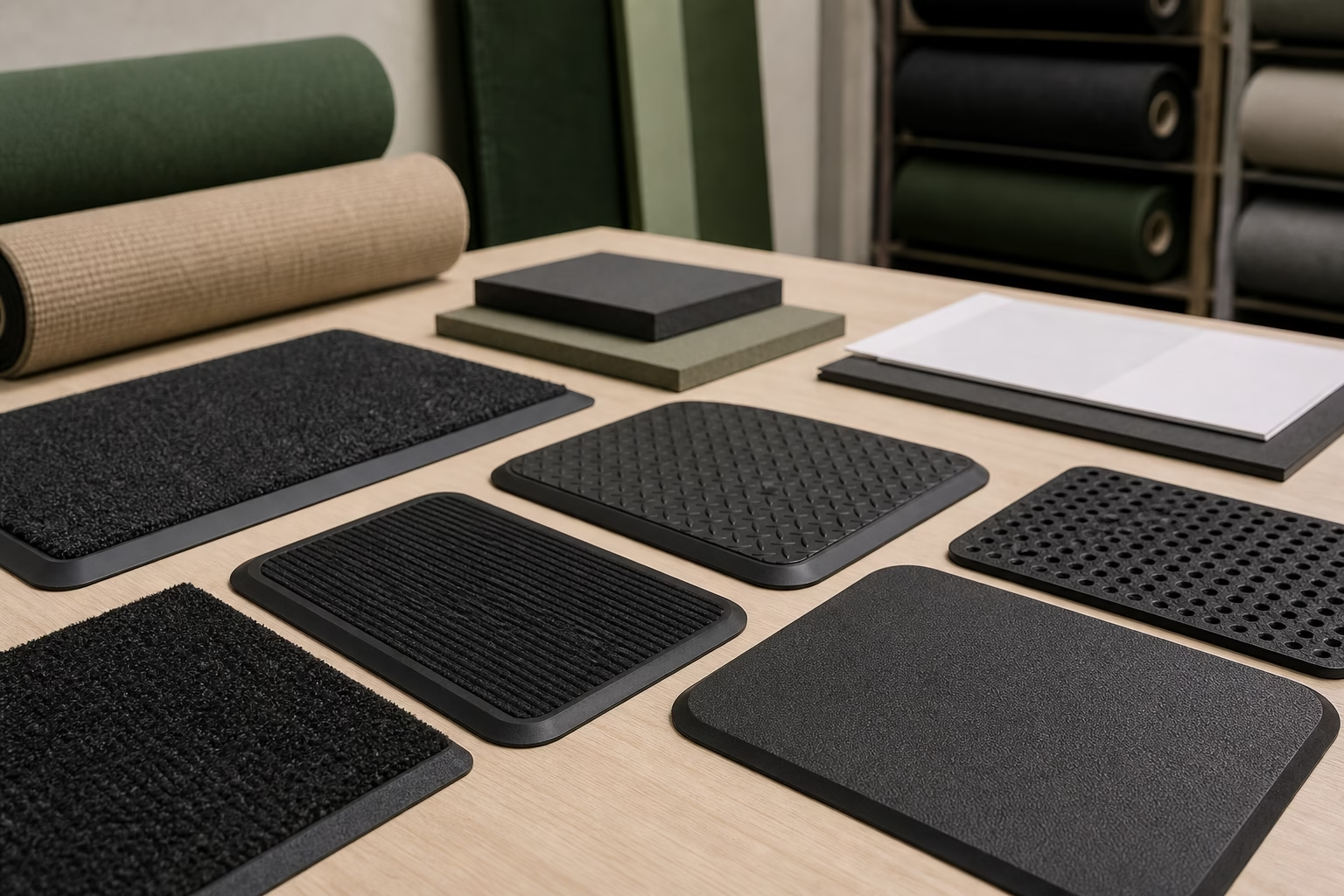
Brand presentation may extend beyond the main printed surface. Include product labels, private label elements and packaging requirements in the specification so they can be reviewed as connected parts of the product program.
Product and Label Information
Brand name and logo placement outside the main print area.
Required product labels and their proposed position.
Product identification or variant information supplied by your team.
Any sales-channel information that affects presentation.
The relationship between the mat artwork, label design and package design.
Packaging Information
Whether standard export packaging or customized packaging is needed.
Retail, private label or shipping presentation requirements.
How the mat should be oriented or presented in the package.
Artwork and label files associated with the packaging.
Any package features that remain open for development.
Ninghow Mats supports standard export packaging and customized private label, retail and shipping packaging according to project requirements. Packaging feasibility and details are reviewed against the product dimensions, construction, presentation and order requirements.
Keep packaging specifications connected to the correct mat revision. A change to the mat’s dimensions, thickness or packing orientation may require a related packaging review.
Submit One Controlled Specification for Technical Review
Bring the product requirements into one submission rather than sending disconnected instructions across several messages. The technical handoff should identify the latest drawing, artwork and packaging files and show which decisions are final.
Describe the End Use.
Explain the user, placement, contact surface and main product goal.
Add the Product Reference.
Include a photo, sample description or existing product when it helps communicate the format or feel.
Attach the Dimensioned Drawing.
Show the outline, unit of measure, critical dimensions and custom zones.
Define the Construction.
Record thickness, softness, surface, support layer where applicable, base and edge preferences.
Provide Artwork and Branding Files.
Identify orientation, print area, logo position, color references and label needs.
State Packaging Requirements.
Explain whether standard or customized presentation is required.
Provide the Target Quantity.
This gives the manufacturing team the context needed for project review and quotation.
List Open Questions.
Mark any material, structure, artwork or packaging decision that needs a recommendation.
Custom Mat Specification Questions
Include the end use, product format, dimensions, shape, thickness, softness, surface, base, edge construction, artwork, branding, packaging and target quantity. If the mat may use an internal support layer, describe the required cushioning or support role. Mark undecided items as open questions rather than leaving them unstated.
Provide a dimensioned drawing that shows the overall length, width, unit of measure, orientation, corners, contours, openings and critical fit points. Keep the drawing separate from the visual artwork. Use a clear revision identifier so everyone reviews the same version.
Thickness is the physical depth of the mat. Softness describes how the structure feels or compresses during use. Specify both because mats with a similar thickness can have different levels of firmness, cushioning and surface stability.
Describe each part by its role. The surface relates to contact feel, appearance and printed content. A support layer, when used, can contribute cushioning or structural support. The base contacts the desk, floor, counter or work surface and should be described in relation to the required grip or stability. Not every mat needs three separate layers.
Prepare the print area, orientation, logo position, pattern scale, background treatment, important content zones and color references. Identify any artwork that must align with a shaped edge or functional area. Include label and private label requirements separately. File format, resolution, bleed and production color settings are confirmed for the project.
Yes. Packaging should be linked to the mat dimensions, construction, branding and sales-channel needs. Ninghow Mats supports standard export packaging and customized private label, retail and shipping packaging according to project requirements. Include the desired presentation, packaging artwork, label needs and any unresolved decisions.

Turn Your Mat Requirements into a Reviewable Project Brief
Send the end-use description, dimensioned drawing, construction preferences, artwork, branding, packaging requirements, target quantity and open questions together. Our team can review the information and identify the next decisions needed for specification development, sampling or quotation.