Develop Custom Automotive Accessory Mats for OEM Programmes
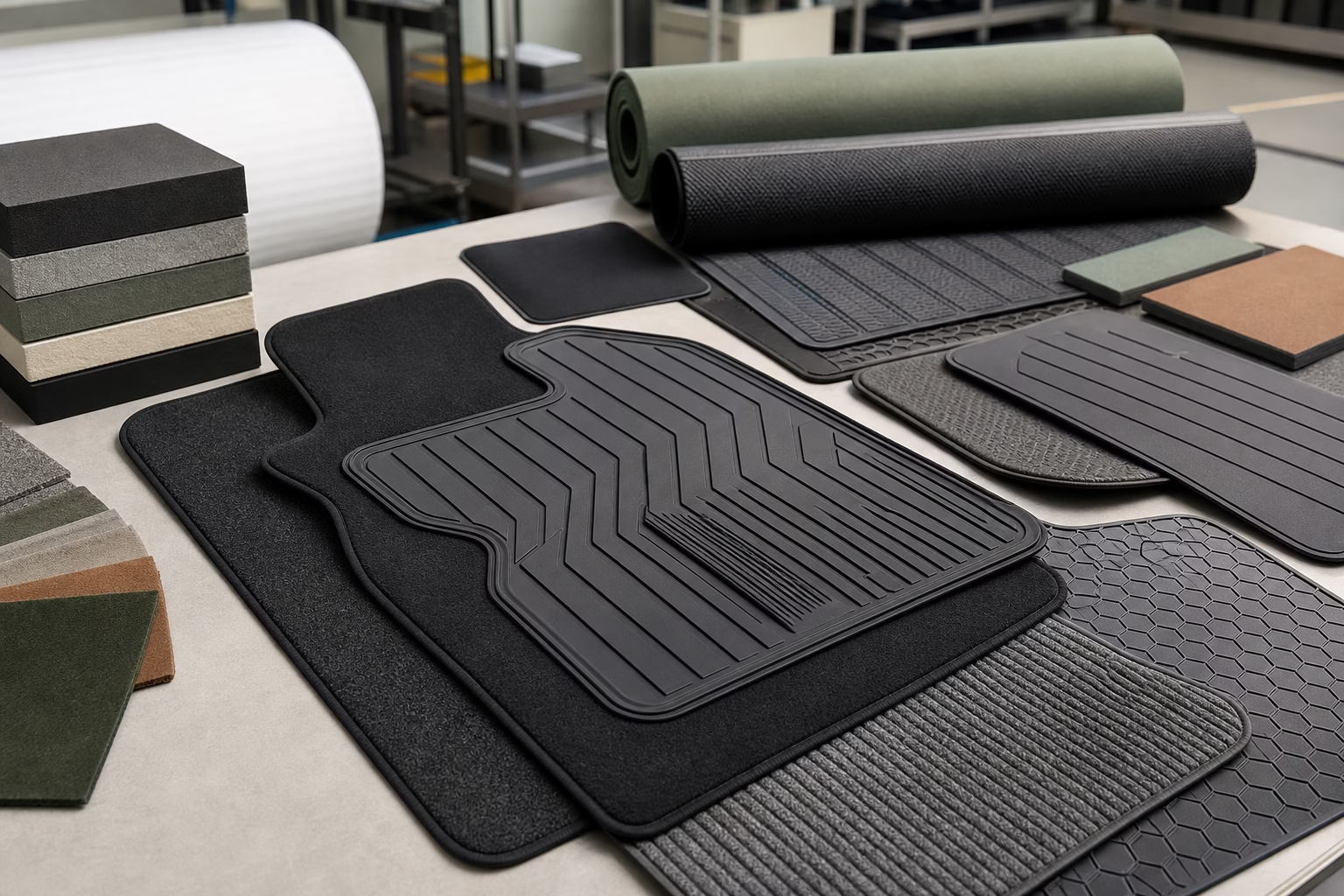
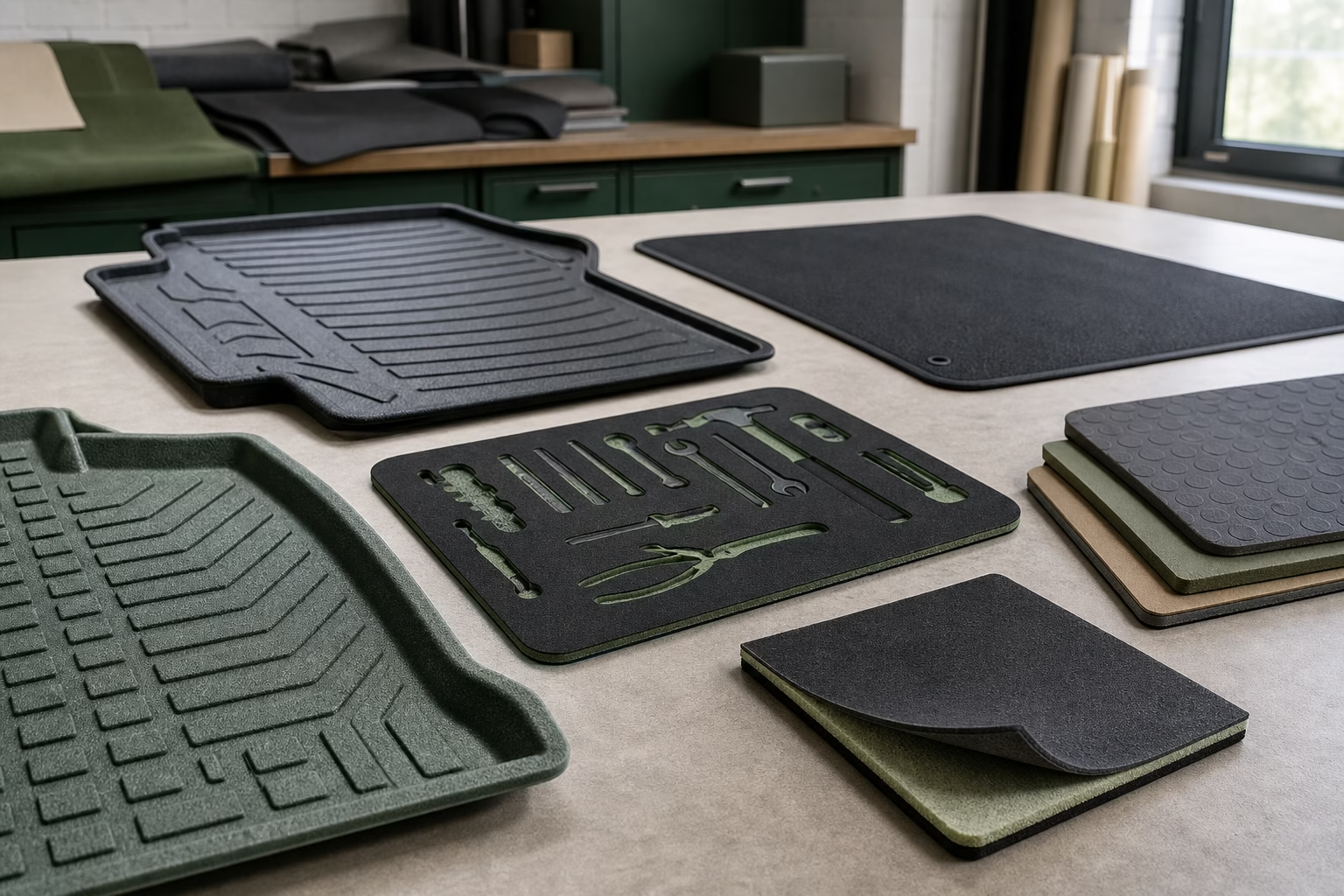
Ninghow Mats supplies made-to-specification mats for automotive accessory product companies, brands and private-label programmes. We develop automotive tool mats, maintenance mats and branded mats around a defined use, size, structure, artwork and packaging brief.
Choose the Right Mat Route for Your Automotive Accessory Range
Automotive accessory mats on this page are products developed for tool organisation, maintenance tasks, branded merchandise or promotional supply. They can be supplied as part of an OEM, ODM or private-label product programme.
Tool Organisation
A mat can be shaped and printed around a defined tool set, work area or accessory concept.
Maintenance Use
Dimensions, softness, surface requirements and edge construction can be planned around the stated task.
Brand Presentation
Printed mats can carry logos, graphics or programme-specific layouts for accessory, merchandise and promotional ranges.
Special Product Concepts
Unusual dimensions, structures or surface requirements can follow an application-specific development path.
Define the Automotive End Use Before Selecting the Construction
A useful development brief describes what the mat must do, where it will be used and how it will be presented as a product. This allows our team to connect the end use with a practical material, structure and production route.
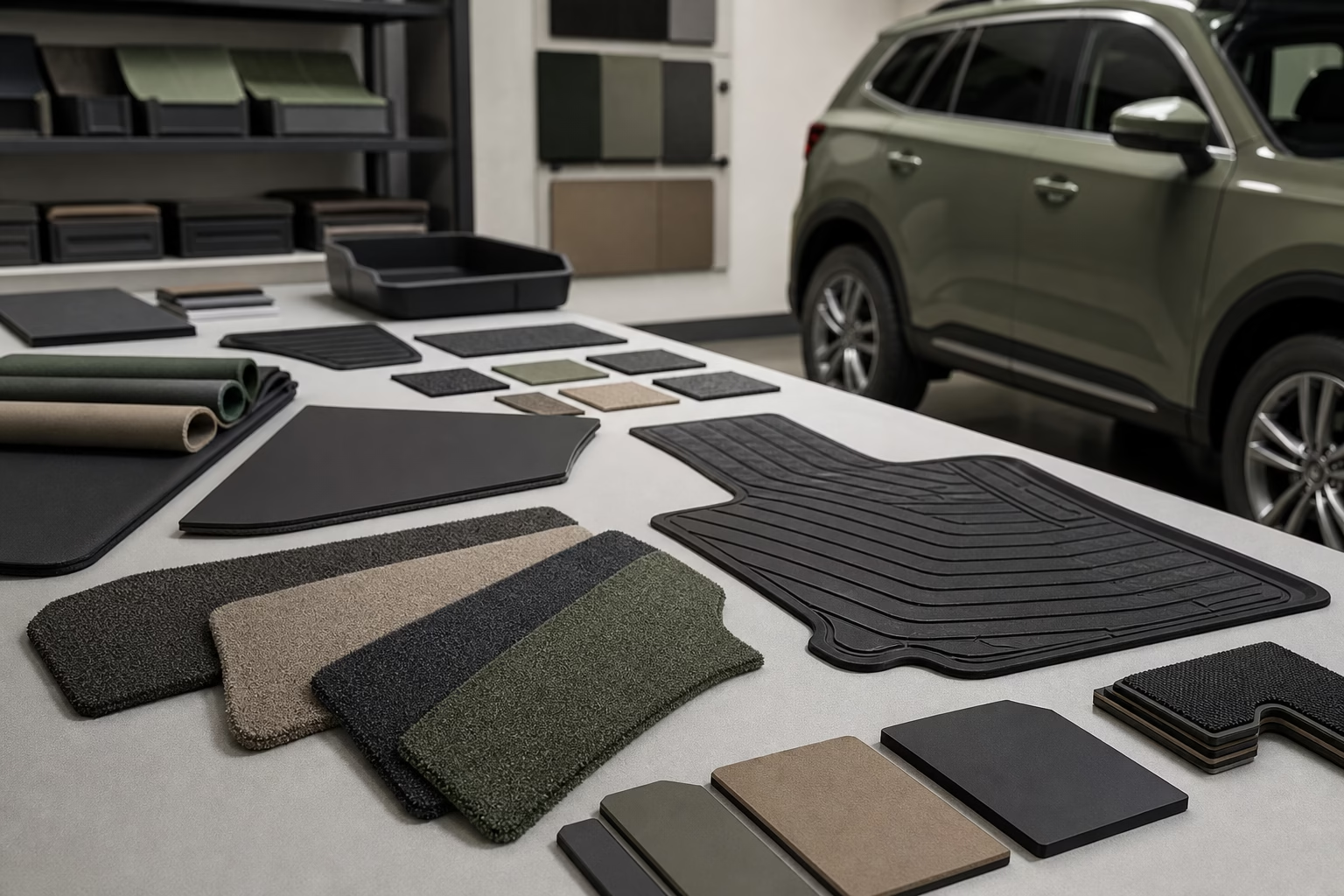
Start with the intended placement and task. Then define the dimensions, thickness, softness, shape, surface, base and edge requirements. If the mat includes printed tool positions, instructions or branding, provide the artwork and explain how each printed area relates to the product use.
- Intended automotive accessory use and placement.
- Overall dimensions, thickness and shape.
- Required softness, support, flexibility or surface stability.
- Surface feel and base requirements.
- Single-material or layered construction preference.
- Cut, shaped or stitched-edge finish.
- Logo, graphic or functional print layout.
- Label, retail packaging and shipping-packaging needs.
Compare Tool, Maintenance and Branded Mat Formats
The product format determines which specifications require the most attention. A tool mat may depend on layout and shape, while a branded accessory mat may place more weight on print area, colour review and retail presentation.
Automotive Tool Mats
Tool mats can be developed around an organiser concept, a defined working area or a printed tool layout. Buyers should provide the mat dimensions and the size and position of any functional graphics. Magnetic tool mats are also available as a product format, but magnetic construction and required performance must be defined and reviewed for the individual project.
Maintenance Mats
Maintenance mats are planned around the work task, available surface area and required construction. Important decisions include size, thickness, softness, base material, surface finish, edge treatment and packaging. No resistance property should be assumed unless it is part of the project brief and validation plan.
Branded Automotive Mats
Printed mats can support automotive accessory ranges, corporate merchandise and promotional programmes. The product may use a logo-led design, a full-surface graphic or a functional layout combined with brand elements. Artwork must fit the final dimensions, cutting path and edge construction.
For a deeper review of maintenance and organisation formats, see our custom tool and work mats .
Select Materials by Feel, Support and Product Position
Material selection should follow the required product feel and structure. Ninghow Mats works with natural rubber, PORON and microcellular PU foam, silicone, EVA foam and PVC anti-slip materials. A project may use a material as a surface, structural layer or base, depending on the construction.
Verified role: Base structures for anti-slip, cushioning and support applications
Points to define: Thickness, base role, surface pairing and required feel
Verified role: Controlled softness, support and surface stability
Points to define: Support level, softness, thickness and layered structure
Verified role: Flexible and anti-slip structures for specialised applications
Points to define: Flexibility, dimensions, shape and surface requirements
EVA Foam
Verified role: Lightweight and cost-oriented product structures
Points to define: Thickness, product position, print needs and construction
PVC Anti-Slip Material
Verified role: Cost-oriented and anti-slip material options
Points to define: Material role, flexibility, base requirements and end use
Plan Automotive Branding Around the Mat Layout
Branding must work with the product dimensions and intended task. On a tool mat, artwork may include tool positions, work zones and a logo. On a promotional product, the visual focus may be a full graphic or clear brand presentation. The cutting line and edge finish also affect the available print area.
Our manufacturing resources support artwork review, wide-format digital printing and industrial continuous roller heat transfer. We can also coordinate logo placement, printed layouts, labels and customised private-label, retail or shipping packaging according to project requirements.
Colour review begins with the artwork and selected material. Quality resources include colour-difference measurement with colorimeters and a Delta E <1.5 colour-control target. This is a control target rather than a guaranteed result for every design, material or production run.
When submitting artwork, identify critical logos, text, colour references, orientation and safe areas. If packaging forms part of the accessory range, define how the mat should be folded, rolled or otherwise presented for review rather than assuming one standard format.
Move from an Automotive Mat Brief to an Approved Sample
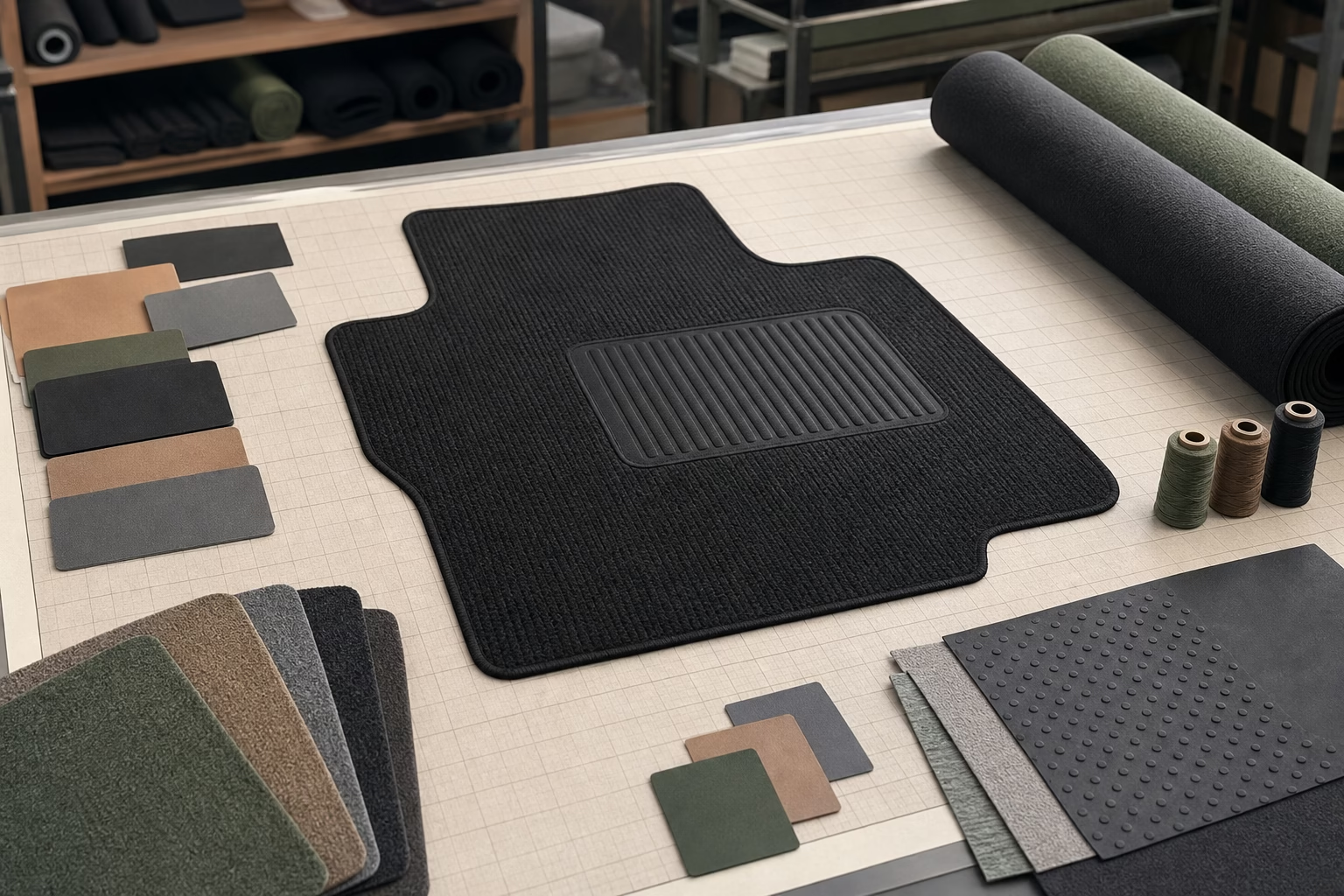
Our OEM development process connects the application brief with material selection, construction planning, artwork review and sample approval. Each approval point reduces the risk of moving an incomplete specification into bulk production.
Application Review
We review the intended use, placement, dimensions and product format.
Material and Structure Selection
Surface, structural and base material options are considered against the required feel and product position.
Specification Confirmation
Size, thickness, shape, edges, artwork and packaging details are settled.
Sample preparation typically takes 3–5 days after specifications, materials and artwork are confirmed.
Sample Review
The buyer checks the sample against the agreed dimensions, construction, appearance, printing and packaging requirements.
Production planning begins after sample approval and order confirmation. Final timing depends on the product specifications, quantity and customisation requirements.
Prepare an Automotive Mat Quotation Brief
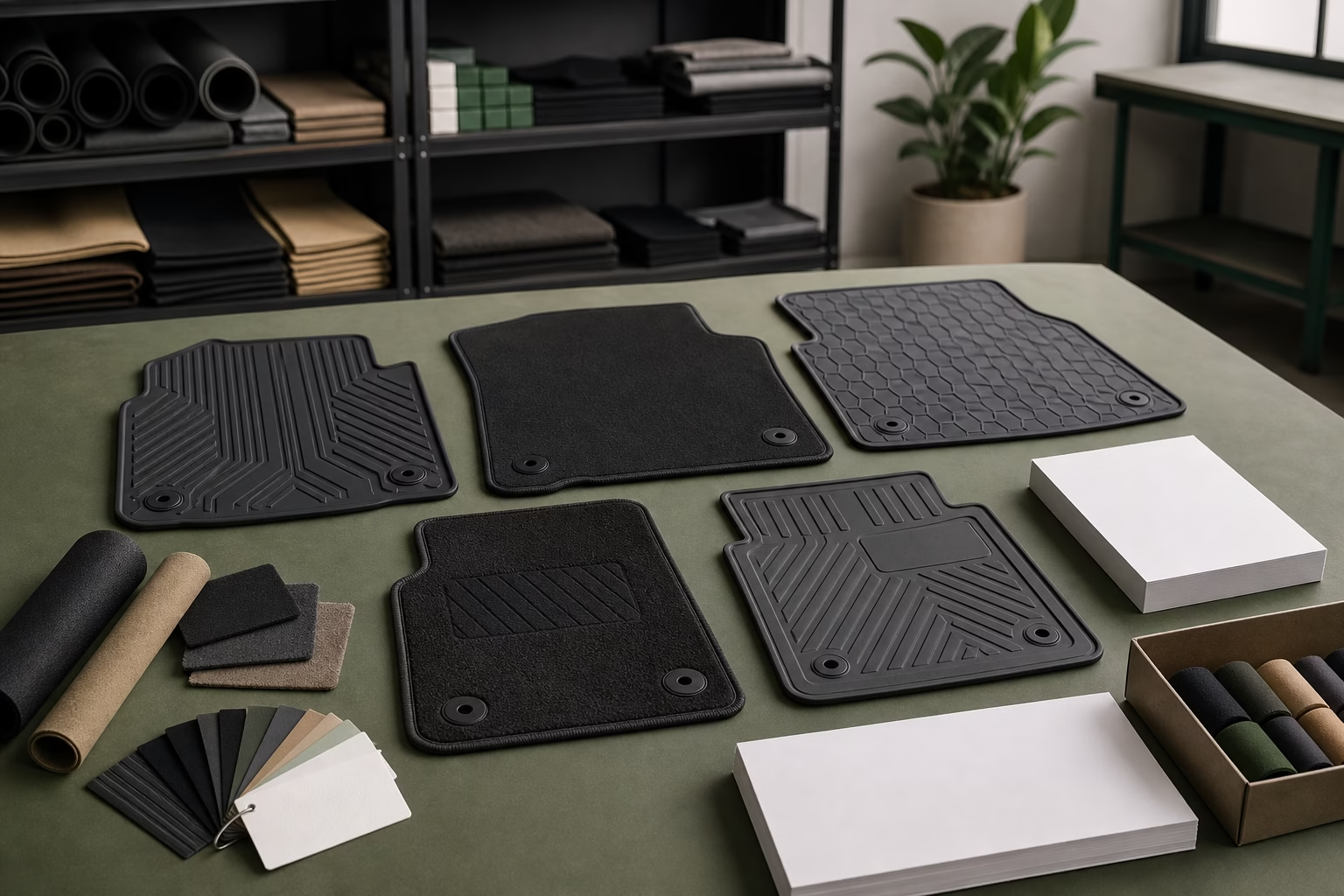
A project-specific quotation depends on the product format, material, dimensions, construction, quantity and customisation requirements. Providing complete information allows us to review manufacturability, sampling and packaging without relying on assumptions.
Include these details with your enquiry:
Order, payment, trade and shipment terms are confirmed according to the final order, destination and project requirements. Submit the available details through the custom mat request for quote form.
Automotive application and mat format.
Drawing or required dimensions and shape.
Thickness, softness and material preferences.
Surface, base and layered structure requirements.
Artwork files and print layout.
Required quantity.
Labels and packaging requirements.
Destination for shipment planning.
Required tests, reports or acceptance criteria.
Questions About Automotive Accessory Mat Development
Ninghow Mats can develop tool mats, magnetic tool mats, maintenance mats, protective work-surface mats and printed branded mats for automotive accessory programmes. The exact format is defined by the end use, dimensions, material structure, artwork and packaging brief.
Provide the intended task, placement, dimensions, thickness, shape, surface and base requirements, preferred edge construction and quantity. Include artwork when the mat uses printed tool positions, work zones, instructions or branding. Any required performance validation should be stated as a separate project criterion.
Available material routes include natural rubber, PORON or microcellular PU foam, silicone, EVA foam and PVC anti-slip materials. The material should be selected as part of the complete surface, structural layer and base design. No automotive resistance or safety property is implied by the material name alone.
Yes. We support artwork and printing development, branding customisation, labels and customised private-label, retail and shipping packaging. Print placement and packaging are reviewed against the mat dimensions, shape, edge finish and programme requirements.
A sample is prepared after the specifications, materials and artwork are confirmed. The buyer can then review dimensions, thickness, structure, appearance, printing, cutting, edge finish and packaging as relevant. Bulk production proceeds after sample approval and order confirmation.
Yes. A drawing can define dimensions and shape, an artwork file can establish the printed layout, and an end-use brief can guide material and structure selection. Photographs or a reference sample may also support review when they clearly show the intended product details.
Start Your Automotive Accessory Mat Project
Send your application brief, drawing or artwork for a review of the product format, material route, sample requirements and packaging needs.