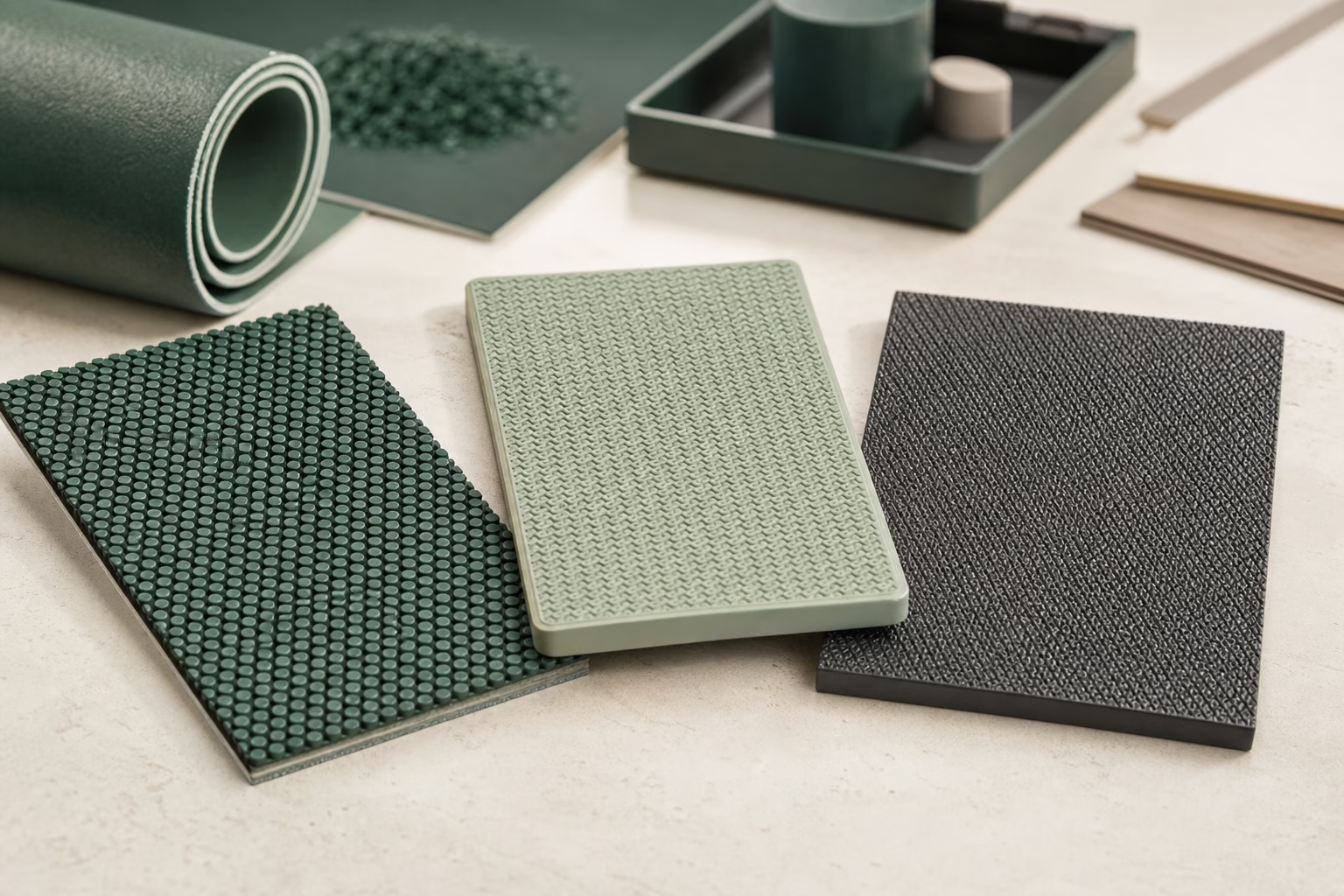
Custom Anti-Slip Mats Built Around Your Contact Surface
Ninghow Mats is a made-to-order anti-slip mat supplier for brands, product developers, importers and procurement teams. We develop natural rubber, silicone and PVC constructions around the supporting surface, product format and required level of stability.
Define Grip Requirements Before Choosing a Material
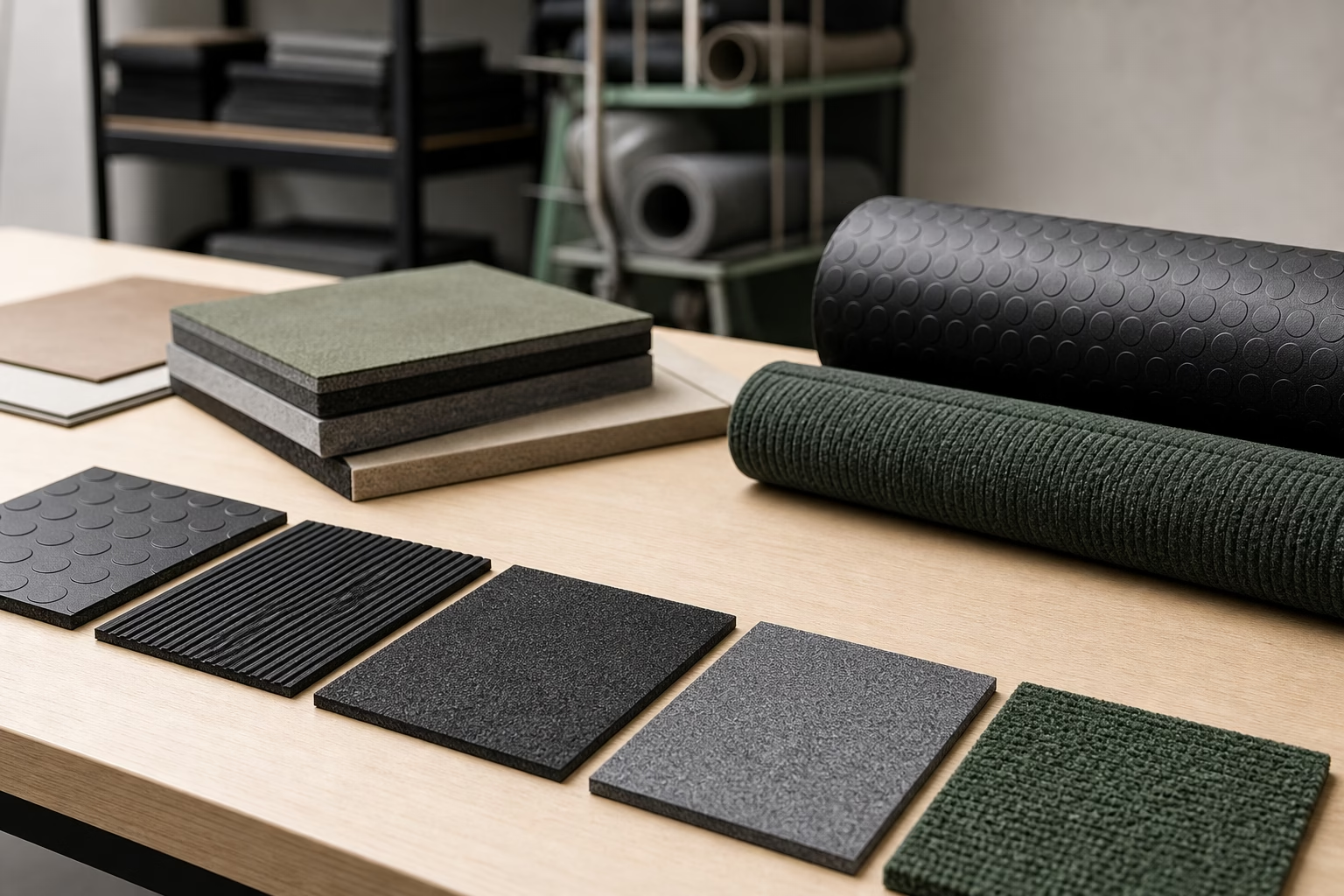
Anti-slip performance is the result of interaction between a mat base, the surface beneath it and the way the product is used. A material described as anti-slip will not behave identically on every supporting surface or under every operating condition.
Ninghow Mats supplies custom anti-slip mats using verified natural rubber, silicone and PVC material routes. We do not assign a universal slip rating to these materials. The correct construction must be selected and reviewed against the intended application.
A useful development brief identifies:
If the project combines grip with cushioning, support or surface protection, review the relevant route in our custom mat performance solutions .
The product format and end use.
The material and condition of the supporting surface.
The type and direction of unwanted mat movement.
The required dimensions, thickness and shape.
The upper-surface material and any printed artwork.
The intended conditions of use.
Any required test method and acceptance threshold.
Material selection is only one part of the decision. The upper surface, base, dimensions, thickness, shape and conditions of use can all affect how a mat behaves. We support material matching, lamination, custom shaping and sample development so these factors can be reviewed together.
When a Natural Rubber Base Fits the Mat Structure
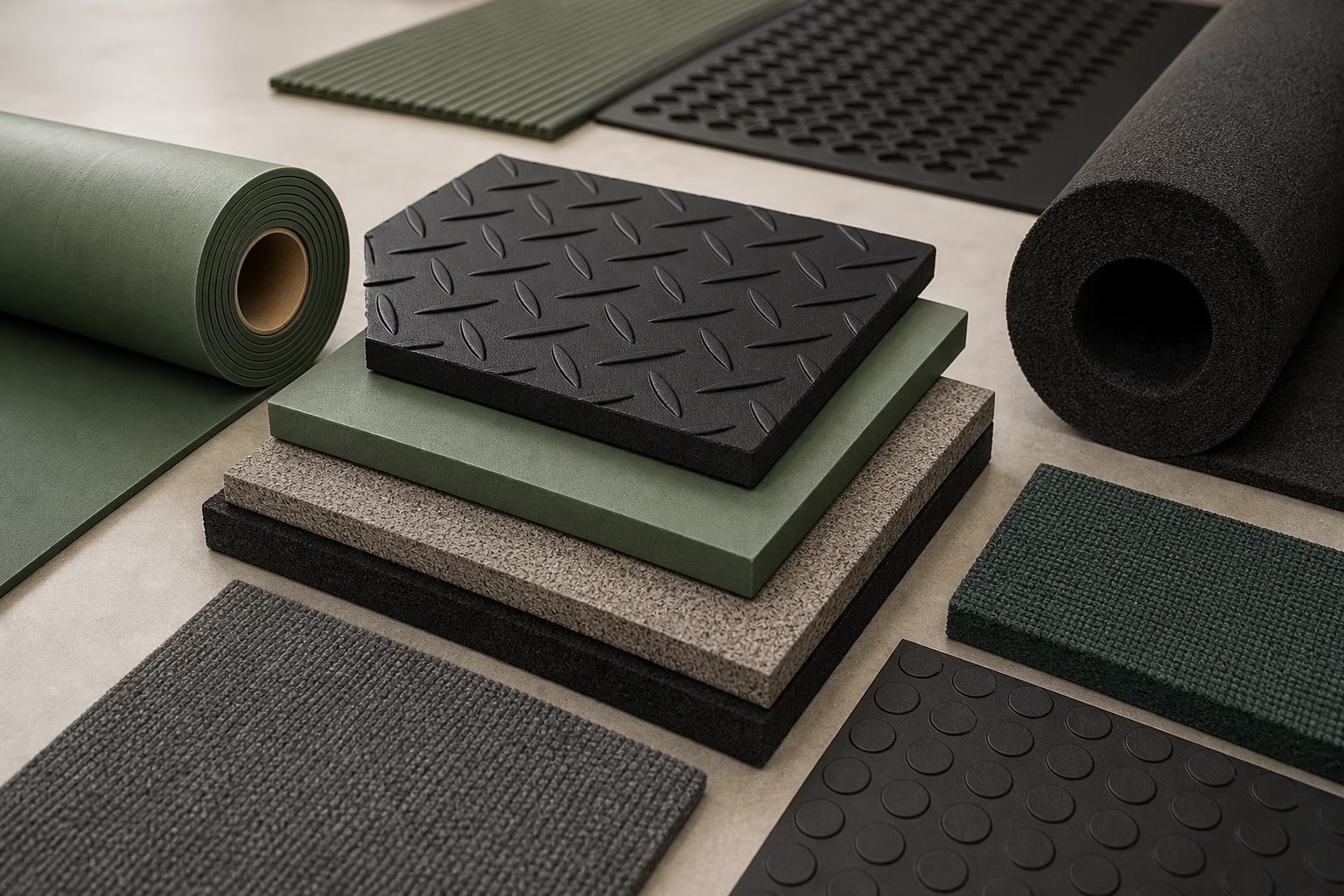
Natural rubber bases are used in anti-slip mat applications where base contact and mat stability are important. The rubber layer can be developed around the required mat format, dimensions, thickness and contact area.
The base should be considered together with the upper layer. A printed or functional surface may require material matching and lamination to create the complete mat structure. The design review therefore covers both the supporting surface beneath the mat and the material bonded above the rubber base.
Key specification questions include:
For broader information about rubber constructions and available customization, see custom natural rubber mats .
How much of the base will contact the supporting surface?
Does the mat require a rectangular, contoured or application-specific shape?
What thickness and dimensions fit the product?
Will the rubber be paired with a printed or unprinted surface layer?
What edge construction is required?
Use Silicone for Flexible Anti-Slip Mat Designs
Silicone provides a flexible and anti-slip material route for ergonomic, consumer, commercial and specialized mat applications. It may be evaluated when the product requires a flexible shape or when silicone is being considered as part of an application-specific construction.
The development decision should be based on the required dimensions, thickness, shape, contact surface and complete mat structure. The project review also determines whether silicone is intended as the main mat body or must be integrated with other specified elements.
Silicone should not be selected on the basis of unrelated assumptions. Heat resistance, chemical resistance, food-contact suitability and other specialized properties require separate evidence and are not automatically established by the material name.
Visit the custom silicone mats page to review silicone product formats and customization choices.
Consider PVC for General-Purpose Anti-Slip Requirements
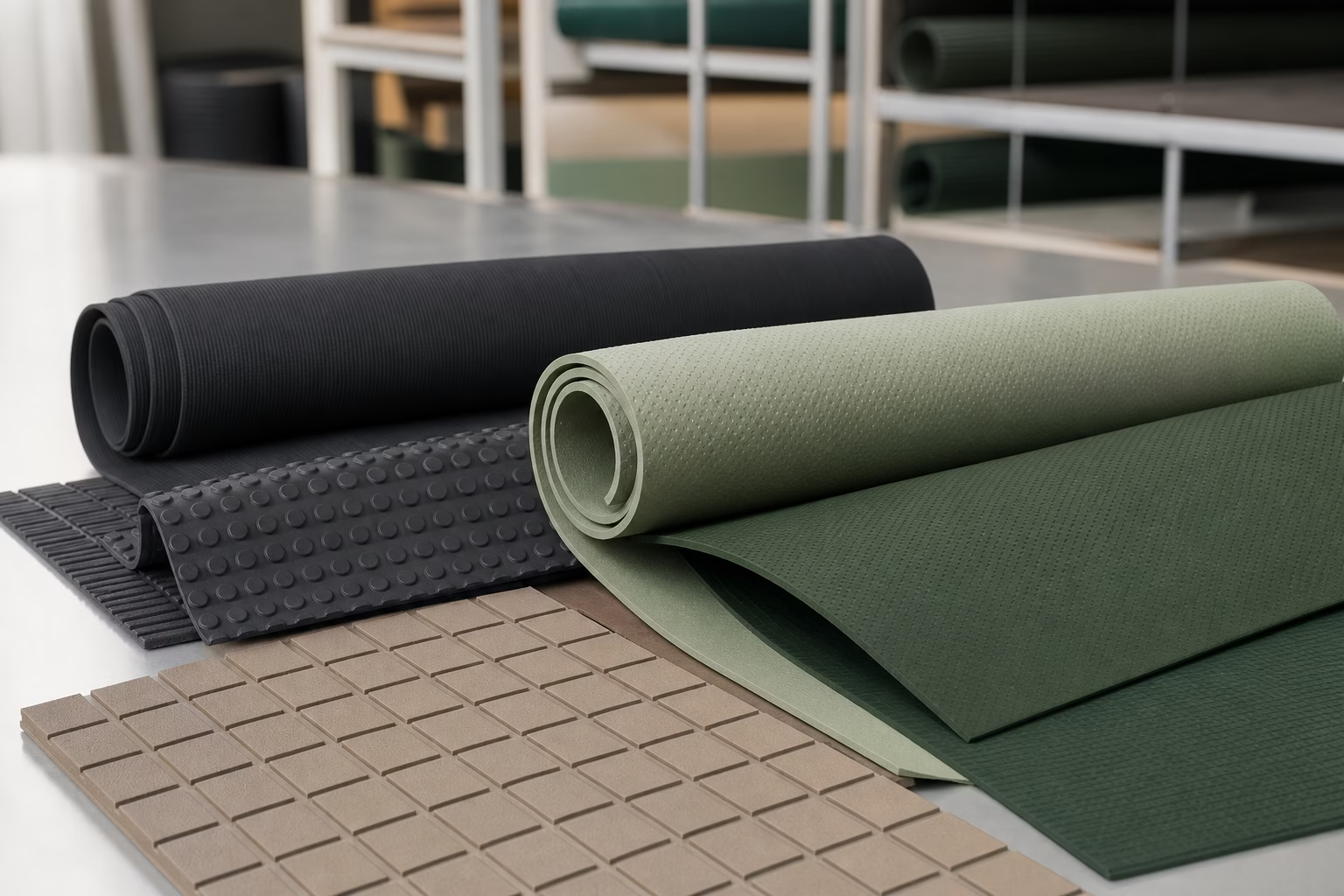
PVC anti-slip materials are supported within our custom mat manufacturing scope. EVA and PVC constructions are used for promotional, consumer and general-purpose applications, including projects where product format and cost priorities influence material selection.
Verified role: Base material for anti-slip mat applications
Important specification inputs: Contact area, thickness, dimensions, upper layer and supporting surface
Verified role: Flexible and anti-slip material for consumer, commercial, ergonomic and specialized mats
Important specification inputs: Flexibility, shape, thickness, contact surface and complete construction
PVC
Verified role: Anti-slip material within promotional, consumer and general-purpose mat manufacturing
Important specification inputs: Product format, dimensions, structure, customization and project cost priorities
Match the Upper Surface, Base and Laminated Structure
An anti-slip layer cannot be selected in isolation. The upper surface, bonding route and base must work as one construction. A suitable base material may still require adjustment if the upper layer, finished thickness or intended contact surface changes.
Upper Surface
Provides the specified product-facing surface and may carry printed artwork.
Intermediate Structure
Connects specified layers where a laminated construction is required.
Anti-Slip Base
Contacts the supporting surface and is selected around the application brief.
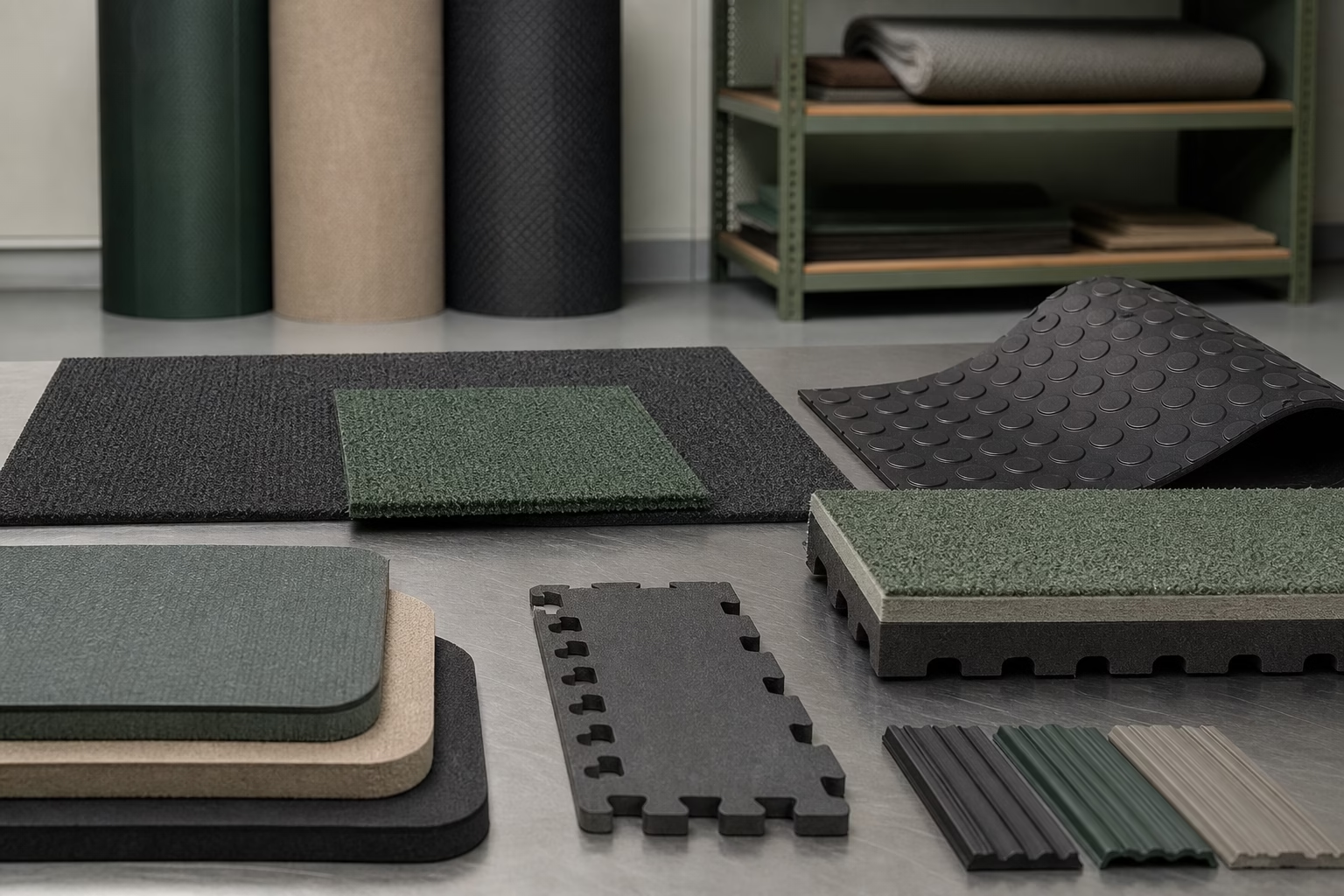
Specify Contact Area, Shape and Edge Construction
Mat geometry affects how much of the base contacts the supporting surface. Size, thickness, shape and cut-outs should therefore be defined as part of the stability brief rather than treated only as visual details.
Ninghow Mats supports laser cutting, die cutting and custom shaping for made-to-specification mat formats. Stitched-edge finishing is also available where it suits the selected construction. These processes support product geometry and finish, but no single cutting or edge method automatically improves grip.
Provide dimensioned drawings when the mat includes curves, openings, equipment clearances or other non-standard features. The specification should identify:
Overall length and width.
Finished thickness.
Corner form and outer profile.
Cut-outs or application-specific openings.
Required contact area beneath the mat.
Edge construction and visible finish.
Validate the Sample on the Intended Supporting Surface
A sample should be reviewed on the same type of surface intended for the finished product. Buyer-defined use conditions should also be recreated as closely as practical. This is more useful than judging grip from the material name alone.
Sample development is typically 3–5 days after specifications, materials and artwork are confirmed. This timing covers sample development and does not include an unconfirmed delivery schedule.
We do not publish a universal coefficient of friction, slip classification or certified pass result for these constructions. If your programme requires a defined test, provide the test method, contact surface, use conditions and acceptance criteria during project review. Any required third-party documentation must also be agreed for the project.
Confirm the material, dimensions, thickness, shape and complete layer structure.
Place the sample on the intended supporting surface.
Apply the buyer-defined use method and movement direction.
Review base contact, unwanted movement, lamination and finished geometry.
Record acceptance, required revisions or further testing before bulk approval.
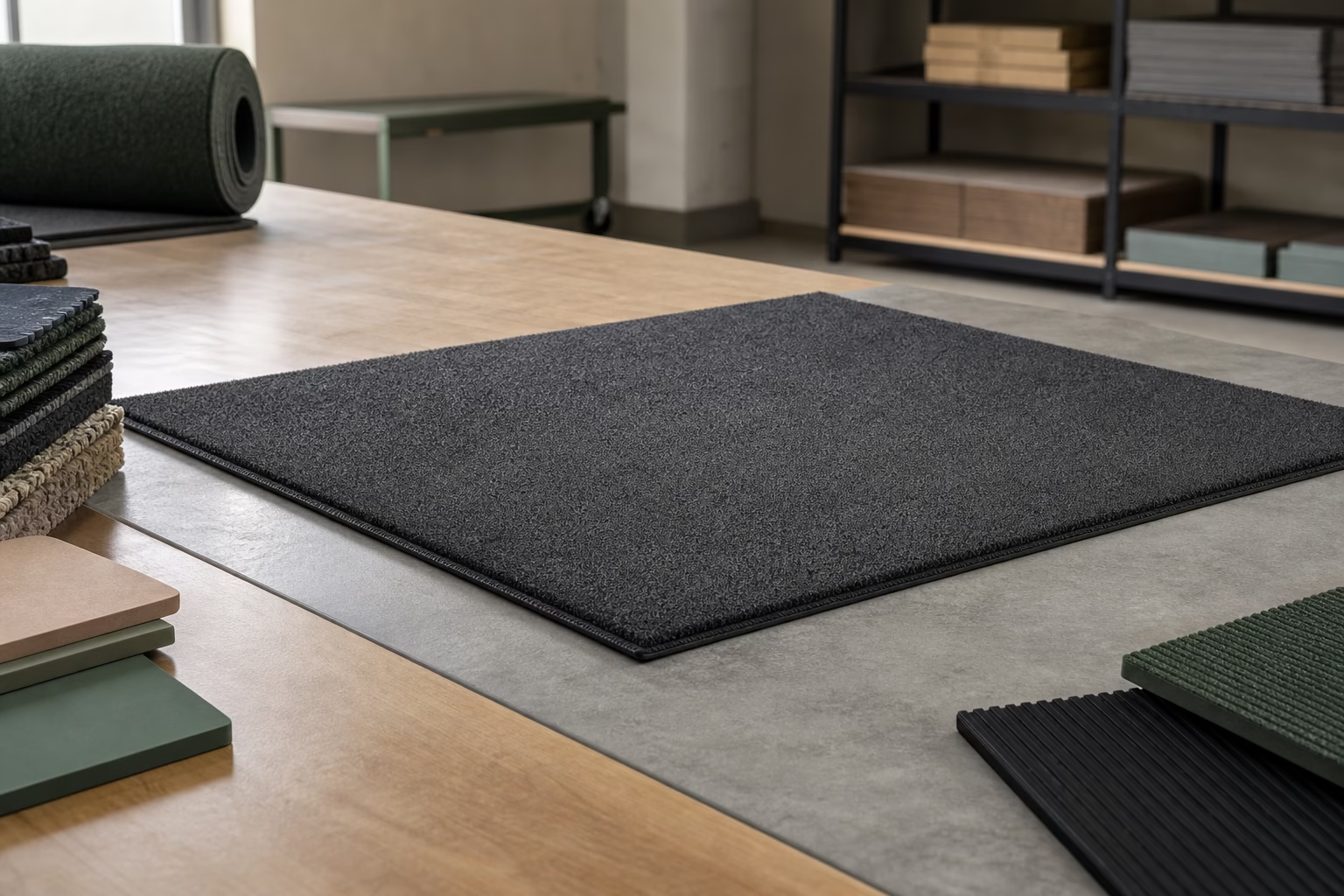
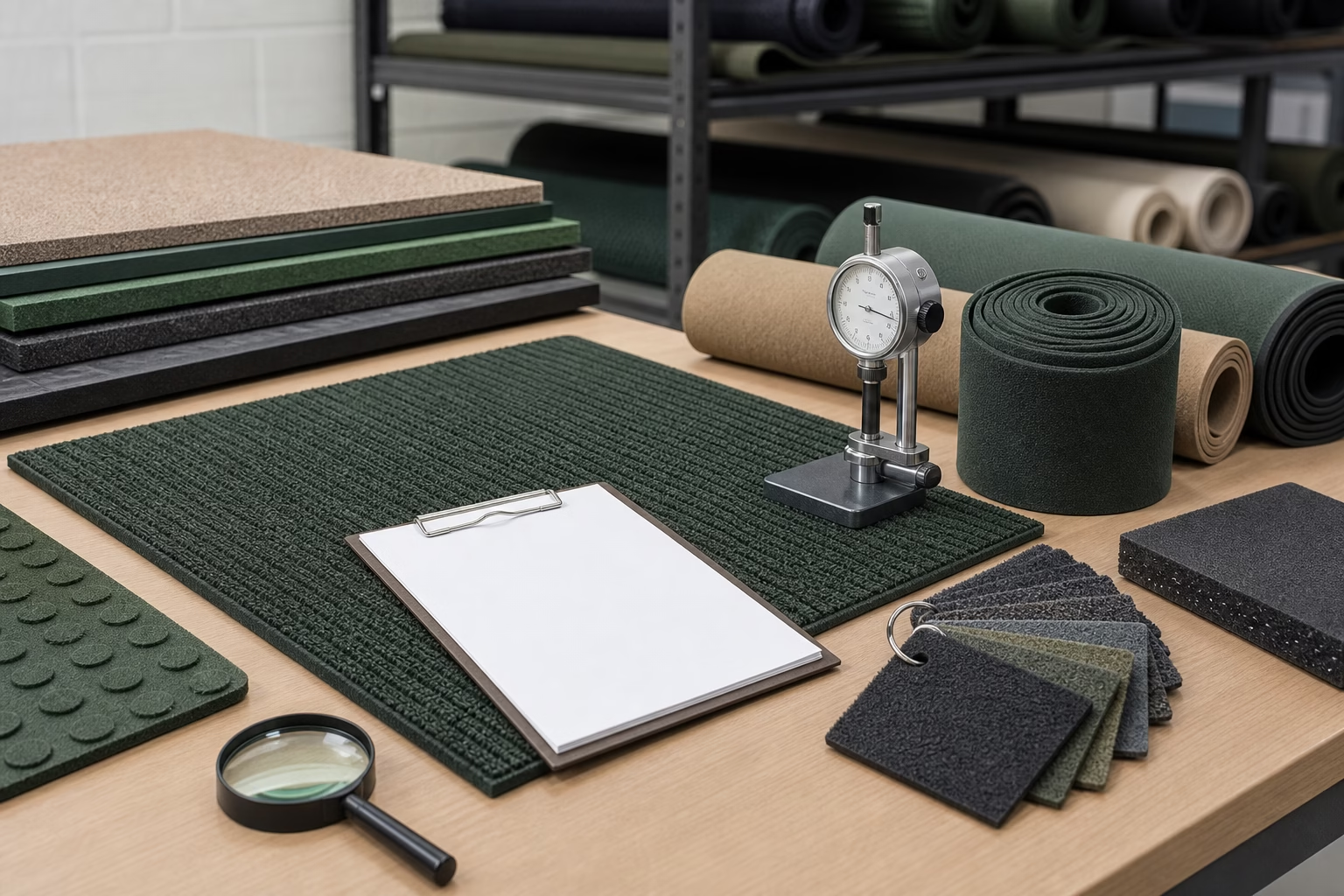
Control the Construction Through Relevant Quality Checks
Quality inspection supports construction consistency, but general inspection does not prove a specific slip rating. For anti-slip mat projects, our relevant controls cover incoming materials, dimensions, thickness, appearance, lamination, cutting, edge stitching and finished products.
When the construction includes branded artwork, printing and colour consistency are also checked. Packaging inspection is included where packaging forms part of the confirmed project requirements.
The manufacturing workflow can include material preparation, lamination, laser cutting, die cutting, custom shaping and stitched-edge finishing. These connected processes allow the base, upper surface and finished geometry to be reviewed as one product rather than as separate components.
Prepare Your Anti-Slip Mat Development Brief
A clear RFQ allows our team to assess material fit, manufacturing feasibility and sample requirements. Send the information available for your project, and we can support material and structure selection through an OEM or ODM development route.
Final material selection and construction depend on project review and confirmed specifications. Submit these details through our custom mat quotation form .
Product format and intended end use.
Supporting surface and use conditions.
Required dimensions, thickness and shape.
Preferred natural rubber, silicone or PVC route.
Upper-surface material and structure requirements.
Artwork and print requirements, if applicable.
Edge construction.
Order quantity.
Packaging requirements.
Required slip test method and acceptance criteria, if applicable.
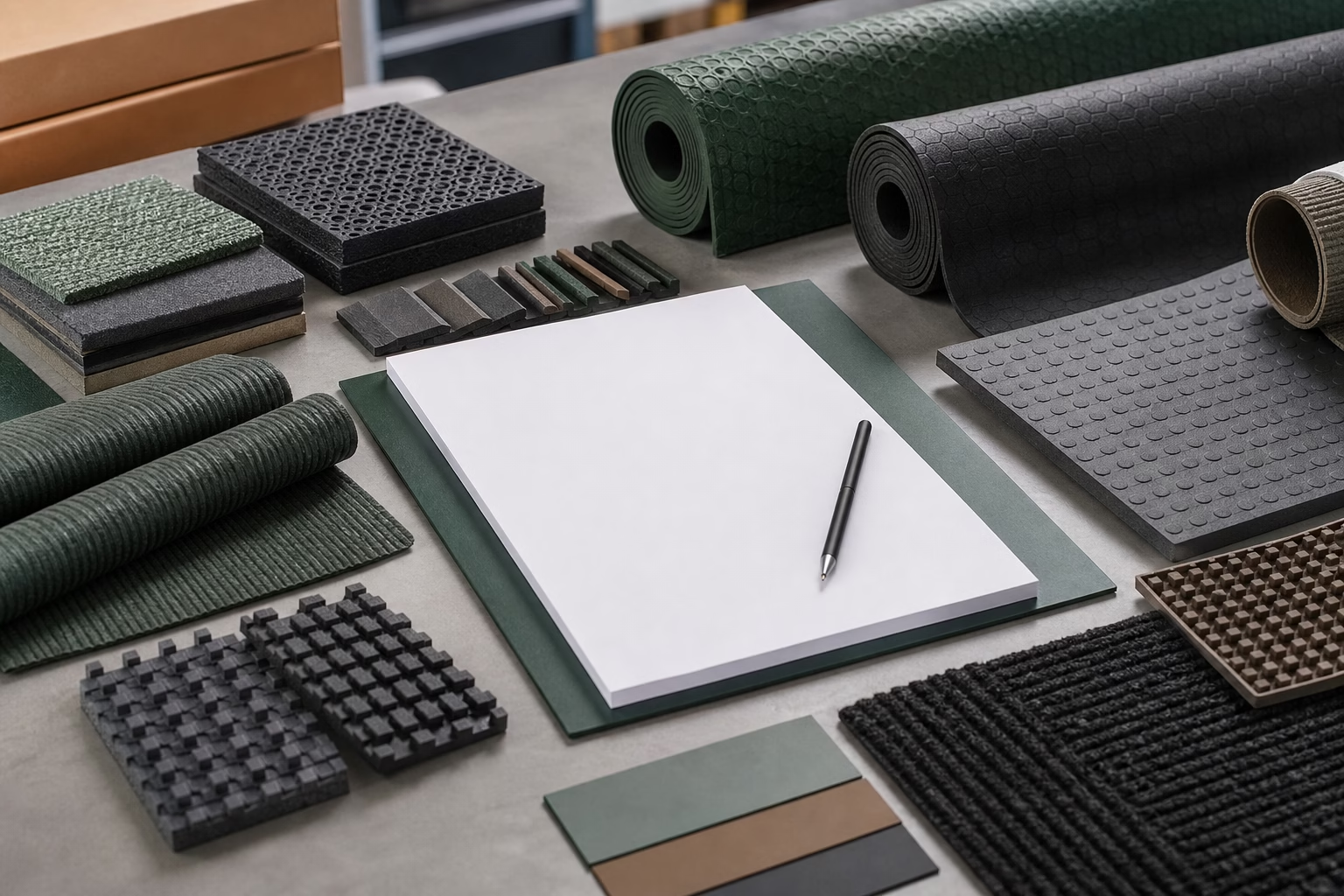
Review the Material Route Before Sample Development
Send the intended contact surface, product construction and validation requirements. Our team will review the natural rubber, silicone or PVC route and identify the information needed to move toward a sample.
FAQ
Frequently Asked Questions
Choose the material after defining the supporting surface, product format, flexibility, dimensions, thickness and complete structure. Natural rubber is used as a base for anti-slip applications. Silicone is a flexible and anti-slip option for consumer, commercial, ergonomic and specialized mats. PVC anti-slip materials are available for promotional, consumer and general-purpose products. A sample should be used to confirm the selected route for the intended application.
Yes. Ninghow Mats supports surface-to-base material matching, material preparation and lamination. Compatibility is reviewed against the specified upper surface, base, dimensions and finished construction. Artwork and printing requirements should be confirmed before sample development.
Identify the type and condition of the supporting surface, the direction of unwanted movement and the expected conditions of use. If a performance threshold applies, also provide the required test method and acceptance criteria. These details allow the material and sample to be reviewed against a defined requirement.
Yes. We support custom size, thickness and shape development, together with laser cutting, die cutting, custom shaping and stitched-edge finishing. The selected process depends on the material, geometry and complete product construction.
The sample should be placed on the intended supporting surface and reviewed under buyer-defined use conditions. Check unwanted movement, base contact, dimensions, thickness, lamination, cutting and edge construction. Sample development is typically 3–5 days after specifications, materials and artwork are confirmed.
A required method or threshold must be supplied and reviewed as part of the project. We do not claim a universal coefficient of friction, slip classification or certified performance result for all constructions. Provide the test procedure, supporting surface, use conditions, acceptance criteria and documentation requirements so feasibility can be assessed.