Made-To-Spec Custom Workbench Mats for Assembly and Maintenance
Ninghow Mats is a specialized supplier of custom workbench mats for workshop and industrial equipment buyers. We develop mats around the actual bench, task and product specification. Options include custom dimensions, thickness, materials, layered structures, printing, shapes, edges and packaging.
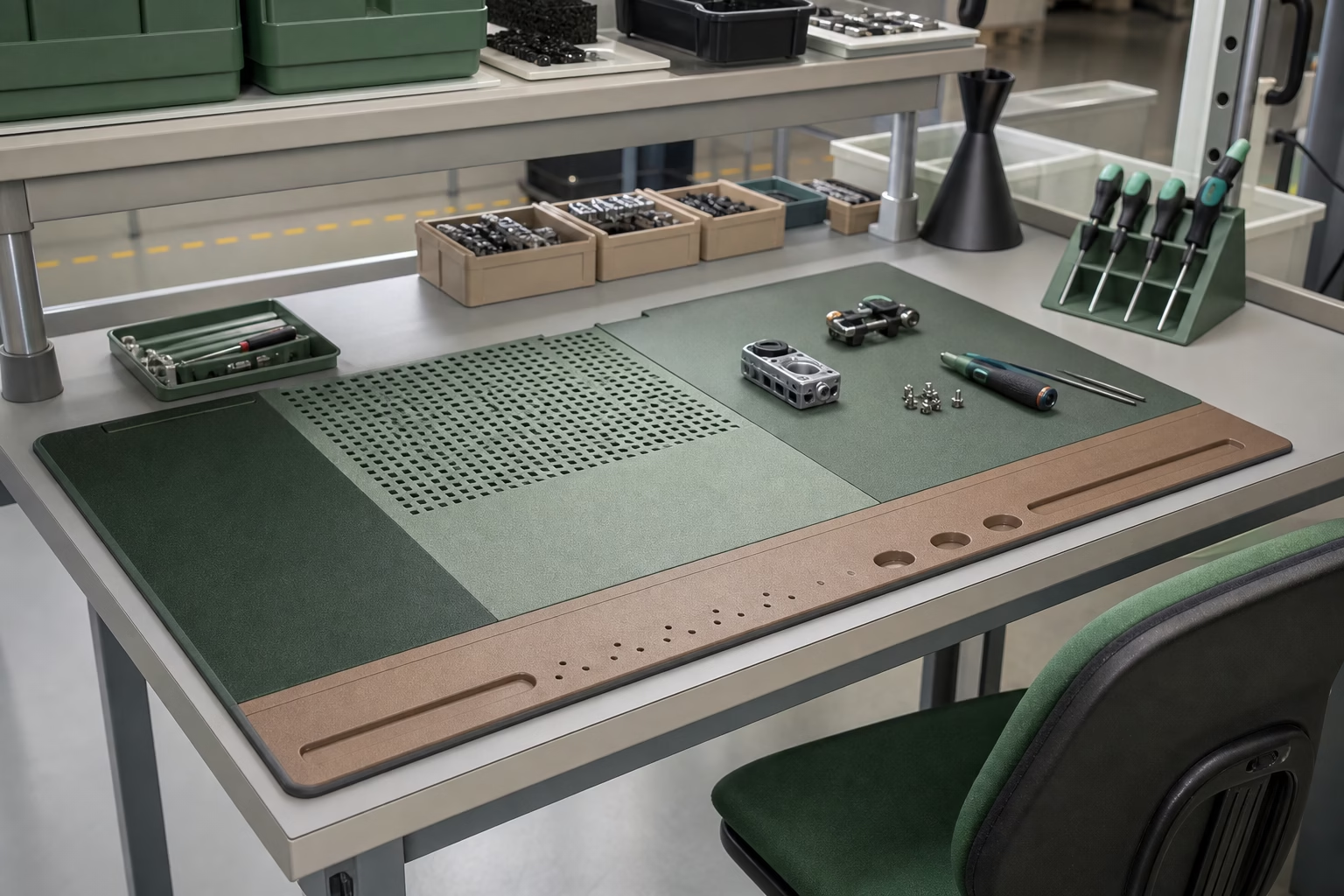
Choose a Mat for the Workbench Task
A workbench mat creates a defined surface for assembly, maintenance or parts-handling tasks. Its design should follow the bench layout and the activity performed on it. This is different from selecting a general mat without reference to the working area.
Ninghow Mats develops workbench mats, assembly mats, maintenance mats and protective work-surface mats. Common project goals include:
The end use must be reviewed before material selection. Heat, chemicals, sharp objects, fluids and electrical conditions can affect the specification. Tell us if any of these conditions apply. Performance must be assessed for the chosen construction rather than assumed from the product name.
Buyers comparing this format with other maintenance and work products can view our custom tool and work mat range .
Covering all or part of a workshop bench.
Creating a defined area for assembly work.
Providing a selected surface for tools or components.
Adding printed instructions, reference marks or branding.
Matching the mat shape to a machine, fixture or bench layout.
Preparing a product for private label or industrial equipment programs.
Our workbench mats support assembly, maintenance and protective work-surface applications. Sample development and production inspection help confirm the selected construction before bulk planning.
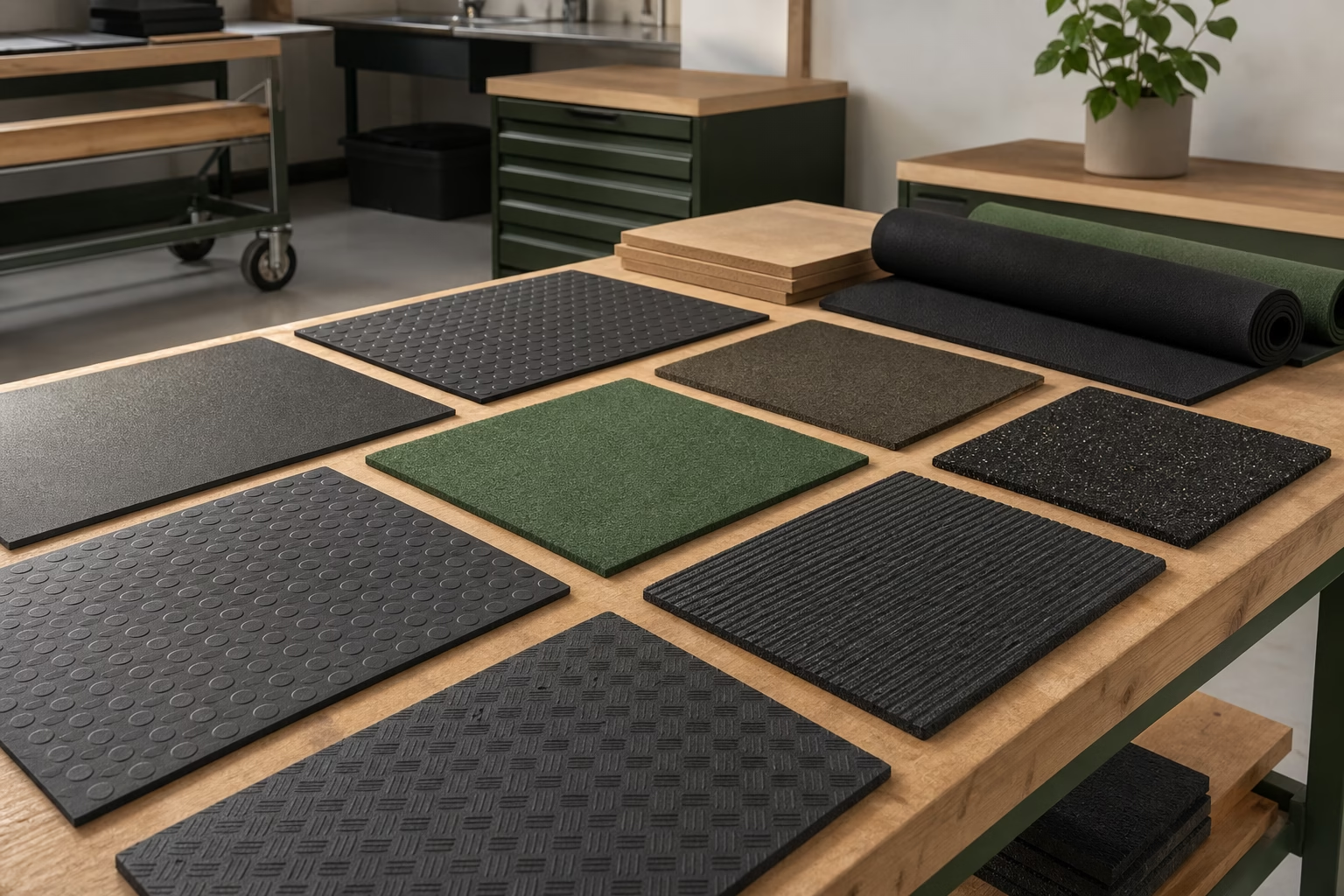
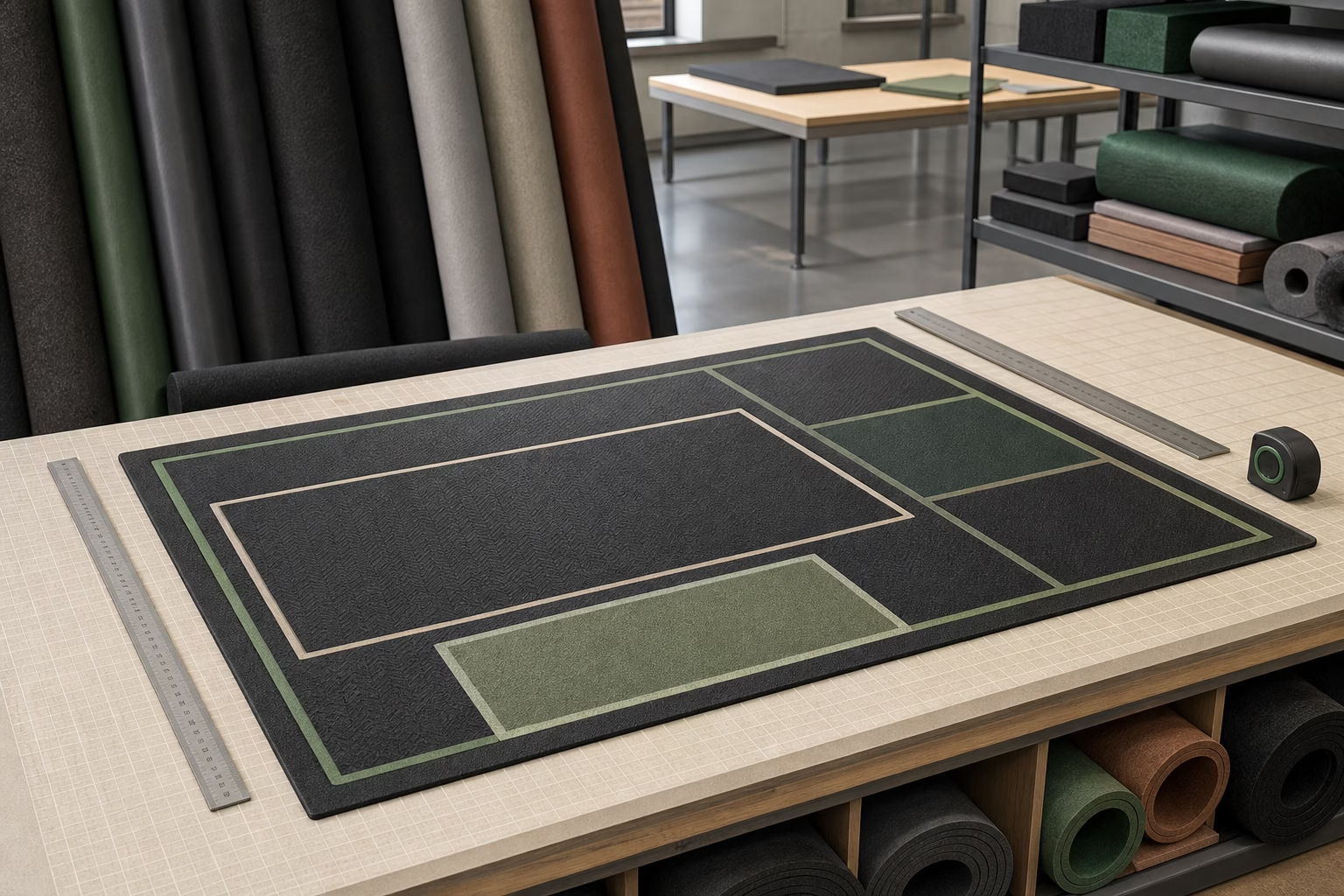
Define Bench Coverage, Dimensions and Work Zones
Start with the actual bench dimensions. Then decide if the mat should cover the full surface or only a task area. A made-to-spec layout avoids relying on a standard size that may not fit the workplace.
A useful dimensional brief includes:
Drawings are helpful for complex layouts. They can show outer dimensions, curves, cut-outs and print locations. Photos of the bench can also provide context, but dimensions should still be supplied.
Our custom mat specification guide provides a broader method for defining size, thickness, surfaces, bases, edges and packaging.
Overall mat length and width.
Required coverage on the bench.
Corner shape and edge profile.
Cut-outs or shaped areas shown on a drawing.
Location of tools, parts, fixtures or equipment.
Printed work zones and artwork position.
Orientation when the operator faces the bench.
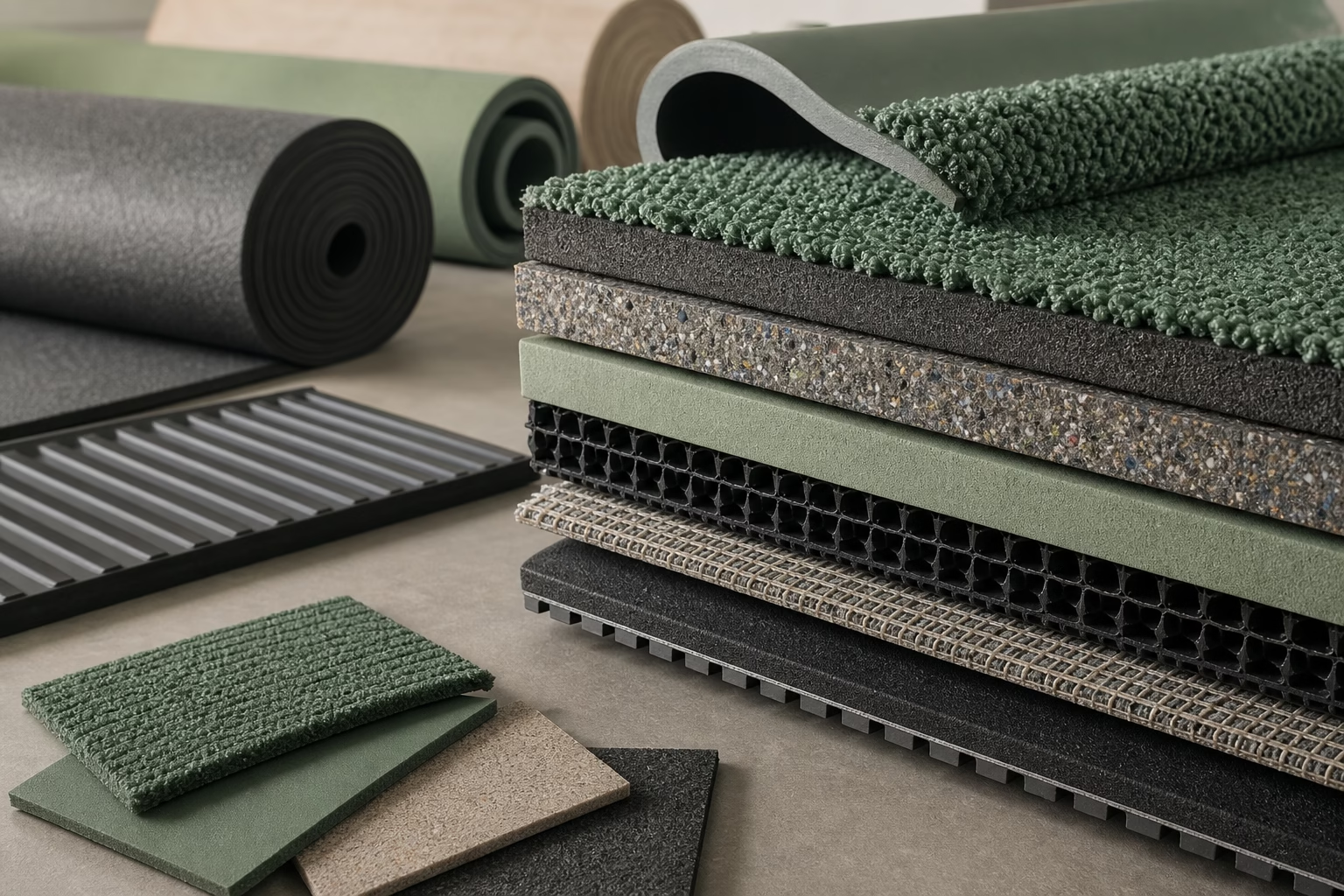
Plan Thickness, Softness and the Layered Construction
Thickness and softness influence how a mat feels and sits on a workbench. They also affect material use, edge design and packaging. The correct choice depends on the task and the complete structure.
A workbench assembly mat may use one material or several joined layers. A layered design can combine a working surface with a softer internal layer or a stable base. Material lamination is available for constructions that require joined layers.
Describe the items handled on the mat. Include their size, shape and general weight category. Also explain how operators move tools or parts across the surface. These details give us a clearer basis for material and sample review.
No thickness alone proves resistance to cuts, impact, heat or chemicals. Such needs must be stated as separate project requirements. They should be checked against the selected material and sample.
Compare Materials for the Intended Work Area
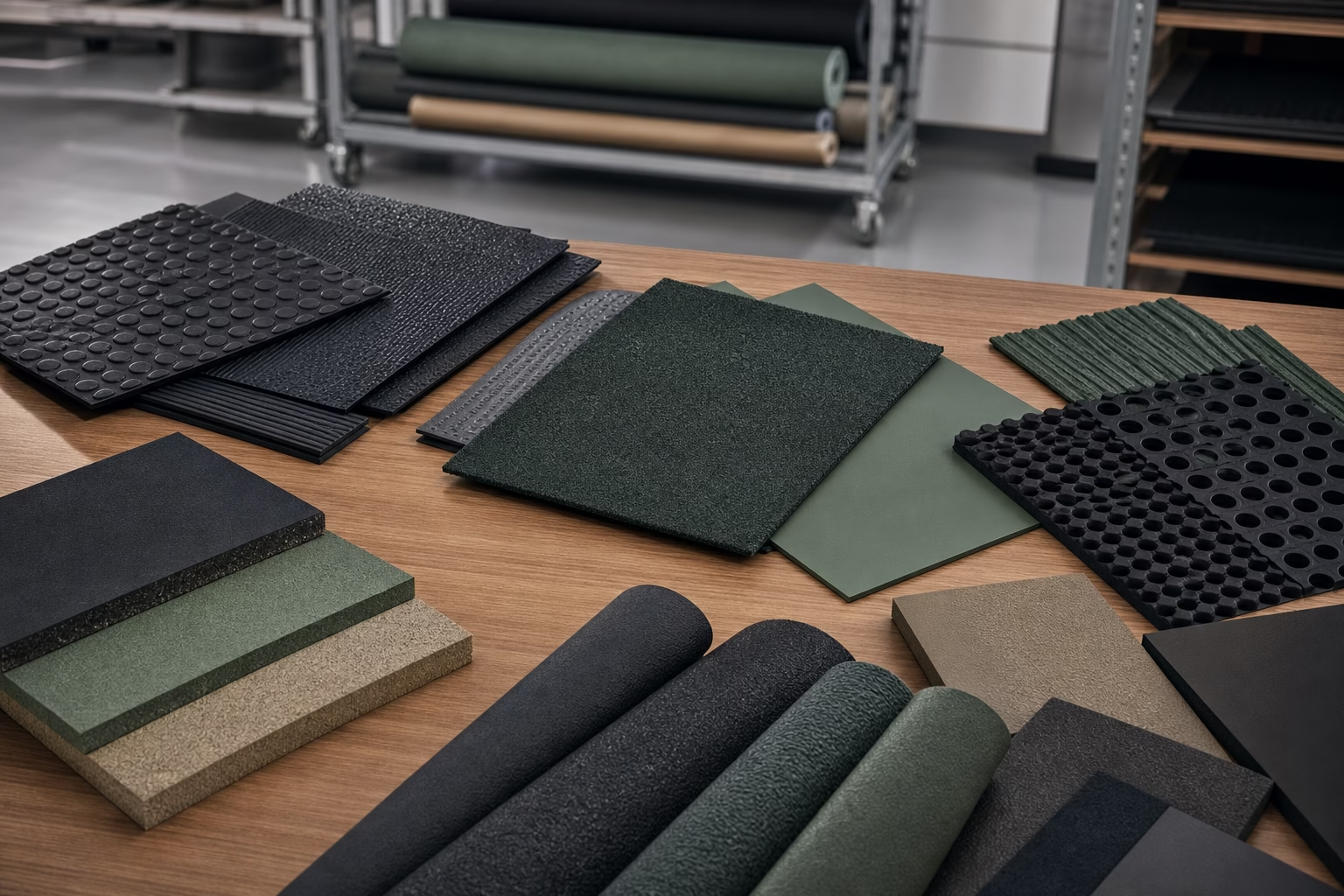
Ninghow Mats processes natural rubber, PORON and microcellular PU foam, silicone, EVA foam and PVC anti-slip materials. Each material has a different role within a workbench mat. The final choice also depends on the surface, base and layer arrangement.
General role: Used for anti-slip support, cushioning and base structures
Points to review in a sample: Thickness, softness, base contact and overall stability
General role: Used where controlled softness, support or surface stability is needed
Points to review in a sample: Compression feel, layer pairing and fit for the task
General role: Provides a flexible material route with anti-slip uses
Points to review in a sample: Surface feel, flexibility, shape and bench contact
EVA Foam
General role: Supports lightweight and cost-oriented constructions
Points to review in a sample: Thickness, firmness, shape and surface pairing
PVC Anti-Slip Material
General role: Can serve as an anti-slip material within the selected structure
Points to review in a sample: Base contact, flexibility and compatibility with other layers
Specify the Surface, Base and Workplace Conditions
The top surface and base serve different purposes. The surface meets the tools, parts and operator activity. The base meets the bench. Both must be considered together.
For the working surface, describe the desired feel and finish. State if printed guidance or visual zones are needed. Explain how tools and components will contact or move across the mat.
For the base, identify the bench material and its condition. A smooth painted bench may need a different review from a textured or worn surface. State if the mat will remain in one place or be moved between work areas.
Cleaning expectations also belong in the project brief. Identify the expected cleaning method and any substances that may contact the mat. We do not assume resistance to a substance without project-specific material review.
Buyers with broader protection requirements can visit our work-surface protection mat solutions page.
Select Shape, Printing and Edge Construction
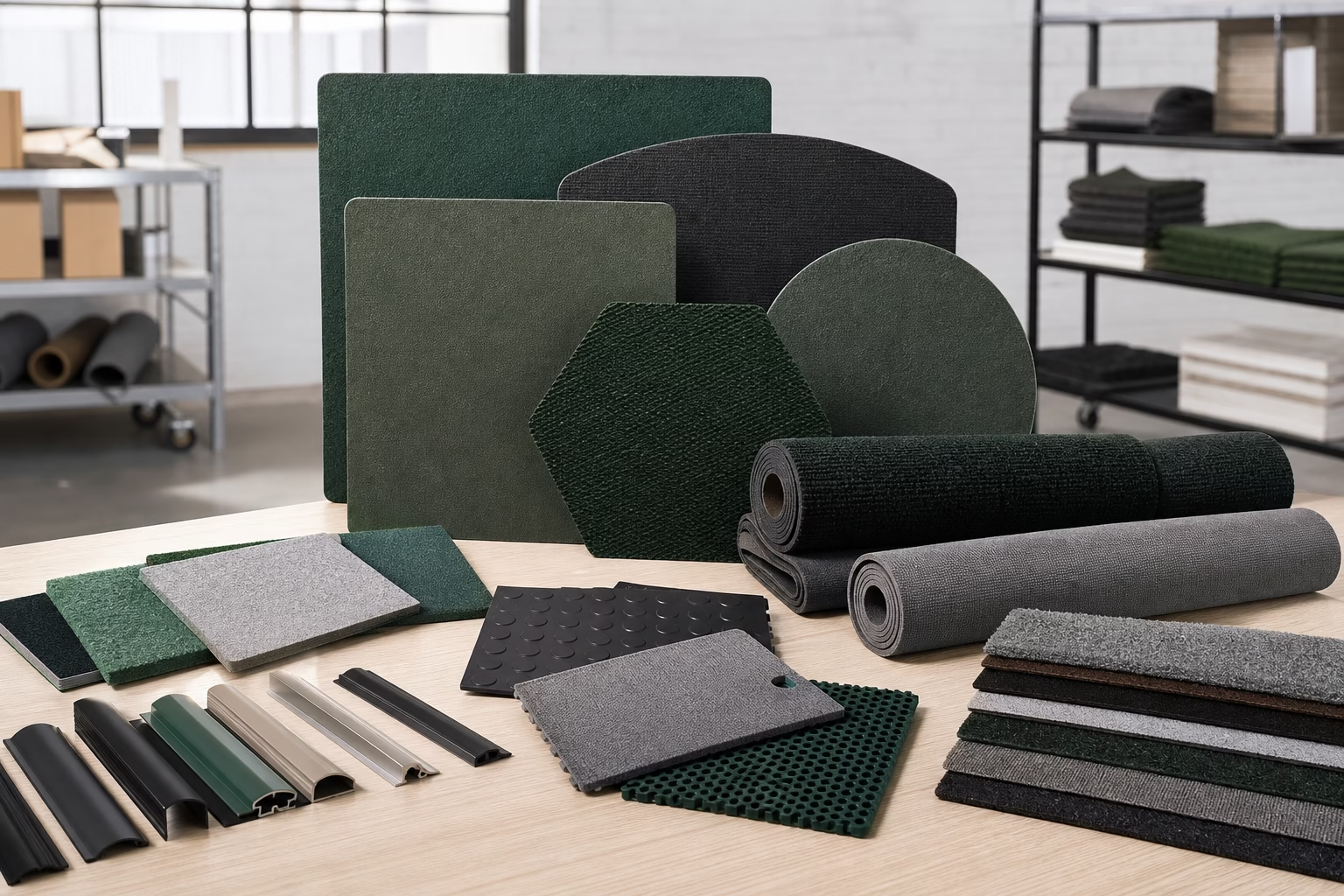
Custom shaping can adapt the mat to a bench, fixture or defined task area. Available processes include laser cutting, die cutting and custom shaping. The suitable method depends on the material, construction and design.
Digital printing and heat-transfer processing are available for compatible mat structures. Printed content may include logos, product graphics, work zones, reference marks or handling instructions. Artwork must be reviewed with the intended print area and cutting path.
Stitched-edge finishing can also be considered. It is not suitable for every material or shape. Tight curves, cut-outs and layered edges may affect the finishing route.
A practical design review should confirm:
The final outer shape.
The cutting method suited to the construction.
The safe position of artwork near cut edges.
The required print orientation.
The edge finish and thread area, when stitching is selected.
The relationship between shape, thickness and packaging.
Approve the Sample on the Intended Bench
A sample turns the project brief into a physical product for review. Check it on the bench where the mat will be used. This shows whether the size, shape and layout match the real work area.
Fit
Confirm the overall dimensions, coverage and orientation.
Structure
Check thickness, softness and the pairing of surface and base materials.
Shape
Review corners, curves, cut-outs and alignment with fixtures.
Printed Layout
Confirm artwork position, work zones and visual direction.
Edges
Inspect cut edges or stitched-edge construction where applicable.
Use Conditions
Place representative tools or components on the sample and assess it against the stated task.
OEM, Private Label and Bulk Order Controls
We support OEM and ODM development, private label manufacturing and bulk workbench mat programs. Services can include material selection, structure development, custom sizing, artwork review, sampling, packaging and order coordination.
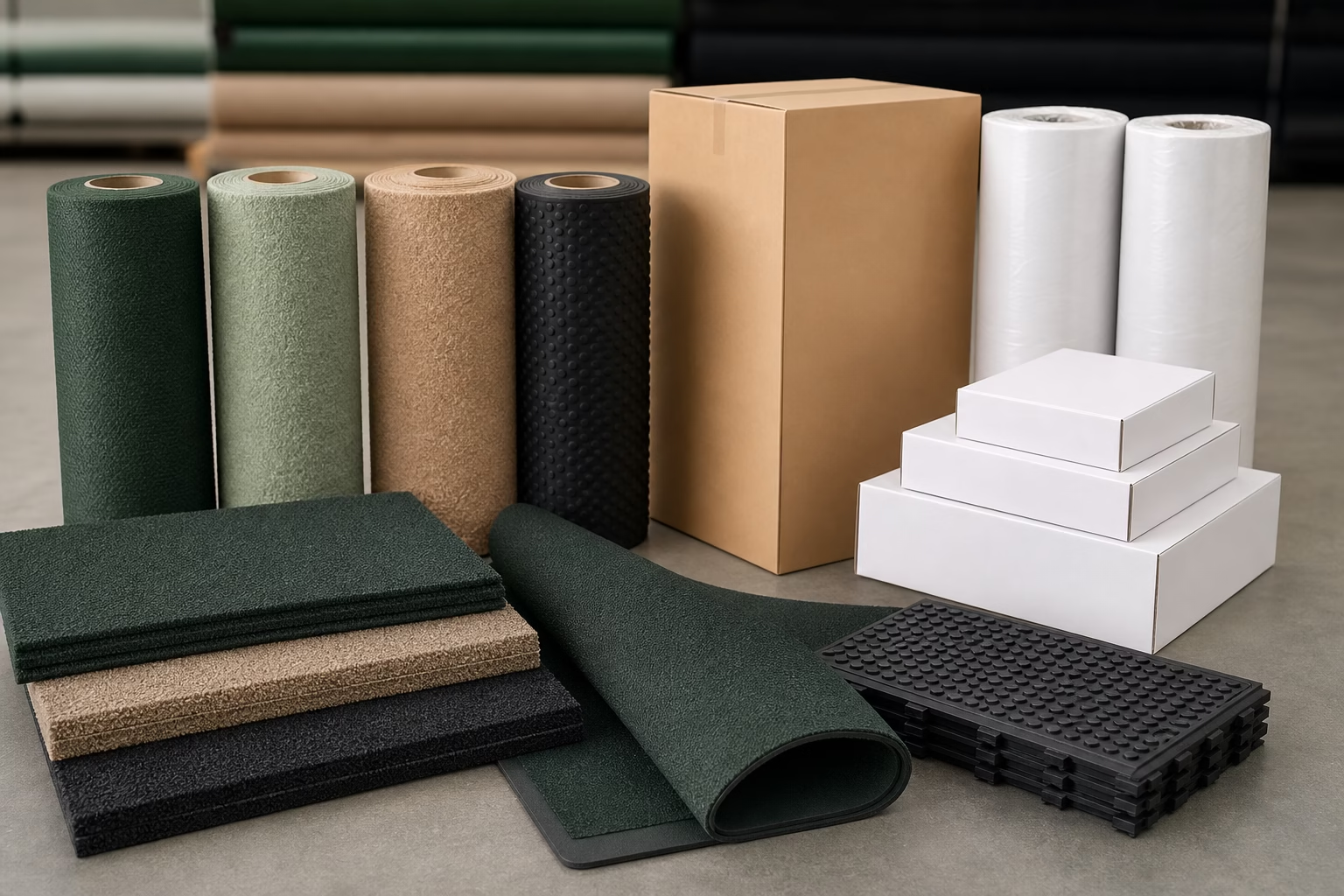
Standard export packaging and customized private label, retail or shipping packaging are available according to project requirements. Packaging should be selected after the mat dimensions, structure and presentation needs are known.
Final order conditions and production timing depend on the product specification. Material, size, construction, quantity and customization all affect planning. These details are confirmed for each project rather than treated as fixed for every workbench mat.
Production inspection may cover incoming materials, dimensions, thickness, appearance and printing. Checks can also include cutting, edge stitching, lamination, finished products and packaging. Available ISO9001, RoHS and REACH resources can be reviewed where relevant. Report applicability must be confirmed for the selected material and project.
Prepare a Workbench Mat Quotation Brief
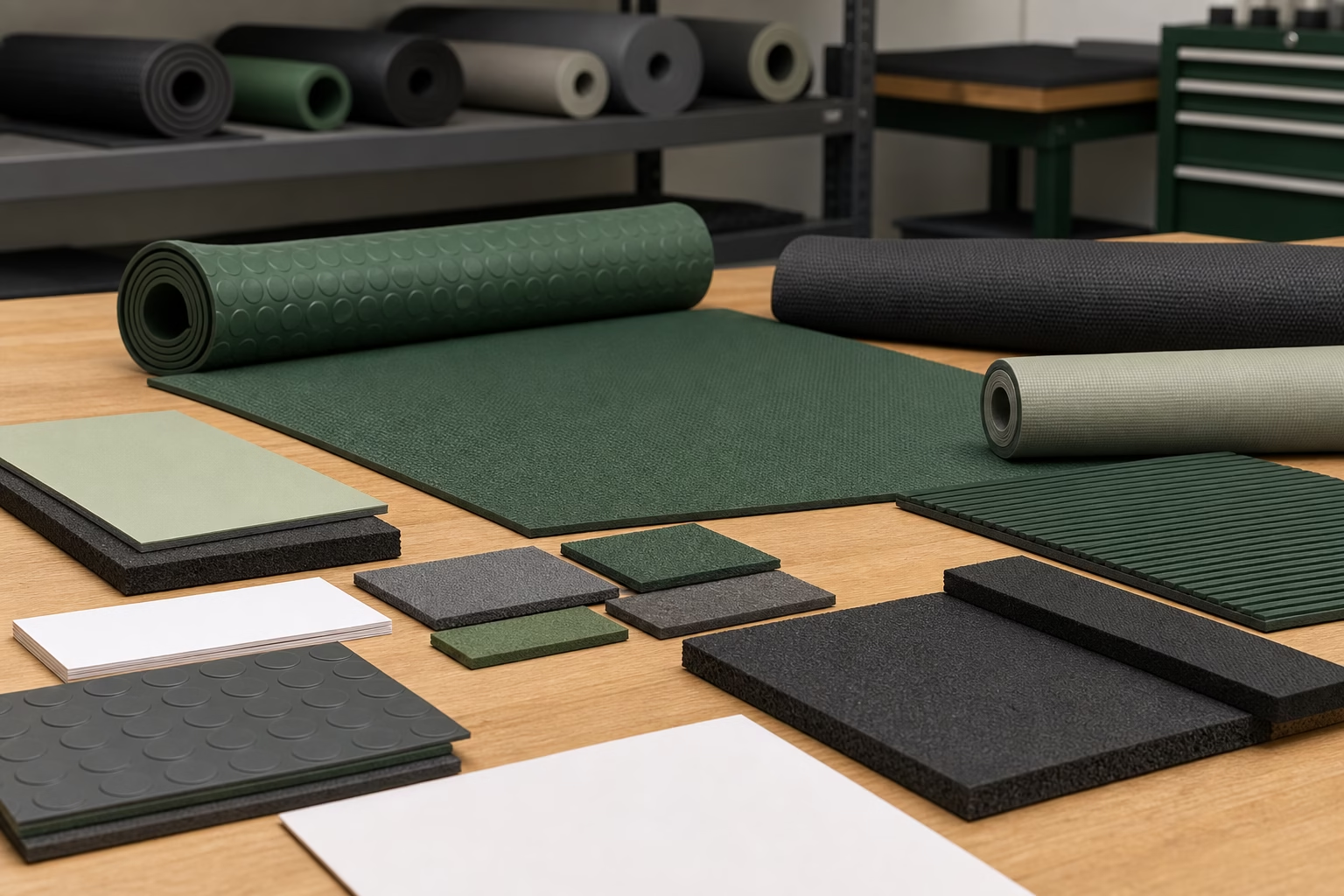
Ninghow Mats supplies made-to-spec workbench mats for assembly, maintenance and work-surface protection programs. A complete brief helps us review the proposed materials, construction and production route.
Please include:
Drawings, photographs and existing product references can support the review. We will assess the request against the stated application and available manufacturing processes.
Workbench application and operating environment.
Bench dimensions and required coverage.
Mat length, width and shape.
Material preference, if known.
Required thickness and softness.
Surface feel and base requirements.
Tools, parts or components used on the mat.
Artwork files and print layout.
Preferred edge construction.
Order quantity and packaging needs.
Delivery destination for shipment planning.
FAQ
Frequently Asked Questions
Provide the application, bench dimensions, required coverage, shape and material preference. Include thickness, surface, base, artwork, edge, quantity and packaging requirements. Workplace conditions should also be disclosed when they may affect material selection.
Available material families include natural rubber, PORON, microcellular PU foam, silicone, EVA foam and PVC anti-slip materials. Selection depends on the required softness, flexibility, base contact, surface stability and complete mat structure.
Yes. We support custom size, thickness and shape development. Surface and base materials can also be matched for the project. A drawing is useful when the design includes curves, cut-outs or defined work zones.
Yes. We support OEM, ODM and private label projects. Services can include artwork development, printing, branding, labels, packaging customization and bulk order coordination.
The production route depends on the material and design. Available processes include digital printing, heat transfer, laser cutting, die cutting, custom shaping and stitched-edge finishing. Compatibility is reviewed before the sample is prepared.
Check fit, dimensions, thickness, surface feel, base contact, shape and printed layout. Review the edge construction and place the sample on the intended bench. Approval should be based on the agreed specification and stated work conditions.
Start Your Project
Discuss Your Custom Mat Product Requirements
Share your product concept, drawing, reference sample, target quantity, branding and packaging requirements. The NINGHOW MATS team will review feasibility and prepare the next project step.