Custom Tool and Work Mats Built Around Your Application
Ninghow Mats is a specialized mat manufacturing division that develops custom tool mats and work mats for tool, hardware and equipment brands. We support made-to-specification products for tool organization, maintenance, assembly and work-surface protection, including material selection, printing, lamination, shaping and edge finishing.
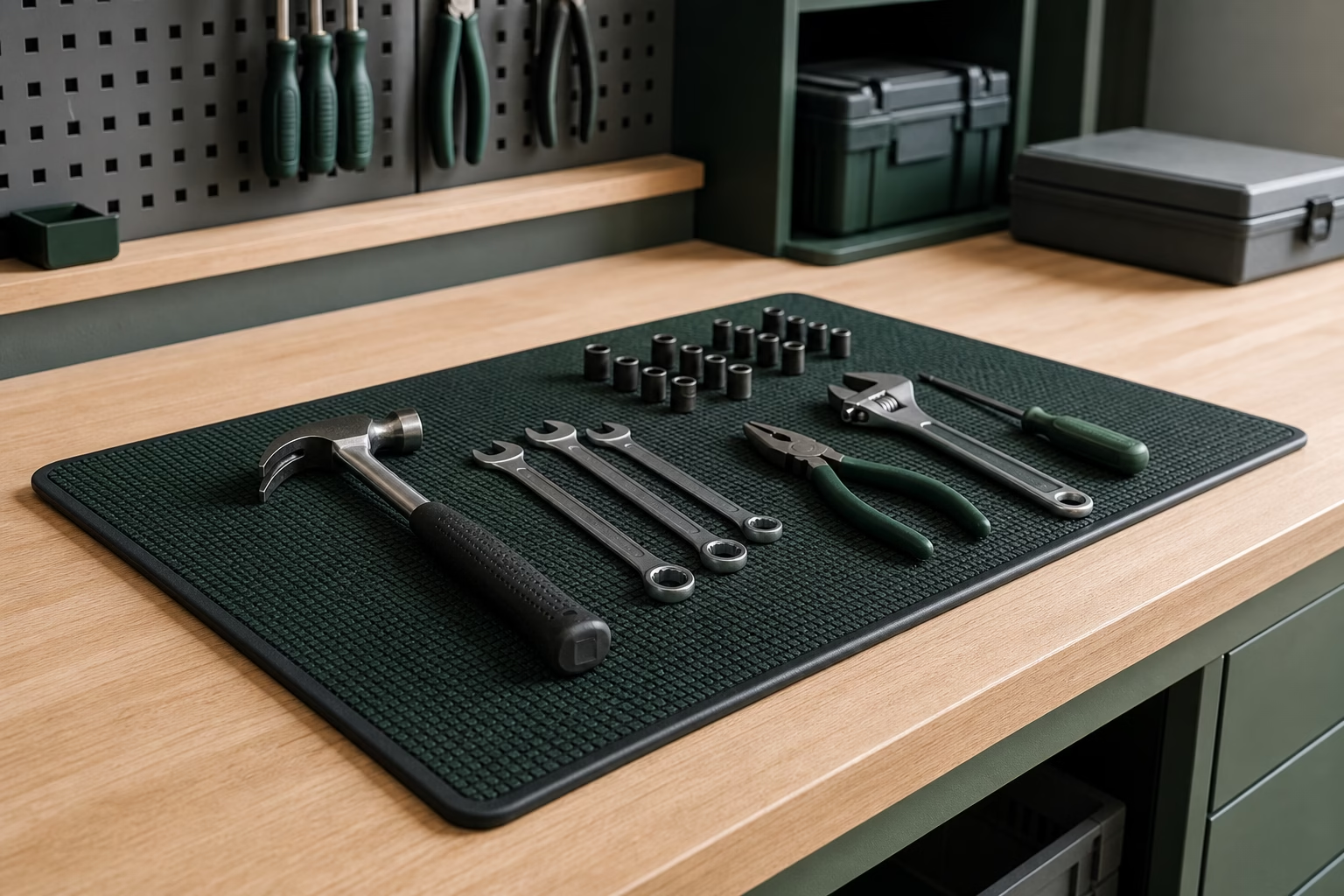
Choose the Right Tool or Work Mat Format
Tool and work mats should be specified around the task, tools and workspace rather than selected as a general-purpose design. Ninghow Mats develops several formats for B2B product and supply programs:
Specification-led constructions for projects that require a magnetic element.
Mats developed around bench dimensions, work zones and handling requirements.
Maintenance Mats
Defined work areas for maintenance tasks and tool placement.
Assembly Mats
Custom surfaces planned around parts, tools and assembly layouts.
Protective Work Mats
A tailored layer between the work activity and the supporting surface.
Define the Maintenance, Assembly or Organization Task
The intended task determines the starting specification. A mat used to organize a group of tools may need a different layout, shape and surface from one designed around an assembly station or equipment footprint.
Tool Organization
Key specification inputs: Tool count, tool dimensions, placement pattern and handling method
Typical development focus: Defined layout, custom shape and optional printed positioning
Maintenance Work
Key specification inputs: Work area, equipment footprint, tools used and movement around the mat
Typical development focus: Surface requirements, base structure and work-zone boundaries
Assembly Tasks
Key specification inputs: Parts, process stages, bench layout and handling needs
Typical development focus: Dimensions, cushioning or support needs and functional artwork
Key specification inputs: Surface dimensions, contact points and placement conditions
Typical development focus: Material structure, thickness, stability and coverage
Build a Clear Tool Mat Specification
A useful development brief connects every product choice to the tools, parts and workspace involved. The main specification points are:
Overall Dimensions
State the required length, width and measurement method.
Thickness
Define the target or explain the required feel and support.
Shape
Provide a drawing when the mat must follow a bench, machine or equipment outline.
Surface Requirements
Describe the intended contact, printed layout or branded presentation.
Base Requirements
Explain how and where the mat will be positioned.
Softness and Support
Relate the required feel to the tools, components or work process.
Edge Construction
Indicate whether a cut edge, custom-shaped edge or stitched finish is required.
Packaging
Identify standard export, private-label, retail or shipping-packaging needs.
Select Materials and Layered Structures for the Required Function
Ninghow Mats supports natural rubber, PORON or microcellular PU foam, silicone, EVA foam and PVC anti-slip materials. A project may use a single material or a matched surface-and-base structure produced through lamination.
Can be considered where anti-slip properties, cushioning or support are part of the product brief.
Suitable for projects that call for controlled softness, support or surface stability.
A flexible material option for anti-slip and specialized mat constructions.
EVA Foam
A lightweight, cost-oriented option for suitable general-purpose designs.
PVC Anti-Slip Material
Available for projects requiring a PVC-based surface or base construction.
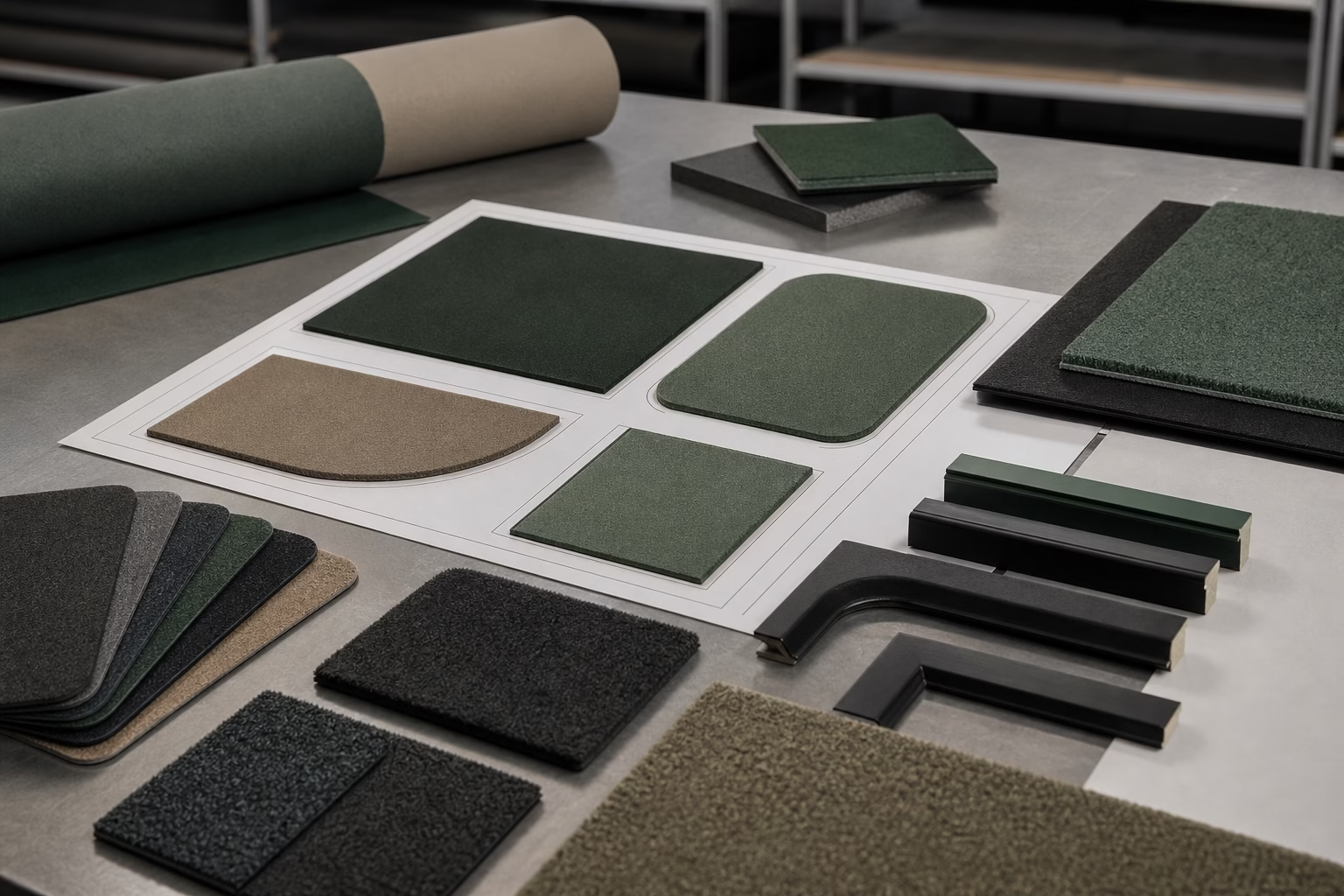
Plan the Shape, Printed Layout and Edge Finish
Tool placement and workspace boundaries often affect the finished shape. A mat may follow a rectangular bench area, a defined tool layout or a custom equipment footprint. Ninghow Mats supports laser cutting, die cutting and custom shaping for suitable specifications.
Digital printing and heat-transfer processing can add logos, patterns, tool-position graphics, work zones or other functional artwork. Surface and base materials can also be laminated before cutting and finishing. When the design calls for a finished border, computerized edge stitching is available.
Provide artwork with the intended print area, orientation and placement. Our team reviews the design together with the mat dimensions, cutting route and edge construction before sample development.
Compare Magnetic Tool Mats and Workbench Mats
A magnetic tool mat is a specialist route for a project that specifically requires magnetic construction. The enquiry should identify the tools or parts involved, the intended placement area, mat dimensions, surface requirements and any printed or branded elements. Magnetic construction should not be assumed for every tool mat.
See custom magnetic tool mats for the detailed development route.
A workbench mat is defined mainly by the bench, maintenance or assembly task. Its specification usually begins with work-area dimensions, equipment or tool placement, thickness, surface and base requirements, shape and edge treatment.
See custom workbench mats for workbench-specific planning.
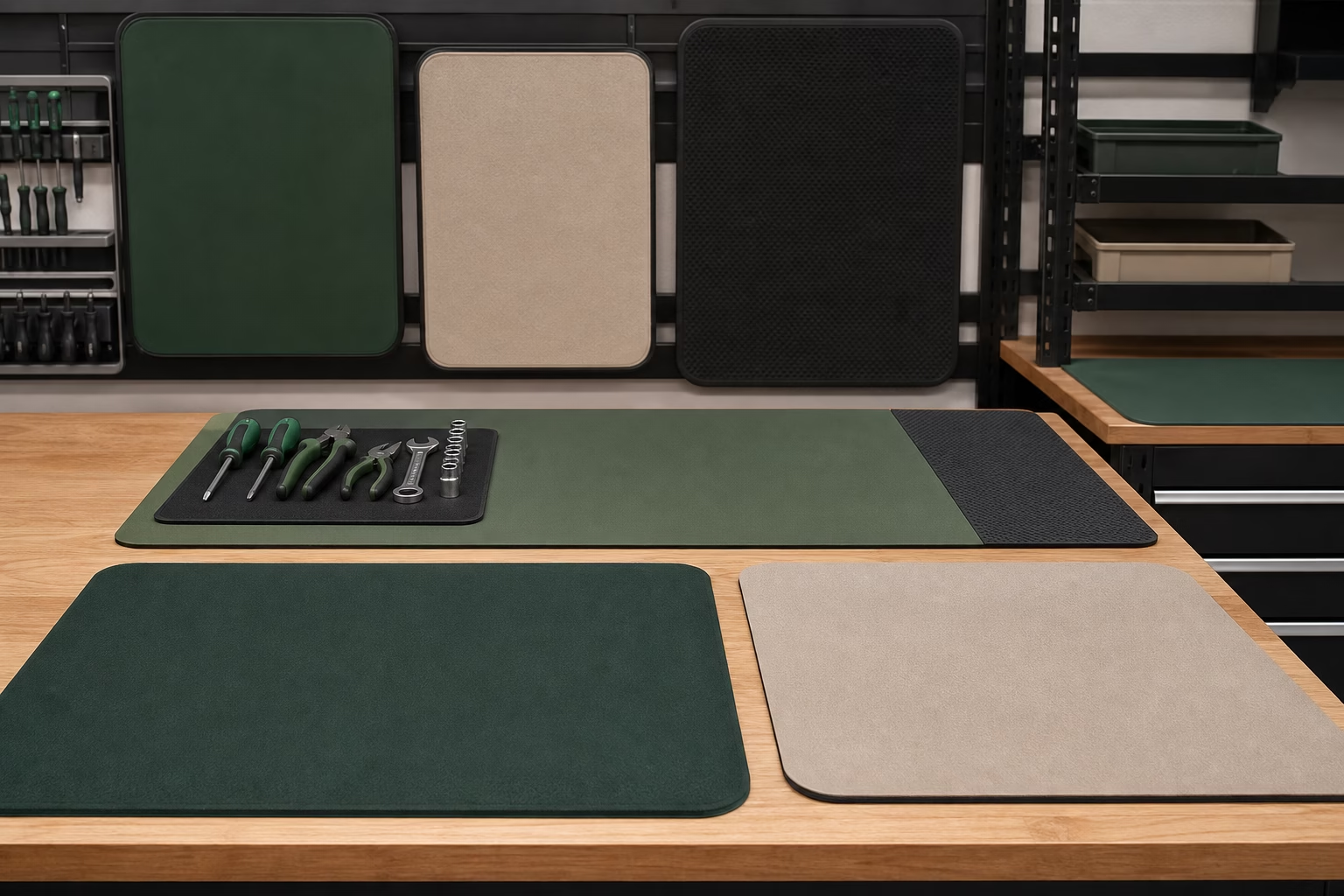
Plan Samples, Packaging and Bulk Production
Sample development typically takes 3–5 days after the specifications, materials and artwork are confirmed. The sample provides a review point for dimensions, thickness, construction, appearance, printing, cutting, edges and packaging details relevant to the project.
Bulk production typically takes 12–18 days after sample approval and order confirmation. Final timing depends on the product specifications, quantity and customization requirements. Order quantity is also confirmed according to the product, material, size and required customization.
Standard export packaging is supported. Customized private-label, retail and shipping packaging can also be developed according to project requirements. Packaging details should be agreed before bulk production so that the product and packing format can be reviewed together.
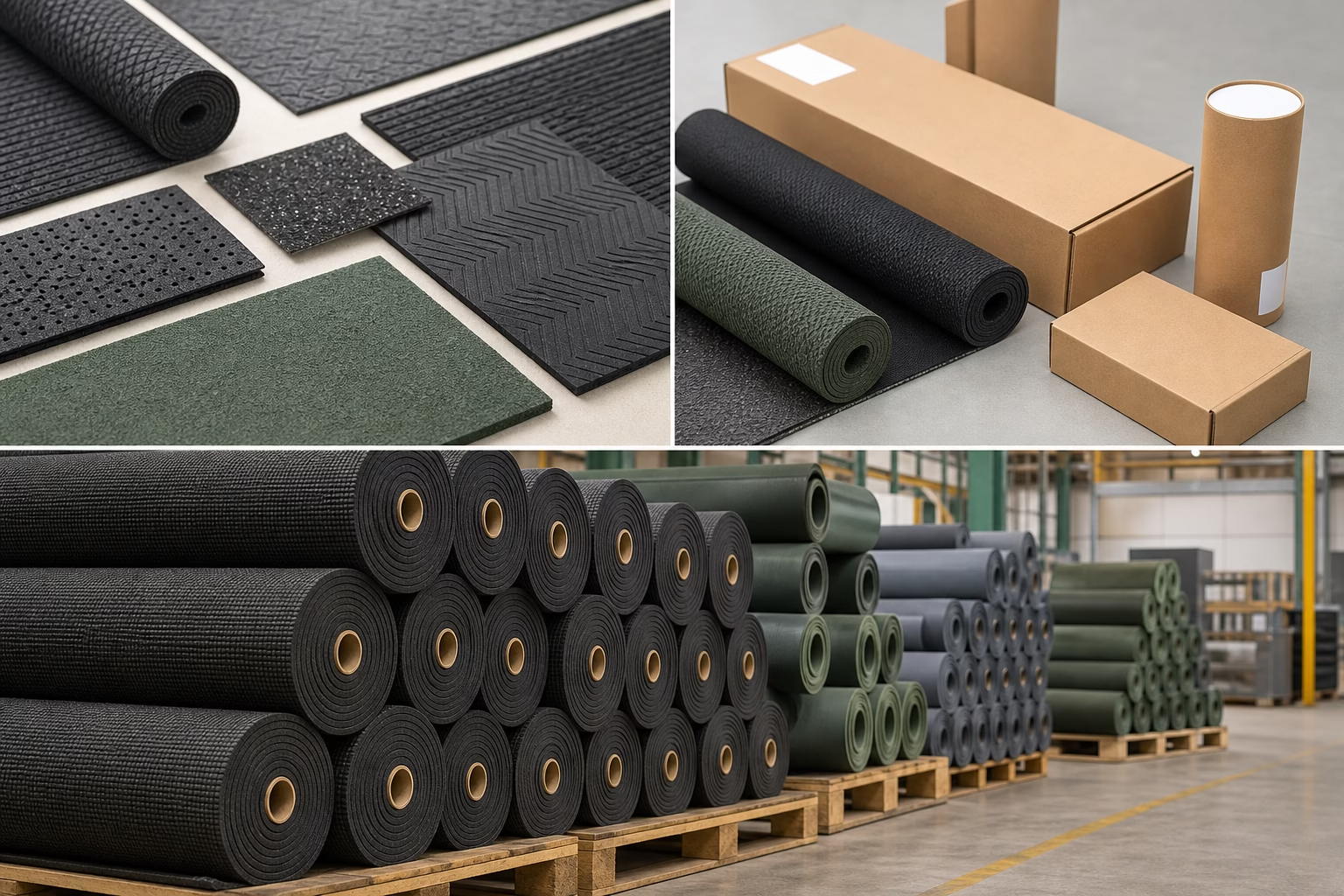
Inspection Points for Custom Tool and Work Mats
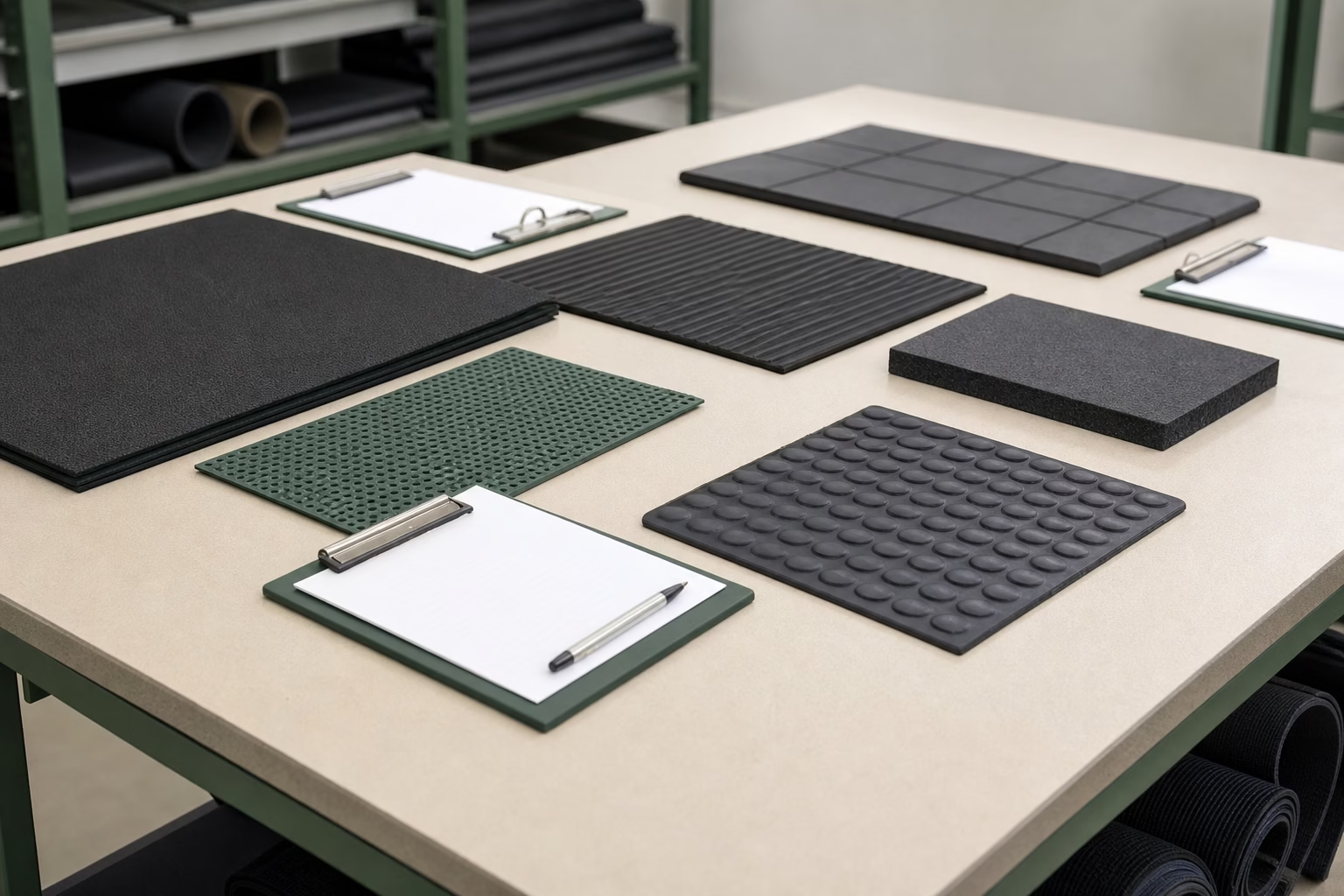
Quality control for tool mat production covers incoming materials and the key stages that affect the finished specification. Inspection may include:
For printed projects, Ninghow Mats uses colorimeters with a Delta E <1.5 color-control target. Final visual results still depend on the artwork, material, printing route and confirmed project requirements.
Material condition and preparation.
Overall dimensions and thickness.
Surface appearance.
Printing and color consistency.
Cutting and custom shape.
Edge stitching where specified.
Lamination within layered constructions.
Finished-product appearance.
Packaging against the confirmed requirement.
Prepare Your Tool Mat Quotation Brief
A complete enquiry allows our team to evaluate materials, structure, production method, sampling and commercial terms more efficiently. Include the following information:
If the material has not been selected, describe the required grip, flexibility, cushioning, support, stability and cost priorities. We can review the available material families against the complete product brief.
Intended use, workspace and operating context.
Required mat type, including any magnetic construction requirement.
Length, width, thickness and shape.
Preferred material or required function.
Surface, base and layered-structure requirements.
Edge treatment and finishing details.
Artwork, logo or printed work-zone files.
Required quantity.
Private-label, retail or shipping-packaging needs.
Custom Tool and Work Mat FAQ
Provide the intended use, dimensions, thickness, shape, preferred material or required function, surface and base needs, edge treatment, artwork, quantity and packaging requirements. Identify any magnetic construction requirement separately because it does not apply to every tool mat.
Ninghow Mats supports natural rubber, PORON or microcellular PU foam, silicone, EVA foam and PVC anti-slip materials. The suitable option depends on the required grip, softness, support, flexibility, surface stability, structure and project cost.
Yes. We support custom size, thickness and shape development, as well as digital printing, heat transfer, laser cutting, die cutting, custom shaping and computerized edge stitching. The final production route is selected according to the confirmed design and material structure.
A magnetic tool mat is developed for a specification that requires magnetic construction. A workbench mat is planned mainly around bench coverage, maintenance, assembly or surface-protection needs. A workbench design may be developed without a magnetic element.
Specifications, materials and artwork must be confirmed before sample development begins. Sample development typically takes 3–5 days. Bulk production typically takes 12–18 days after sample approval and order confirmation, with final timing based on the product specification, quantity and customization requirements. Order quantity is confirmed according to the product, material, size and customization involved.
Inspection can cover incoming materials, dimensions, thickness, appearance, printing, color consistency, cutting, edge stitching, lamination, finished products and packaging. The applicable checks are matched to the confirmed mat construction and order requirements.
Send Your Tool Mat Requirements for Review
Share your drawing, dimensions, intended task, material preferences, artwork, quantity and packaging needs. Ninghow Mats will review the specification and identify the appropriate sample and production route.