Choose the Right Material for a Custom Mat Project
Ninghow Mats is Ninghow’s specialized custom mat division. We support product developers, brand teams and procurement buyers choosing natural rubber, PORON and microcellular PU foam, silicone, EVA foam and PVC for custom mat applications.
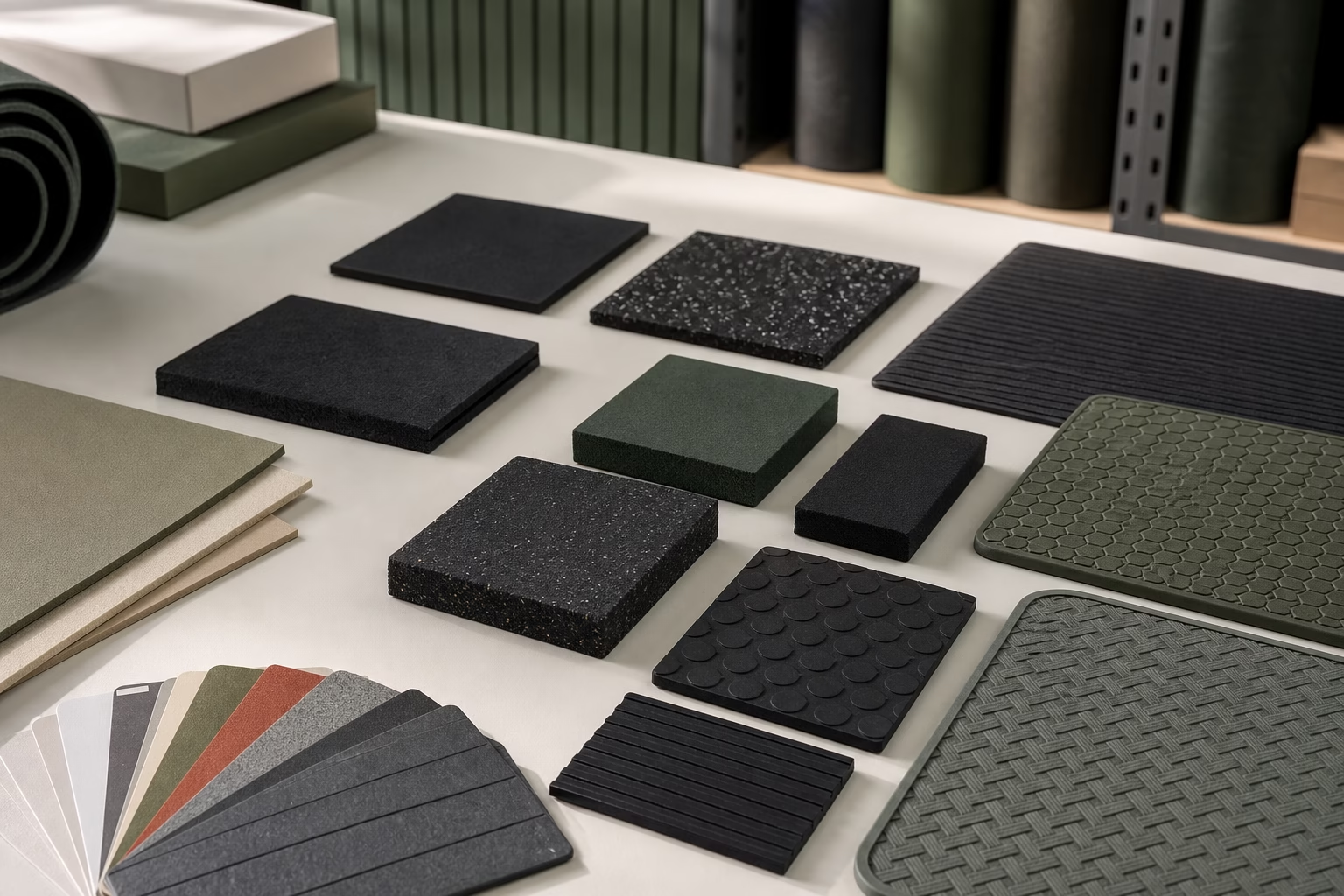
Compare Mat Materials by Their Main Functional Role
Five practical criteria provide a useful starting point for material selection:
Grip
Is the ability of the mat or base to limit unwanted movement on the intended contact surface.
Cushioning
Is the soft response of a material when pressure is applied.
Support
Is the way a material or structure holds the user, product or working area.
Flexibility
Is the ability of a material to bend and adapt to the planned mat construction.
Surface Stability
Is the ability of the mat structure to provide a controlled working or contact surface.
Verified general role: Anti-slip, cushioning and support
When to consider it first: When grip, a supportive base or cushioning is central to the project
What requires sample review: Grip behaviour, cushioning feel and fit with the complete construction
PORON
Verified general role: Controlled softness, support and surface stability
When to consider it first: When a controlled foam structure is needed for support or stability
What requires sample review: Support feel, surface response and compatibility with other layers
Microcellular PU Foam
Verified general role: Controlled softness, support and surface stability
When to consider it first: When a foam-based route may suit the required structure
What requires sample review: Softness, support and behaviour within the planned mat
Verified general role: Flexibility and anti-slip use
When to consider it first: When a flexible structure or anti-slip role is important
What requires sample review: Flexibility, grip in the intended setting and structural fit
EVA Foam
Verified general role: Lightweight and cost-oriented applications
When to consider it first: When a lightweight or cost-oriented route is a project priority
What requires sample review: Feel, structural role and suitability for the intended application
PVC
Verified general role: Lightweight and cost-oriented applications
When to consider it first: When evaluating general-purpose, consumer or promotional material routes
What requires sample review: Flexibility, structural fit and comparison with other shortlisted materials
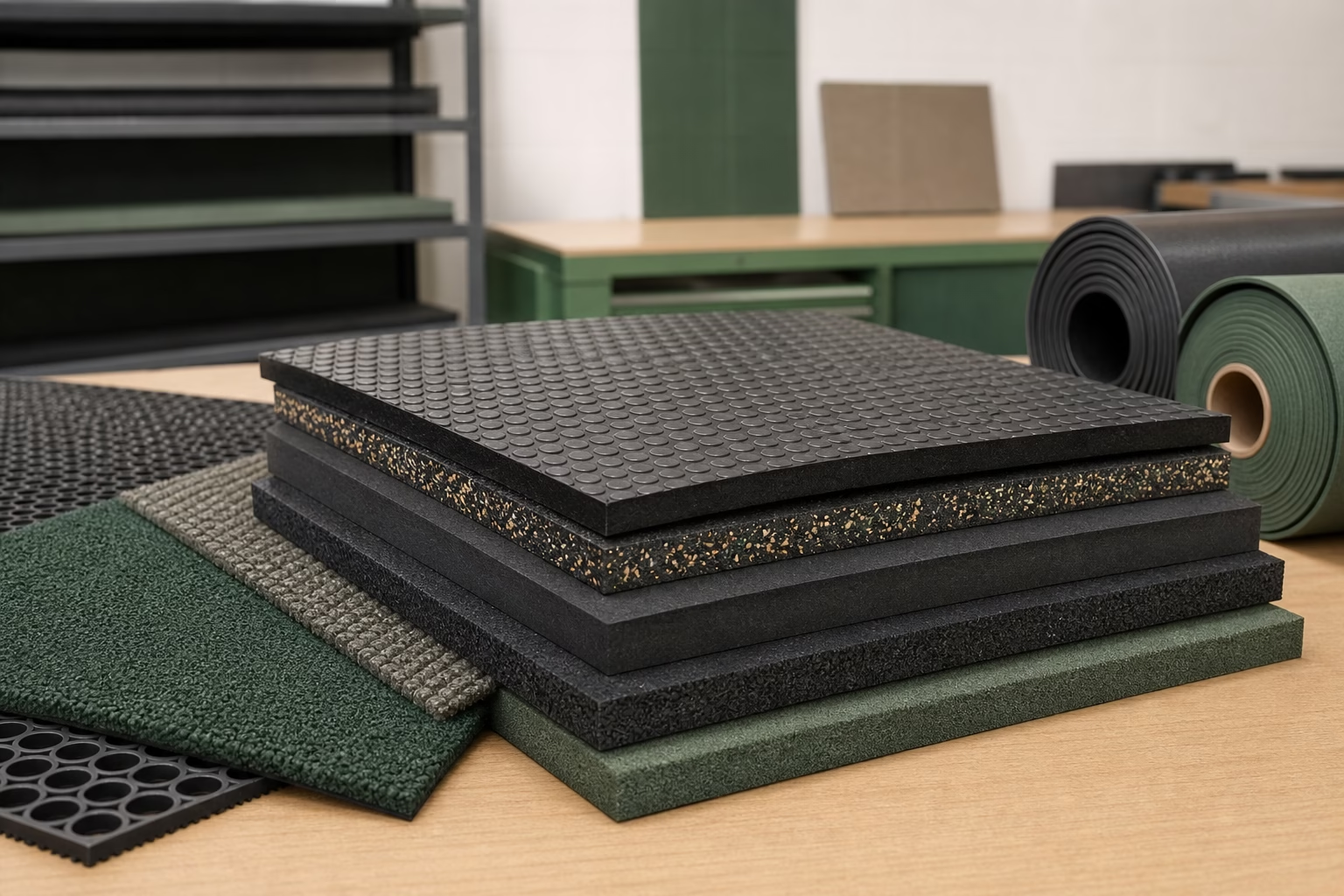
Consider Natural Rubber When Grip and Base Support Matter
Natural rubber is a logical starting point when the mat requires an anti-slip base, cushioning or support. Ninghow Mats supports natural rubber bases in custom mat constructions for these functions.
This material route can be considered for mouse pads, gaming mats, desk mats and other application-specific products where the base influences contact with the supporting surface. Its role may be to limit unwanted movement, contribute cushioning or provide support below another surface material.
Material choice should not be based on the name alone. A natural rubber sample should be reviewed in the intended setting because the complete mat structure affects how the base feels and behaves. Claims about hardness, lifespan, resistance or environmental performance require project-specific evidence and should not be assumed from the material category.
For product-specific information, review the custom natural rubber mat route .
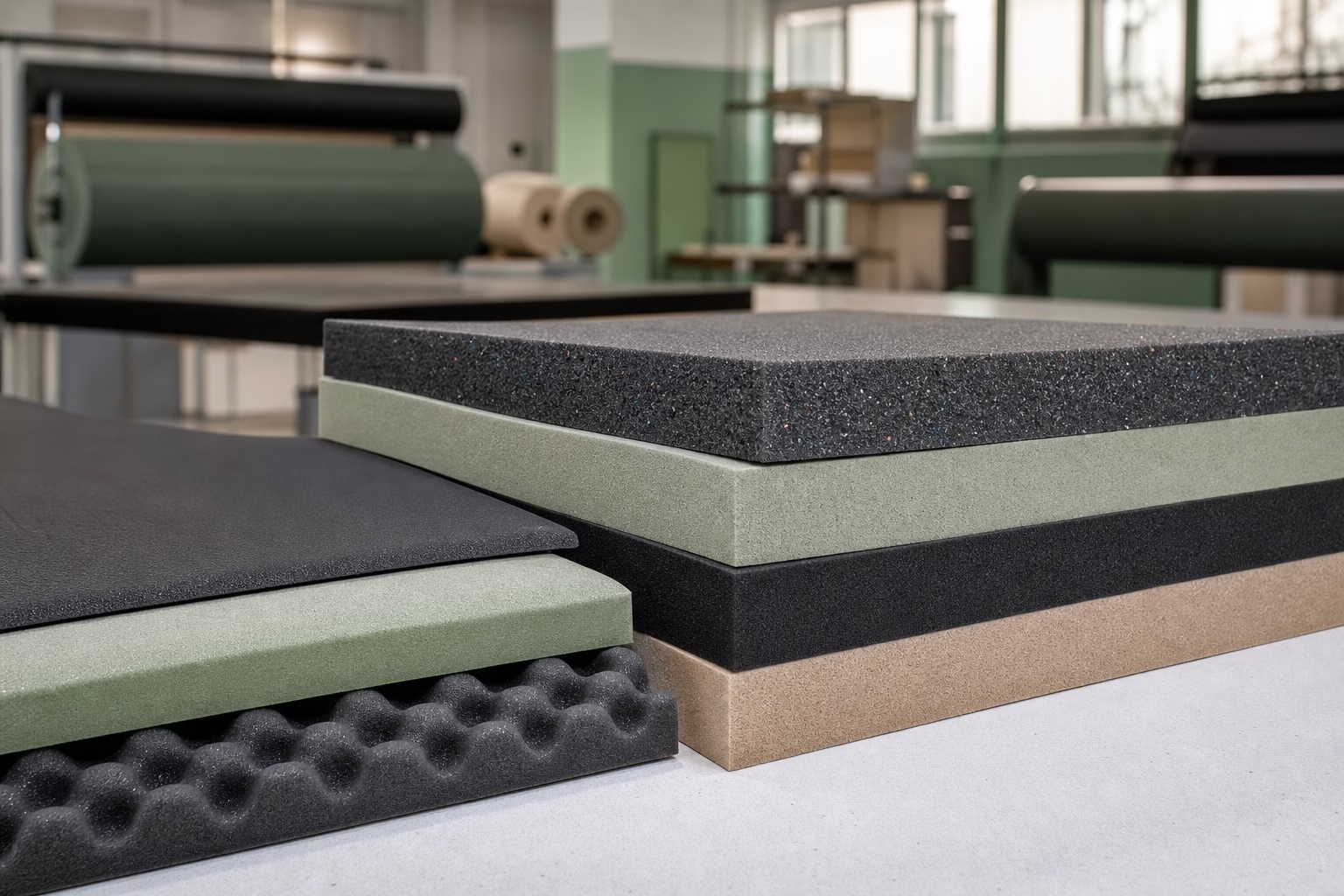
Use PORON or Microcellular PU Foam for Controlled Support
PORON and microcellular PU foam are supported material routes for controlled softness, support and surface stability. They may be relevant when the buyer needs a foam structure rather than a material chosen mainly for flexibility or anti-slip behaviour.
A foam layer can contribute to the way a mat responds under pressure and supports the surface above it. This makes PORON or microcellular PU foam worth considering for ergonomic mats, wrist-support products and other structures where the support response is a central design concern.
PORON and microcellular PU foam should not be treated as identical materials. Their suitability depends on the proposed structure and application. Samples allow the development team to compare the available routes without relying on unsupported assumptions about equivalence or numerical performance.
After narrowing the foam route, see custom PORON and PU foam mats for product development context.
Choose Silicone for Flexible, Anti-Slip Mat Structures
Silicone is a possible material route when a mat needs flexibility, anti-slip use or both. Ninghow Mats supports silicone mats for ergonomic, consumer, commercial and specialized applications.
Silicone differs from a natural rubber base in its general selection role. Natural rubber is considered for anti-slip performance together with cushioning and support, while silicone is considered for a flexible anti-slip structure. The better route depends on what the material must do within the finished mat.
Final suitability should be confirmed through the intended construction and end use. Food-contact status, heat resistance, chemical resistance and safety performance cannot be assumed without specific supporting documentation.
Explore the custom silicone mat route when flexibility is central to the project brief.
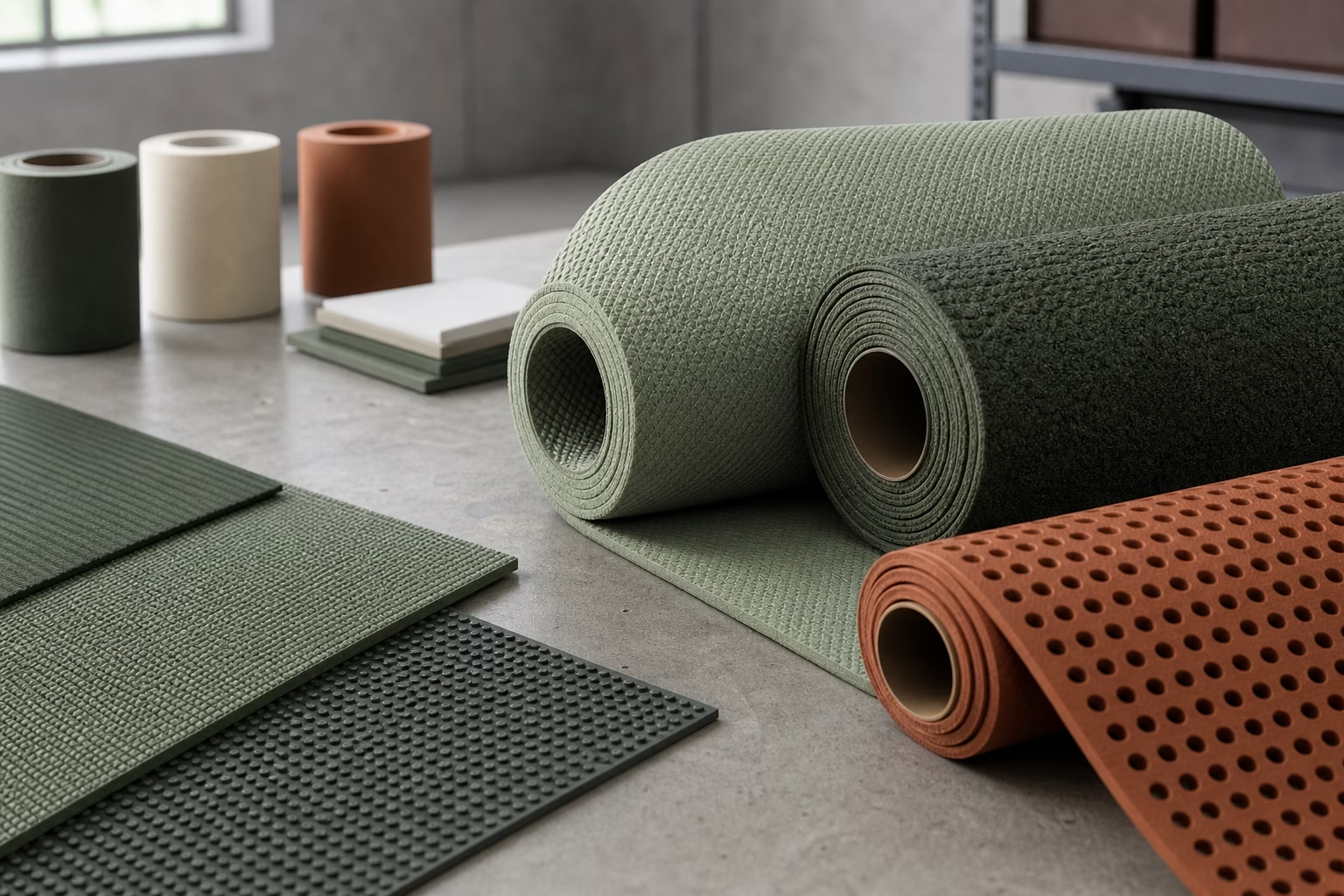
Shortlist EVA Foam or PVC for Lightweight, Cost-Oriented Projects
EVA foam and PVC enter the comparison when a project prioritizes a lightweight or cost-oriented material route. Ninghow Mats supports these materials for promotional, consumer and general-purpose applications.
EVA foam and PVC are separate materials, not interchangeable labels. Either may provide a useful starting point, but the final choice depends on the required structure and product use. A buyer should compare samples rather than assume that both options will provide the same feel, flexibility or surface behaviour.
These materials can be relevant for promotional mats and other programs where product positioning and material efficiency guide the initial shortlist. Detailed claims about density, wear, recyclability or relative price require project-specific information and are not determined by the material name alone.
Review custom EVA foam and PVC mats after deciding that this material branch fits the project priorities.
Decide What Role the Material Plays in the Mat Structure
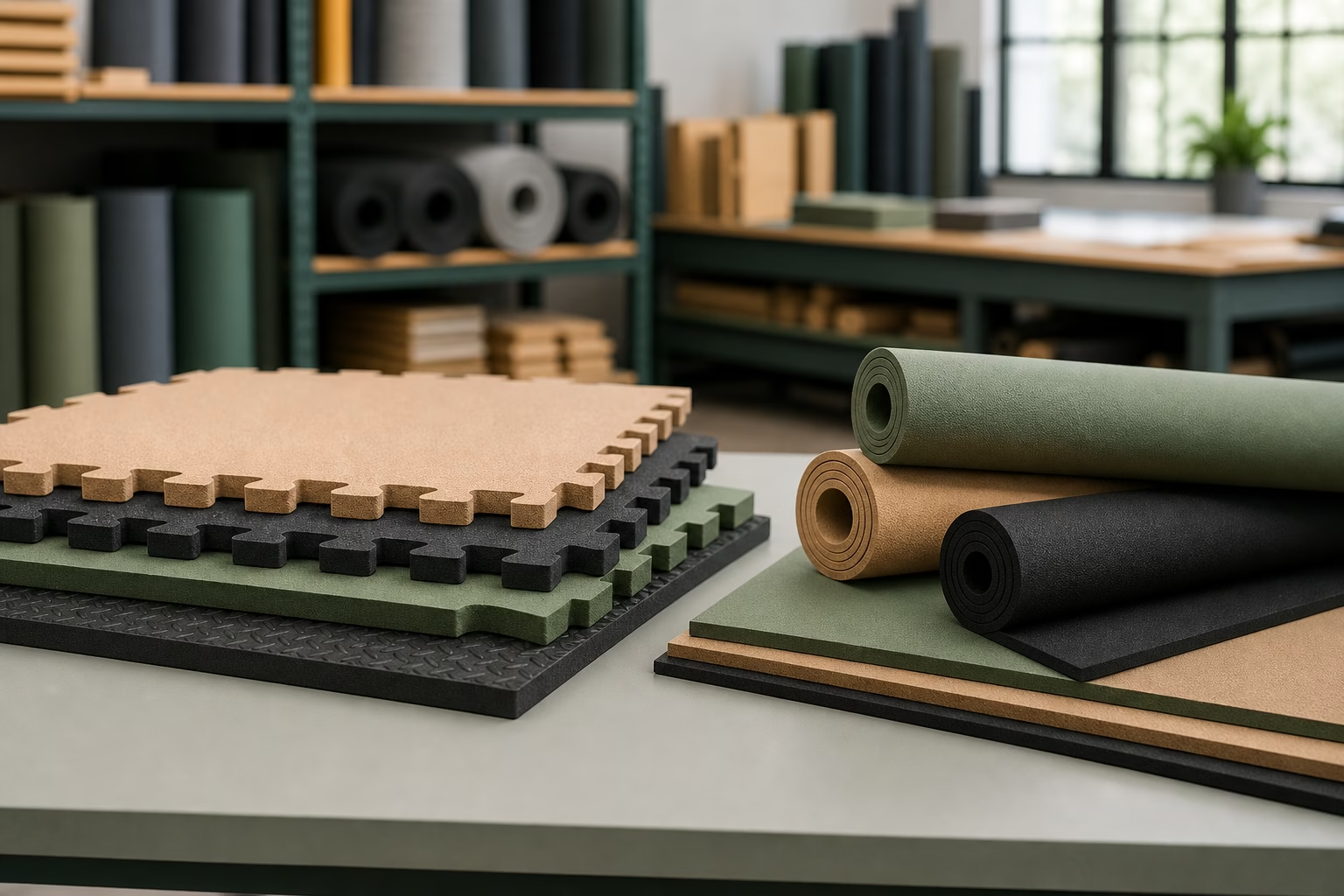
A custom mat does not always use one material throughout. Material selection may concern the visible surface, a supportive layer, the base or a combined structure.
Surface Material
The layer that forms the main contact or working area.
Supportive Layer
A layer selected to contribute softness, cushioning, support or stability.
Base Material
The layer that contacts the desk, counter, bench or other supporting surface.
Combined Structure
Two or more material roles brought together in one mat construction.
Match the Material Shortlist to the Mat Application
Ninghow Mats supports product developers selecting material structures for mouse pads, desk mats, yoga and fitness mats, tool and work mats, commercial mats, promotional mats and application-specific mats. The application identifies the conditions that the material must address; it does not automatically determine one correct material.
Relevant material question: Does the structure require an anti-slip, cushioned or supportive base?
Possible starting route: Consider natural rubber; compare foam structures when controlled softness, support or stability is important
Relevant material question: Is the main need controlled support, flexibility or anti-slip behaviour?
Possible starting route: Compare PORON, microcellular PU foam and silicone according to the required role
Relevant material question: Which combination of grip, cushioning, support and flexibility is required for the intended use?
Possible starting route: Shortlist by the primary function, then validate the complete structure through samples
Relevant material question: Must the mat support a stable working surface, limit movement or protect the contact area?
Possible starting route: Consider natural rubber or a supported foam structure where their verified roles match the brief
Relevant material question: Is flexibility, anti-slip use or a lightweight route the main concern?
Possible starting route: Compare silicone with EVA foam or PVC according to the intended structure
Relevant material question: Does the program prioritise a lightweight or cost-oriented construction?
Possible starting route: Consider EVA foam and PVC as separate sample routes
Relevant material question: Which layer must provide grip, cushioning, support, flexibility or stability?
Possible starting route: Build a shortlist around the required layer roles rather than choosing by material name alone
Validate Material Behaviour with Physical Samples
A material sample turns a general shortlist into a product-specific decision. Review it in conditions that reflect the planned use rather than evaluating appearance alone.
Grip Behaviour
Check how the proposed base or material interacts with the intended supporting surface.
Compare the feel under the expected form of contact or pressure.
Flexibility
Review how the material bends and fits the proposed structural role.
Surface Stability
Check whether the sample provides the required response for the working or contact area.
Layer Compatibility
When more than one material is planned, review the layers as a combined construction.
Physical Consistency
Confirm relevant characteristics such as material condition, thickness, dimensions, appearance and lamination.
Our production quality controls cover incoming materials, dimensions, thickness, appearance and lamination, among other checkpoints. These controls manage production characteristics, but they do not replace buyer validation of functional fit in the intended application.
Return to the custom mat resource hub when you are ready to continue from material selection to specification and sourcing planning.
Custom Mat Material Selection Questions
Natural rubber is a strong starting point when the project needs an anti-slip base together with cushioning or support. Silicone is another possible route when flexibility and anti-slip use are both important. The contact surface and complete mat structure should be checked through samples before final selection.
Natural rubber is used in mat bases for anti-slip, cushioning and support. PORON and microcellular PU foam are used in structures requiring controlled softness, support and surface stability. The choice depends on whether the project is focused on the base, the supportive layer or a combined construction.
Silicone is worth considering when the mat requires a flexible, anti-slip structure. Supported application areas include ergonomic, consumer, commercial and specialized mats. Other properties, such as heat or chemical resistance, require separate project evidence and should not be assumed.
Compare EVA foam and PVC when the project calls for a lightweight or cost-oriented route for promotional, consumer or general-purpose use. They should be sampled as separate materials because their suitability depends on the intended product structure.
Yes. A mat may combine a surface, a supportive layer and a base rather than use one material throughout. Ninghow Mats supports material matching and lamination, so the material decision can be based on the function of each layer.
Review grip in the intended setting, cushioning or support feel, flexibility, surface stability and compatibility with other planned layers. Relevant physical characteristics such as material condition, dimensions, thickness, appearance and lamination should also be checked.
Compare Materials Before Finalising the Mat Structure
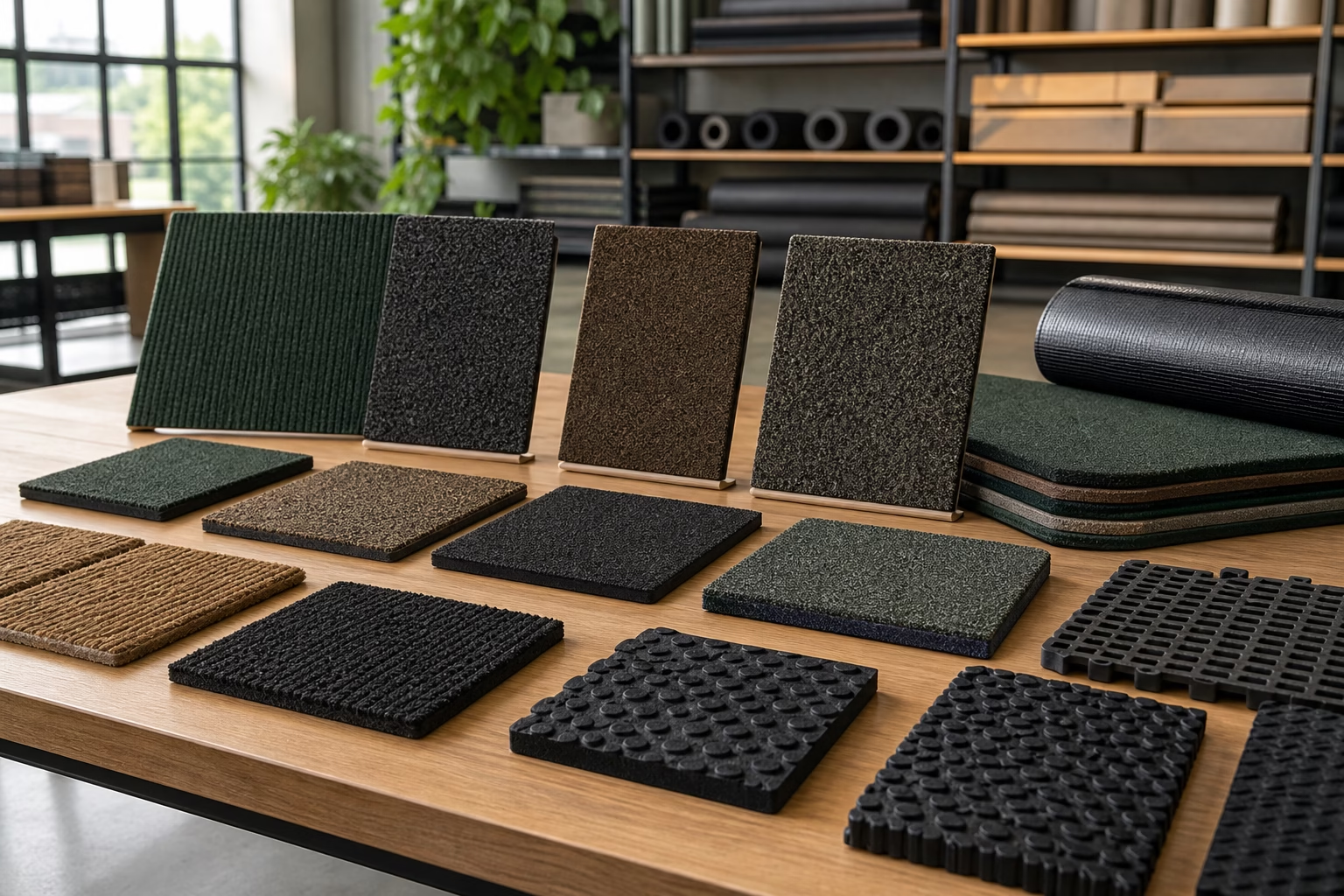
Send us the intended application and the main requirement for grip, cushioning, support, flexibility or surface stability. We can help identify suitable supported material routes for physical comparison.
Start Your Project
Discuss Your Custom Mat Product Requirements
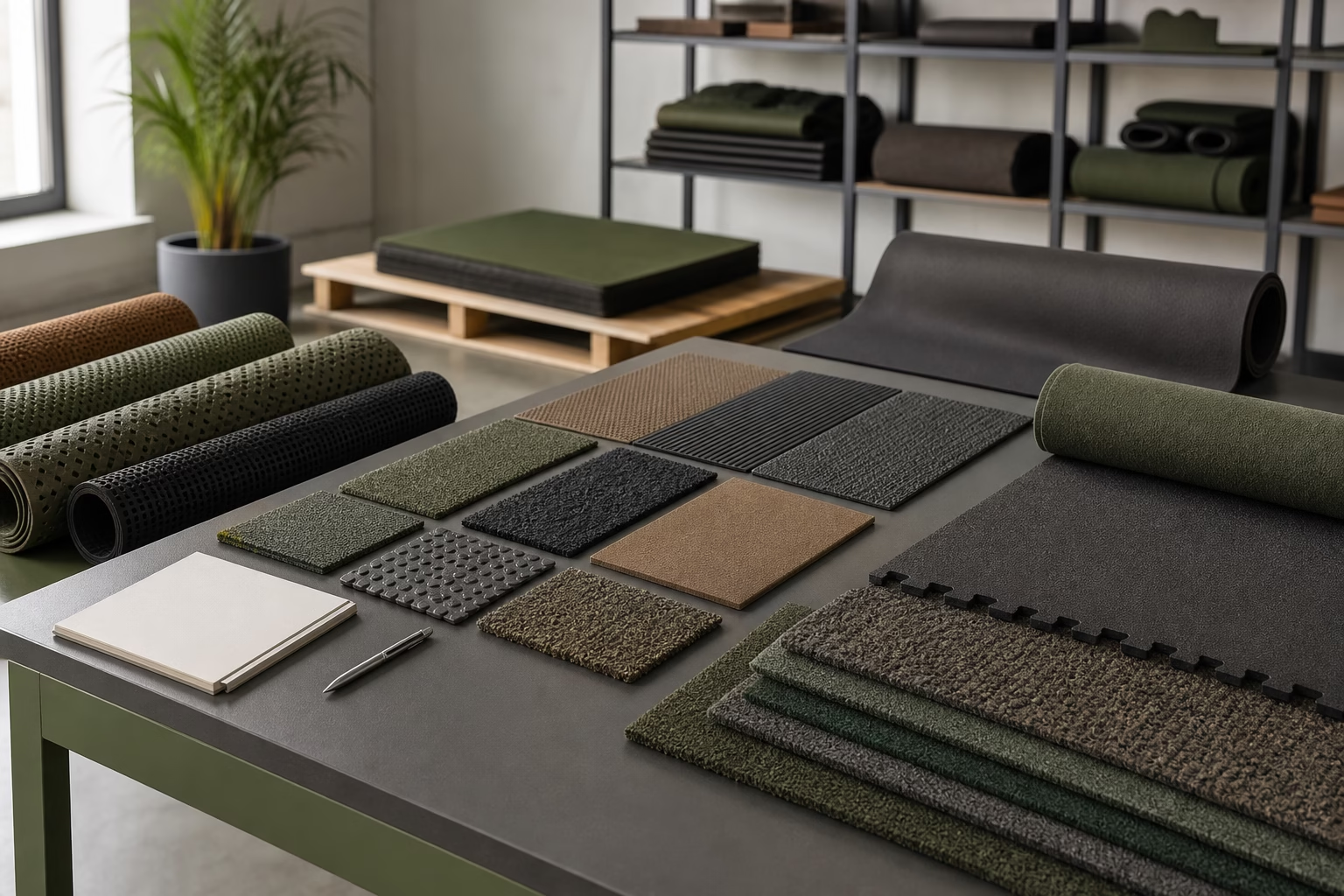
Share your product concept, drawing, reference sample, target quantity, branding and packaging requirements. The NINGHOW MATS team will review feasibility and prepare the next project step.